New - 3 Hours Ago
$1,125,000
Active
5
Beds
4
Baths
2857
Sqft
0.26
Acres
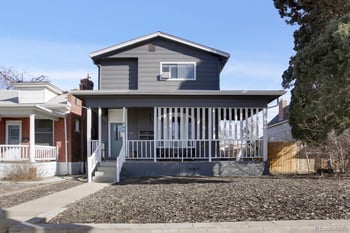
3701 S Peach Way, Denver, CO 80237
MLS#: RECIR1070057
.jpg)


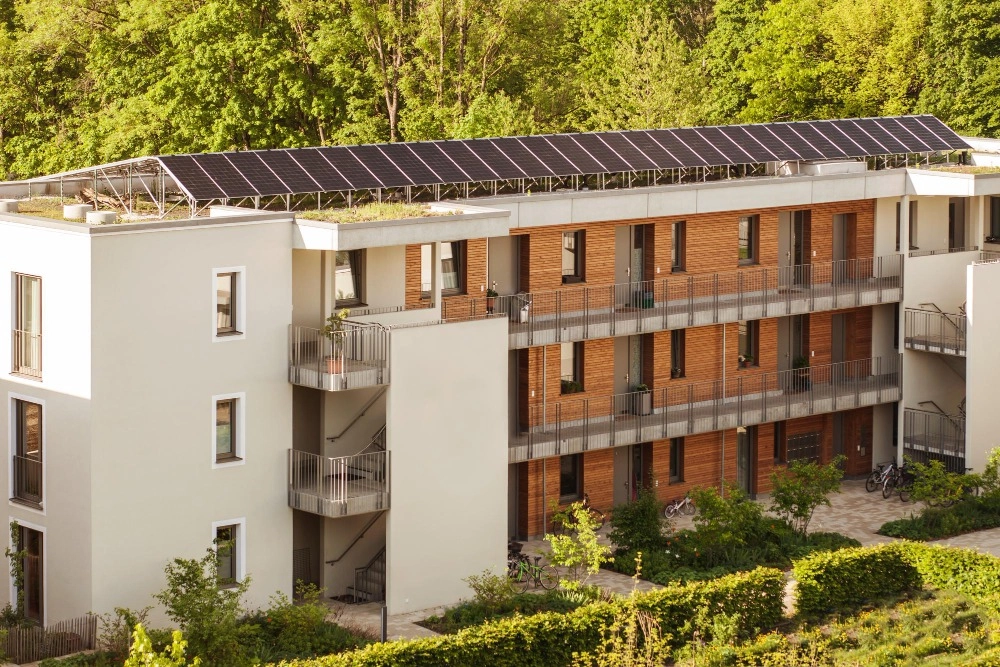
Solar on a multifamily property is a different calculation than solar on a single-family home. A Denver-metro apartment building or duplex owner is weighing common-area power costs, tenant-metered units, roof access on a much larger structure, and how an investor or appraiser will treat the system at resale. Here is how the numbers and the process differ from a homeowner's solar decision.
Denver's roughly 300 days of sunshine a year and the extra UV intensity at 5,280 feet apply to a commercial or multifamily roof the same way they apply to a single-family one, and a larger roof footprint means a larger, more efficient system per dollar spent in most cases. An owner covering common-area electricity, laundry room power, or a shared HVAC system can offset a real operating expense that otherwise eats into net operating income every month.
A system sized to cover common-area electricity, lighting, elevators and shared amenities is the simplest multifamily solar project, since the owner both installs and directly benefits from the savings. A system meant to offset individually metered tenant units is more complex, since Colorado utility rules govern how solar credits get allocated across multiple meters on one property, and not every configuration is straightforward under current interconnection rules. Talk to a commercial solar installer who has done multifamily work in the Denver metro specifically, not just single-family residential jobs.
Xcel Energy's community solar program lets a customer, including a renter or a small property owner without suitable roof space, subscribe to a share of a larger solar array elsewhere and receive a bill credit rather than installing panels on their own building. For an apartment owner with a shaded or structurally unsuitable roof, or with tenants on individual utility accounts, a community solar subscription is worth comparing against an on-site installation.
Common-area solar reduces a fixed monthly cost the same way any efficiency upgrade does, and lower operating expenses directly raise net operating income, which is the number investors and appraisers use to value income property. On a multifamily property valued using a capitalization rate, even a modest reduction in operating expenses can raise the building's value more than the same dollar amount would raise a single-family home's price, since the multifamily valuation runs through NOI rather than pure comparable sales.
A townhome or condo association governed by an HOA reviews exterior changes including a roof-mounted solar array, and Colorado's solar-access law limits how far that review can go in restricting the installation. A property inside a metro district has separate considerations around shared infrastructure and assessments, so check with the district and any HOA before committing to a system design, especially for a shared or sloped roof serving multiple units.
Denver, Aurora, Lakewood, Littleton, Centennial, Colorado Springs and Fort Collins all require a commercial or multifamily solar permit that is a more involved review than a single-family residential permit, including structural engineering sign-off in most cases for a larger array on an older building. Budget more time for permitting on a multifamily project than you would for a single-family home, and confirm your installer has commercial permitting experience in your specific city.
Yes, and the stakes are higher. A racking system spread across a large flat or low-slope apartment roof has to meet the same county snow-load standard as a residential roof, but the consequences of an under-engineered system are more serious given the number of units and people below it. Insist on a stamped engineering review for any multifamily array, not just a standard residential mounting calculation.
Commercial and multifamily solar pricing runs lower per watt than residential, commonly in the $1.80 to $2.60 per watt range before incentives, because of the larger system size, though the total project cost is higher given the roof area involved. Get a detailed proposal that separates equipment, labor, permitting, and any roof reinforcement work required for an older building.
A buyer evaluating an income property looks at trailing operating expenses and NOI, and a documented reduction in common-area electricity costs from solar shows up directly in that analysis rather than as a vague amenity. Keep utility bills from before and after installation, along with the system's maintenance and warranty records, so a buyer's lender and appraiser can verify the savings independently during due diligence.
Confirm whether the existing system is owned outright, financed, or under a power purchase agreement, since each transfers differently at closing and affects how the income stream is underwritten. Ask for two to three years of production data and utility bills, review the original permit and any structural engineering documents, and confirm the warranty is transferable to a new owner before finalizing your offer.
A lower fixed operating expense from common-area solar directly raises NOI, and since a multifamily property's value equals NOI divided by the market cap rate, that same dollar of expense reduction has a multiplied effect on the property's overall valuation compared with a single-family home priced off comparable sales alone. An investor running the numbers on a Front Range duplex, fourplex or larger apartment building should model the solar savings into the NOI line directly rather than treating it as a soft amenity.
Tenants weigh total monthly cost, and a building that keeps common-area and shared utility costs down through solar can support steadier occupancy and fewer disputes over shared utility billing in properties where those costs get split among units. For a fully tenant-metered building, the owner sees less direct benefit from solar unless the property structure supports allocating credits to individual units under current Xcel rules, which is why talking with a commercial installer about your specific metering setup matters before committing to a design.
Commercial property owners draw on a combination of cash reserves, a commercial loan, or financing folded into an acquisition or refinance loan on the building itself. Terms differ significantly from residential solar financing, so work with a lender experienced in Colorado commercial and multifamily properties. Mike Oswald at Rate (NMLS 261003, Equal Housing Lender) works with Colorado property owners on financing options, and you are free to use any lender you choose.
If you are evaluating a multifamily property with solar already installed, or want to know how a solar upgrade affects the numbers on a Front Range rental property, the Kenna Real Estate Group can walk the deal through with you. Call or text 303-955-4220. A live person answers. Not a robot, not a phone tree. Start with search every home for sale in Colorado.
Questions about any home in Colorado? Call or text 303-955-4220. A live person answers.
Yes for the right property. Colorado's sun and altitude UV apply to a commercial roof the same way they do a house, and offsetting common-area electricity or shared HVAC costs directly raises net operating income.
Common-area solar covers lighting, elevators and shared amenities and is the simplest project, since the owner installs and benefits directly. Offsetting individually metered tenant units is more complex under Colorado utility interconnection rules.
It lets a customer, including a renter or an owner with an unsuitable roof, subscribe to a share of a larger off-site solar array and receive a bill credit instead of installing panels on their own building.
Lower operating expenses raise net operating income, which is the figure investors and appraisers use to value income property through a capitalization rate. Even a modest reduction in electricity costs can move the valuation.
An HOA reviews exterior changes to a shared roof under Colorado's solar-access law, which limits how far it can restrict the system. A metro district has separate considerations around shared infrastructure and assessments.
A commercial or multifamily solar permit, which is a more involved review than a single-family permit and requires structural engineering sign-off in most cases, especially on an older building.
Commercial pricing commonly runs $1.80 to $2.60 per watt before incentives, lower per watt than residential because of the larger system size, though total project cost is higher given the roof area involved.
Confirm whether the system is owned, financed, or under a power purchase agreement, request production data and utility bills, and review the original permit and structural engineering documents before finalizing an offer.