New - 16 Hours Ago
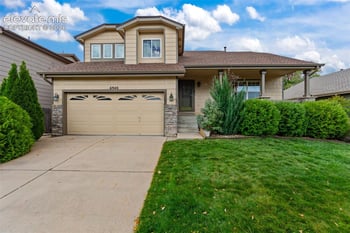
$450,000
Active
3
Beds
4
Baths
2239
Sqft
0.1378
Acres
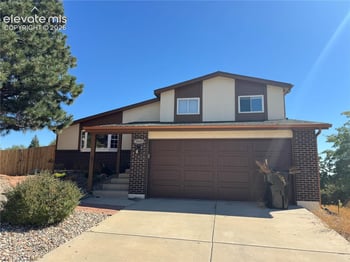
6940 Blazing Trail Dr, Colorado Springs, CO 80922
MLS#: 2193675
.jpg)


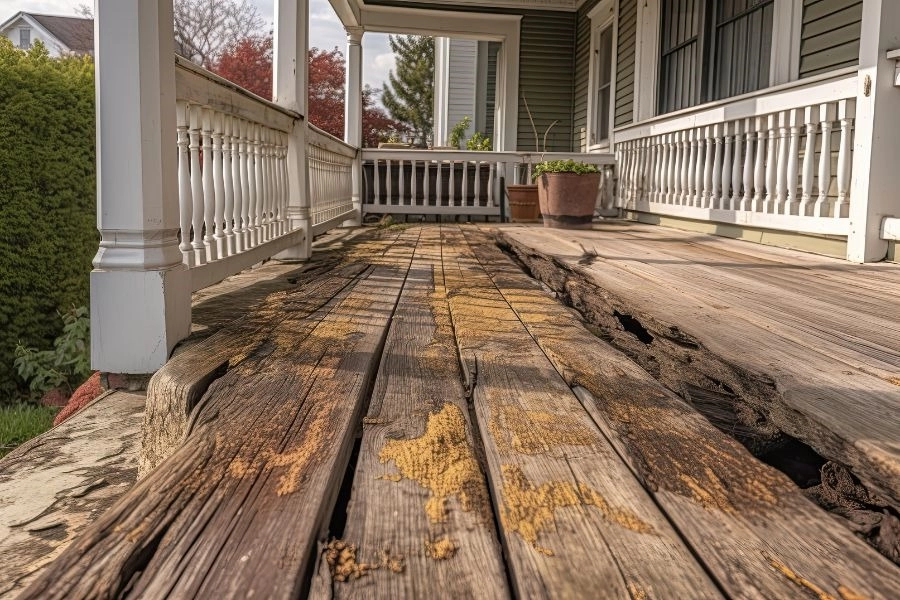
The structural upgrades that matter most for a Colorado wooden porch are secure railings and balusters, a fresh weatherproof seal or stain, and framing checked for freeze-thaw and hail damage every year. Front Range weather is harder on exposed wood than most climates, intense UV at altitude, hail from spring through September, and repeated freeze-thaw cycles all winter, so a porch built for a milder state needs closer attention here.
Start with the three items that affect both structure and daily use: railings and balusters anchored to code-compliant posts, a deck or floor board inspection for rot and warping, and a weatherproof sealant reapplied on a Colorado schedule rather than a generic national one. A porch that looks fine from the yard can still have a loose post or a cracked board underneath, so a yearly walk-through with a screwdriver test on the wood catches problems before a board gives way.
Yes. Hail season on the Front Range runs from spring through September, and large hail dents railings, chips paint and stain, and can crack thinner porch boards and trim. A hail-resistant roof over a covered porch protects the structure underneath, and touching up dents and chipped finish right after a storm keeps water from working into the exposed wood grain.
Colorado's UV exposure runs roughly 25% stronger at altitude than at sea level, and the state's low humidity pulls moisture out of exposed wood faster than a wetter climate would. That combination fades stain, dries out sealant and causes splitting and checking on a wood porch faster than the product label's national estimate suggests, which is why a Front Range porch needs resealing on a shorter cycle than the can recommends.
Structural work, new footings, a rebuilt frame, or a porch addition, needs a building permit from Denver, Aurora, Colorado Springs or your county. Replacing existing railings and balusters in the same location with the same design is commonly treated as a repair rather than new construction, but confirm the distinction with your local building department before starting, since the line between repair and structural work varies by jurisdiction.
Colorado jurisdictions follow the International Residential Code baseline, which sets a minimum guard height of 36 inches for a porch or deck more than 30 inches above grade, with baluster spacing that keeps a 4-inch sphere from passing through. Confirm the exact requirement with your city or county building department, since some Front Range jurisdictions adopt amendments to the base code.
Plan on resealing an exposed Colorado wood porch every 1 to 2 years, and a covered porch every 2 to 3 years, both shorter intervals than the product label's default recommendation because of the state's UV and dryness. Clean the boards and check for graying or water absorption each spring, right after the winter freeze-thaw cycle ends, to catch wear before the next hail season starts.
Yes. Water that gets into a crack, a fastener hole or an unsealed board expands when it freezes overnight and contracts the next day, and repeated freeze-thaw cycles through a Front Range winter widen small cracks into structural gaps over a few seasons. Sealing exposed end grain and fastener holes before winter is one of the cheapest ways to slow this damage.
Homes in Colorado's wildland-urban interface, common in the foothills west of Denver, Boulder and Colorado Springs, face defensible-space rules that can require non-combustible materials on or near a porch attached to the home. Check with your county planning office if your lot sits inside a wildfire overlay before rebuilding a wood porch in one of these zones; some jurisdictions call for composite or fire-rated decking on the first several feet nearest the house.
A railing and baluster replacement on an existing porch commonly runs a few thousand dollars depending on length and material, while a full deck board replacement or porch rebuild runs higher based on square footage and wood species. Get written estimates from a licensed Front Range contractor before committing, since material and labor costs shift with lumber prices and the season.
Many Denver-metro HOAs, including communities in Highlands Ranch, Castle Rock and Lone Tree, require architectural review approval before you change a porch railing's style, material or exterior color. Pull your HOA's design guidelines before ordering railing material, since a mismatched upgrade can mean a required redo.
Cedar and redwood resist rot and insects naturally and are common choices for Front Range porches, while pressure-treated pine costs less but needs more frequent sealing to handle the state's UV and dry-air stress. Whichever species you choose, a quality sealant applied on a Colorado-appropriate schedule matters more to longevity than the wood species alone.
Composite decking resists UV fading, moisture and insect damage better than natural wood and needs no staining, which makes it a lower-maintenance option for a Colorado porch floor, though it costs more upfront and some buyers still prefer the look of real wood. Railings and structural framing stay wood or metal on most composite-deck porches, so this is mainly a floor-board decision.
A well-maintained, structurally sound porch is one of the first things a Front Range buyer sees walking up to a showing, and a sagging railing or peeling finish undercuts a buyer's first impression before they're through the door. See which exterior upgrades add value before you sell a Colorado home to weigh a porch rebuild against other pre-listing projects.
Magnesium chloride, used on Front Range roads and driveways through winter, splashes onto nearby wood and metal and speeds up corrosion on fasteners and staining on lower boards. Rinse a street-facing porch's lower rails and posts after a mag chloride application when you can, and check fasteners for rust each spring.
Clear snow load off a covered porch roof after a heavy storm, check railings and posts for movement each fall before the freeze-thaw season starts, and reseal any exposed end grain before the first hard freeze. See the full Colorado weatherproofing checklist for the rest of the home's exterior.
Whether you're rebuilding a porch for your own use or getting a Front Range home ready to list, the Kenna Real Estate Group can tell you which exterior upgrades matter most to buyers in your specific neighborhood. Call or text 303-955-4220. A live person answers. Not a robot, not a phone tree. Or search every home for sale in Colorado to see what well-maintained Front Range porches are worth right now.
Questions about any home in Colorado? Call or text 303-955-4220. A live person answers.
Every 1 to 2 years for an exposed porch and every 2 to 3 years for a covered one, shorter intervals than most product labels recommend because of Colorado's UV and dry air.
The International Residential Code baseline sets a 36-inch minimum guard height for a porch or deck more than 30 inches above grade, with baluster spacing under 4 inches. Confirm with your local building department, since some jurisdictions amend the base code.
Yes, hail from spring through September can dent railings and chip paint or stain. Touch up damage soon after a storm so water doesn't work into the exposed wood.
New footings, framing or an addition need a permit. A like-for-like railing replacement is commonly treated as a repair, but confirm the line with your local building department before starting.
Composite resists UV fading and moisture better and needs no staining, though it costs more upfront. Railings and framing stay wood or metal on most composite-deck porches.
Check with your county planning office first. Homes in the wildland-urban interface near the foothills can face defensible-space rules that require non-combustible materials on or near the porch.
Yes, magnesium chloride used on Front Range roads in winter speeds up fastener corrosion and staining on nearby wood. Rinse lower rails and posts after application when you can.
A sound, well-finished porch is one of the first things a buyer sees at a showing. See a Smart Pricing Report to weigh a porch rebuild against other pre-listing projects.