.jpg)


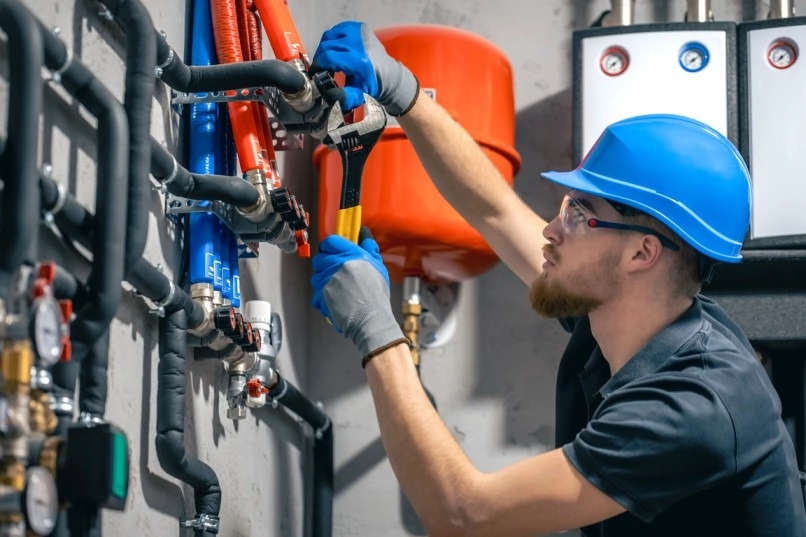
Most of the Front Range runs hard water, somewhere between moderately hard and very hard depending on the municipal supply and whether the home is on well water, and the fix is a correctly sized water softener, not guesswork. Getting the sizing and system type right the first time saves a homeowner from replacing an undersized unit within a year or overpaying for capacity a smaller household will never use.
How Hard Is Colorado Tap Water?
Water hardness varies significantly by municipal source across the Front Range. Denver Water's supply tests in the moderately hard range, while some Front Range suburbs on different water districts, and most private wells in the foothills and eastern plains, run considerably harder. Because the number varies by exact location, the first step for any Colorado homeowner is a hardness test, either a home test kit or a request to the local water utility for current hardness data, before shopping for a system.
What a Water Softener Actually Does
A water softener exchanges hard minerals, mainly calcium and magnesium, for sodium or potassium ions as water passes through a resin tank. This removes the scale-forming minerals responsible for chalky faucet buildup, cloudy dishes, and the mineral film that dries out skin and hair. Softened water also reduces the amount of soap and detergent needed to get the same cleaning result, which adds up over a year of laundry and dishwashing in a Front Range household.
Sizing a System for a Colorado Household
System capacity is measured in grains, the amount of hardness the resin tank can remove before it needs to regenerate. Sizing depends on three numbers: your water's hardness level, your household's daily water use, and the number of people in the home. A system sized too small regenerates constantly and wears out faster; one sized too large wastes salt and water on every regeneration cycle. Local water treatment dealers can calculate exact capacity once you have a hardness test result and a rough daily usage estimate, which most water utilities can also provide from your billing history.
Salt-Based vs. Salt-Free Systems
A traditional salt-based softener is the most effective option for genuinely hard Front Range water, since it physically removes the minerals rather than just altering how they behave. Salt-free systems and electronic descalers reduce scale buildup without adding sodium to the water supply, which appeals to households managing sodium intake or on a low-sodium diet, but they are less effective in the hardest water conditions found on some Colorado wells. For most municipal Front Range water, a mid-range salt-based system delivers the most noticeable results; for genuinely mild hardness, a salt-free system is enough.
Cost to Install in the Denver Metro
| System Type | Typical Installed Cost | Best For |
|---|---|---|
| Compact salt-based softener | $800 to $1,800 | Smaller homes, condos, limited utility space |
| Whole-home salt-based softener | $1,500 to $3,500 | Standard single-family homes, moderate to hard water |
| Salt-free conditioner or descaler | $600 to $2,000 | Mild hardness, low-maintenance preference |
| Combined softener plus filtration | $2,000 to $4,500 | Well water with hardness and other water quality issues |
Regeneration Cycle: Timer vs. Demand-Based
Timer-based systems regenerate on a fixed schedule regardless of actual water use, which is simpler and costs less up front. Demand-based systems regenerate only when the resin needs it, based on measured water usage, which saves salt and water over time and suits a Front Range household with variable occupancy, like a home with guests staying part of the year or a rental property with changing tenants.
HOA and Utility Considerations in Front Range Subdivisions
Some newer Front Range subdivisions with HOA or metro district rules regulate exterior equipment placement, including where a softener's brine discharge line can run, particularly in communities on a shared wastewater system. Check the HOA's architectural guidelines before installation, and confirm with your municipal utility whether there are any local restrictions on softener discharge, since a small number of Colorado municipalities limit sodium or chloride discharge into wastewater systems.
Hard Water and Home Value Before a Sale
Years of hard water buildup inside pipes, water heaters, and fixtures can show up as reduced water pressure or visible mineral staining during a home inspection, which buyers regularly flag as a negotiating point. A homeowner considering a listing in a known hard-water area should factor a working softener, or at least a clean plumbing inspection, into pre-listing prep. For sellers weighing which systems are worth fixing before going on market, a current Smart Pricing Report helps prioritize which repairs buyers actually notice.
Should You Test Water Hardness Before Buying a Home?
If you are touring homes on well water or in an area known for hard water, ask the seller or listing agent whether a water test has been done and whether a softener is already installed and included in the sale. A missing or outdated softener is a reasonable item to raise during the inspection objection period, since replacing one after closing is a predictable, quantifiable cost that can factor into negotiations.
Popular System Options
Among widely available systems, a high-performance Watermart unit offers self-cleaning operation and combined chlorine and lead filtration for homeowners wanting one system to handle both hardness and general water quality. Salt-free descalers using electromagnetic technology are a lower-maintenance option for households wanting to reduce scale without sodium. Whichever system you choose, confirm the installer includes proper piping accessories rated for your home's existing plumbing, since older Front Range homes sometimes need adapter fittings for a modern softener bypass valve. For smaller Denver condos or townhomes with limited utility closet space, a compact water softener delivers similar performance in a smaller footprint, and a full water filtration installation is worth considering alongside a softener for households also dealing with chlorine taste or sediment from an older well.
Altitude, Water Pressure, and Softener Performance
Front Range elevation and hilly terrain in communities like Golden, Morrison, and parts of unincorporated Jefferson County can mean lower baseline water pressure than a flatter Denver or Aurora lot. A softener adds a small amount of pressure drop as water passes through the resin tank, which is unnoticeable on a normal system but can compound with an already-low-pressure home. If your home already struggles with weak shower pressure on an upper floor, mention this to the installer so they can size the valve and bypass correctly rather than adding to the problem.
What a Softener Does for Dry Skin and Hair Complaints
Colorado's combination of low humidity and hard water is a common complaint among new residents adjusting to the climate. Softened water helps because it stops the mineral film that hard water leaves behind, which dries skin further on top of the state's already low ambient humidity. It will not fully solve dry skin caused by altitude and climate alone, but combined with a humidifier during heating season, most residents notice a real difference within the first few weeks.
Maintenance to Budget For
Beyond the upfront installed cost, budget for ongoing salt or potassium chloride refills, $10 to $25 per bag every few weeks depending on household size and hardness level, plus periodic resin bed cleaning every few years. A demand-based system with automatic salt-level monitoring reduces the guesswork, which is worth the modest price premium for households that would rather not check a brine tank manually.
Where to go next
- Which home updates actually add value in Colorado
- Colorado home buyers guide
- Colorado closing costs guide
- Search every home for sale in Colorado
- How to save water in Denver homes
- Why plumbing should never be an afterthought during a home inspection
Talk to the Kenna Real Estate Group
The Kenna Real Estate Group can tell you what buyers in your specific Front Range neighborhood expect on water quality and plumbing condition before you list, and help you find a home with the water quality profile you want if you are buying. Call or text 303-955-4220. A live person answers. Not a robot, not a phone tree. Ready to look at homes? Search every home for sale in Colorado.