.jpg)


Water conservation is a crucial concern across the United States, and Denver is no exception. Given the city's semi-arid climate and limited rainfall, water regulations are enforced, especially during hot and dry seasons. By adopting innovative water-saving practices, Denver residents can reduce their utility bills while helping to conserve this precious resource.
Why Water Conservation Matters in Denver
Denver's drinking water quality is consistently monitored and regulated to ensure residents' protection. The city sources its water from snowmelt in the Rocky Mountains, which is treated and purified before reaching homes. However, water quality can still be impacted by aging infrastructure and contaminants. For a detailed analysis of Denver's tap water quality, visit Water Guides.
Colorado has over a million residents, and water usage is a significant concern due to its arid climate. While Denver benefits from rivers and snowmelt as water sources, climate change is increasing the strain on these resources. The region receives only 15 inches of rainfall annually, considerably lower than the national average.
With increasing demand and limited supply, the government and residents must implement effective water-saving strategies. By making minor adjustments to daily habits and home fixtures, homeowners can significantly reduce water waste and promote sustainability.
Denver Water Restrictions and Regulations
Denver Water enforces restrictions to manage water use effectively, especially during drought or excessive heat. Key regulations include:
- Mandatory Outdoor Watering Rules: Outdoor watering is only allowed before 10 a.m. or after 6 p.m. to minimize evaporation.
- Limited Watering Days: Residential properties are typically restricted to watering lawns two to three times per week, depending on the season and drought conditions.
- Prohibition of Wasteful Watering: Sprinklers should not water sidewalks, driveways, or streets, and water runoff onto hard surfaces is discouraged.
- Repairing Leaks Promptly: Property owners must fix leaks within a specified timeframe once detected or reported.
- Restrictions on Car Washing: Washing vehicles at home must be done with a shut-off nozzle to reduce water waste, and commercial car washes must use water-efficient technology.
- Fines for Non-Compliance: Residents and businesses found violating these rules may be subject to warnings, fines, or even water service restrictions in severe cases.
Effective Ways to Reduce Water Usage
1. Upgrade to Water-Efficient Fixtures
One of the simplest ways to conserve water is by installing low-flow fixtures. Consider upgrading the following:
- Low-flow showerheads use 1.5 to 2 gallons per minute, while older models can use as much as 4 gallons per minute.
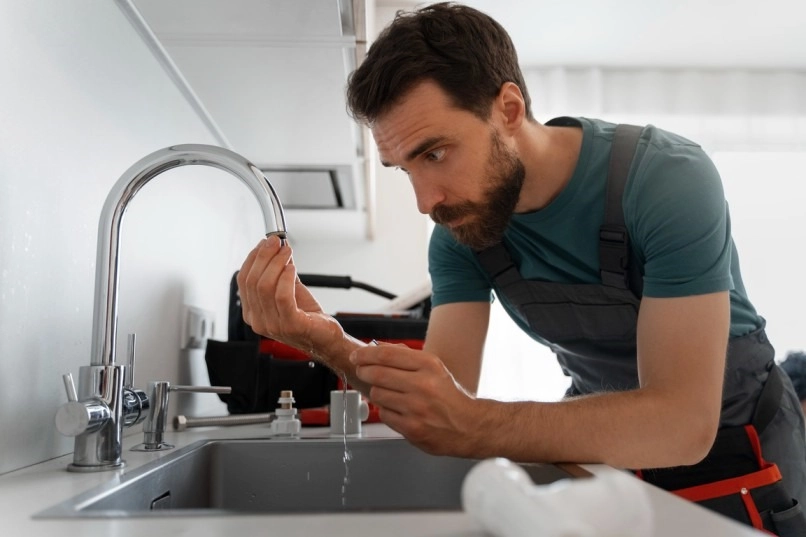
- Faucet aerators reduce water flow while maintaining pressure, leading to significant savings.
- Dual-flush toilets: Toilets account for a large portion of household water use. Modern dual-flush toilets choose a low-volume flush for liquid waste and a stronger flush for solid waste.
Ready to find your dream home in Colorado?
Let us help you. Call or Text Kenna Real Estate Group at 303-955-4220 to get personalized assistance from our expert real estate agents. Find out what your home is worth in today's market.
2. Fix Leaks Promptly
Leaks in water pipes, faucets, or toilets can waste thousands of gallons of water annually. Even small drips add up over time, leading to higher utility bills. Regularly check for leaks by:
- Monitoring your water meter for unexpected spikes in usage.
- Inspecting faucets, showerheads, and toilets for any signs of dripping or running water.
- Scheduling routine plumbing maintenance to catch hidden leaks early.
3. Reduce Shower Water Consumption
Showers account for a large portion of indoor water use. A typical showerhead uses approximately 2 gallons of water per minute, which can accumulate rapidly. To conserve water:
- Limit showers to five minutes or less.
- Turn off the water while lathering.
- Use a bucket to collect excess water while waiting for the shower to warm up and repurpose it for watering plants or cleaning.
4. Smart Lawn and Garden Watering
Denver's warm summers make lawn maintenance a challenge, but watering wisely can help conserve water:
- Water should be used early or late in the evening to minimize evaporation.
- Use drought-resistant plants and mulch to retain moisture in the soil.
- Invest in a rain sensor or drip irrigation system to optimize watering efficiency.
- Follow Denver's water restrictions, which typically limit outdoor watering to specific days and times.
5. Be Mindful of Kitchen Water Usage
Kitchen activities contribute significantly to household water consumption. Reduce waste by:
- Running the dishwasher only when it's complete.
- Scrape plates clean instead of rinsing them before loading the dishwasher.
- Using a basin to wash produce instead of letting the tap run.
- Reusing cooking water for plants instead of pouring it down the drain.
6. Practice Water-Saving Habits While Brushing Teeth
Many people leave the tap on while brushing their teeth, wasting as much as 8 gallons of water daily. A simple habit change—turning off the tap while brushing—can save thousands of gallons of water annually.
Conclusion
Water conservation is essential for both economic and environmental reasons. Denver homeowners can significantly reduce water usage and contribute to the region's sustainability by implementing small, practical changes. Installing water-efficient fixtures, repairing leaks, adjusting shower habits, and optimizing lawn watering schedules are all valuable ways to save water. As Denver faces water supply challenges, adopting responsible water habits will benefit the entire community for years.
Related Articles
- Waterfront vs. Golf Course Living: Which is Right for You? – A Comparison of Two Prime Property Options in Horseshoe Bay
- How to Prepare Your Home's Plumbing Before Listing It for Sale
- Why the SimPure T1-400 UV is the Best Under Sink RO UV Water Filter?