.jpg)


Highlands Ranch, Colorado, is one of the most recognizable master-planned communities along the Front Range—but it isn’t for everyone. For the right buyer, it offers exceptional amenities, strong resale stability, and a highly structured lifestyle. For others, the same features can feel restrictive or overwhelming. The key to buying successfully in Highlands Ranch is understanding who thrives here and who may be happier elsewhere.
This guide takes a realistic, experience-based look at what living in Highlands Ranch is actually like. We’ll cover housing costs, HOAs, commuting, trails, daily living, and long-term value—so you can decide if this community truly fits your lifestyle before you buy.
What Is Highlands Ranch, Really?
Highlands Ranch
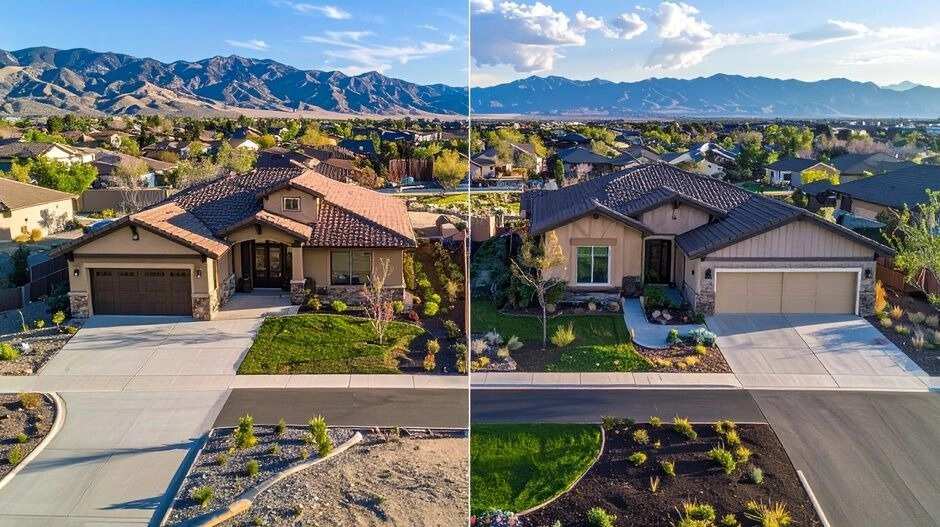
Highlands Ranch is a large, carefully planned suburban community located in Douglas County, south of Denver. Development began in the early 1980s and expanded rapidly through the 1990s and 2000s. Today, it functions like a self-contained city, with residential neighborhoods, shopping centers, medical facilities, and recreation hubs all integrated into a unified plan.
Unlike organically grown towns, Highlands Ranch was designed for efficiency, predictability, and access to amenities. That design philosophy shapes nearly every aspect of daily life here.
A Snapshot of Highlands Ranch Living (2026)
|
Category |
What to Expect |
|
Median Home Price |
$650,000–$850,000 |
|
Home Styles |
Two-story, ranch, patio homes |
|
HOA Fees |
~$50–$190/month |
|
Trails |
70+ miles, fully connected |
|
Commute to DTC |
~15–25 minutes |
|
District |
Douglas County School District |
|
Overall Feel |
Structured, active, family-focused |
Who Highlands Ranch Is a Great Fit For
Buyers Who Want Structure and Amenities
Highlands Ranch is especially well-suited for buyers who value organized neighborhoods and built-in amenities. Recreation centers, playgrounds, sports fields, and trails are distributed throughout the community, making it easy to stay active without long drives.
Many residents appreciate the predictability—activities and social circles are tightly woven into neighborhood life. If you like knowing what to expect and having resources close by, Highlands Ranch delivers.
Buyers Who Prioritize Extracurriculars and Community Amenities
Highlands Ranch is served by the Douglas County School District. Programs here tend to be larger and more structured, appealing to buyers seeking organized activities and extracurriculars.
This environment works well for students who thrive in achievement-oriented settings, though it may feel intense for others.
Commuters Working in DTC, Lone Tree, or Denver
One of Highlands Ranch’s strongest advantages is location. Buyers working in:
- Denver Tech Center
- Lone Tree
- Greenwood Village
- South Denver
often choose Highlands Ranch for its relatively short commute times. Access to C-470, I-25, and Santa Fe Drive keeps daily travel manageable, even during peak hours.
Buyers Who Value Predictability and Resale Stability
Highlands Ranch has a long track record of strong resale performance. Because neighborhoods are well-planned and demand remains high, values tend to be more stable than in less planned areas.
If you’re a buyer who thinks long-term and values market predictability, Highlands Ranch is often considered a “secure” investment within the Denver metro.
Active Adults (Even If They’re Not Retired)
While not a traditional retirement community, Highlands Ranch works well for active adults who enjoy:
- Walking and biking trails
- Fitness centers
- Organized classes and clubs
Many buyers choose ranch or patio-style homes here specifically for aging-in-place potential, even if retirement is years away.
Who Highlands Ranch Often Does Not Fit Well
Buyers Who Want Privacy, Space, or Large Lots
If your dream includes wide-open space, acreage, or privacy from neighbors, Highlands Ranch may feel too dense. Lot sizes are generally smaller, and homes are closer together than in semi-rural communities like Castle Rock or Parker.
The design emphasizes community cohesion over individual isolation.
Buyers Who Dislike HOAs or Regulations
HOAs are a core part of Highlands Ranch living. Monthly dues support recreation centers, trail maintenance, and community programs—but they also come with rules.
Architectural guidelines, landscaping standards, and exterior modifications are closely regulated. Buyers who value total autonomy over their property may find this frustrating.
People Seeking Walkable Urban Life
Highlands Ranch is not an urban or mixed-use community. While trails connect neighborhoods, daily errands almost always require a car. There is no historic downtown, no central nightlife district, and limited walkable dining clusters.
If you want cafés, bars, and shops within a 10-minute walk, communities like Littleton or downtown Denver may be a better fit.
Buyers Who Prefer Organic, Eclectic Neighborhoods
Highlands Ranch neighborhoods are intentionally uniform. For buyers who love historic homes, quirky architecture, or neighborhoods that evolved over decades, Highlands Ranch can feel overly polished or homogeneous.
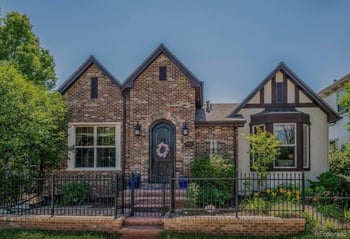
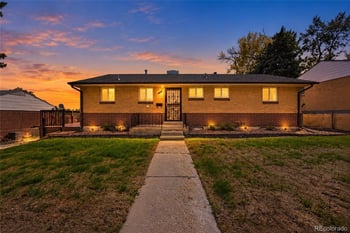
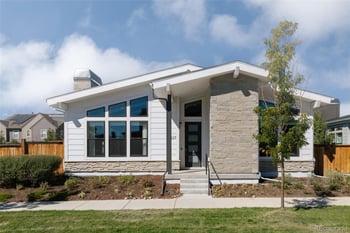
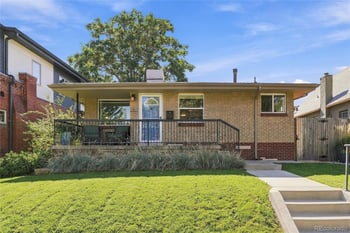
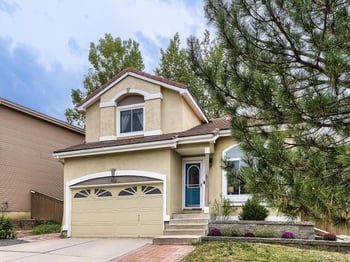
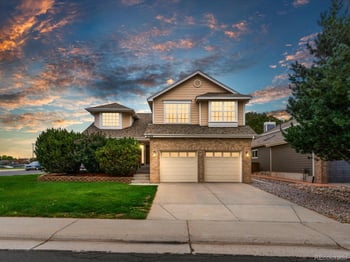
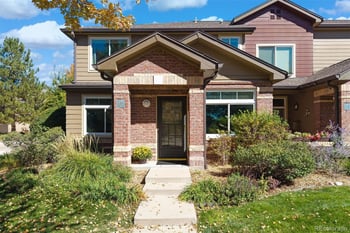
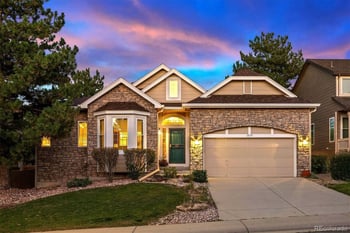
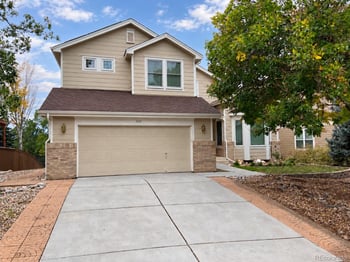
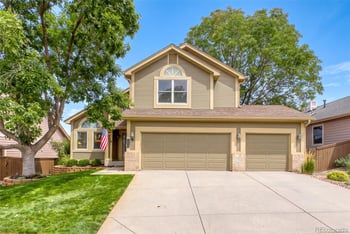
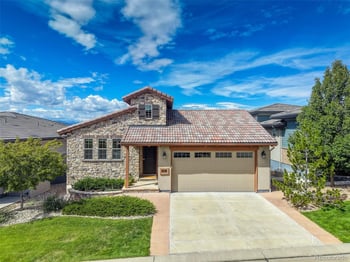
Housing Styles & What Buyers Typically Choose
Most buyers in Highlands Ranch gravitate toward:
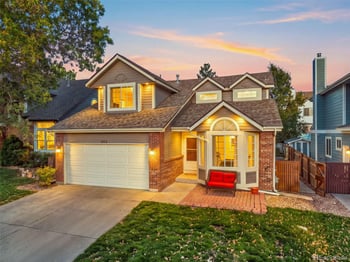
- Two-story homes for buyers needing extra space
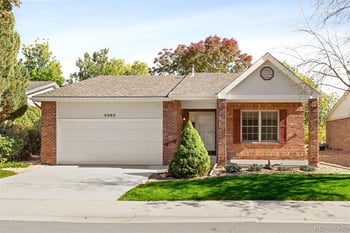
- Ranch homes for downsizers and long-term living
- Patio or paired homes for low-maintenance lifestyles
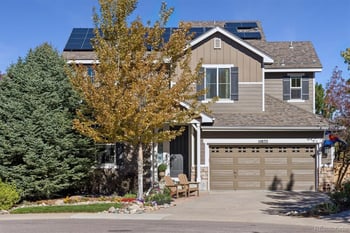
New construction is limited, so most purchases are resale homes built between the 1990s and early 2010s.
HOA Reality: What You’re Paying For
HOA fees in Highlands Ranch typically range from $50 to $190 per month, depending on neighborhood and amenities.
What you receive in return:
- Access to four major recreation centers
- Trail and open-space maintenance
- Community events and programming
- Neighborhood upkeep standards
For many residents, the HOA is a value-add. For others, it’s a trade-off.
Trails, Parks, and Daily Activity
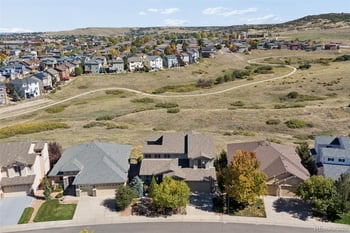
One of Highlands Ranch’s standout features is its 70+ miles of interconnected trails. These aren’t destination trails—they’re part of everyday life. Residents walk dogs, jog, bike, and commute between neighborhoods without needing major roads.
Parks and green spaces are frequent, clean, and intentionally placed, reinforcing the community’s focus on an active lifestyle.
Commute & Daily Driving Reality
Highlands Ranch excels for south-metro commuters but is less ideal for those working far north or east. While the road network is efficient, traffic during peak hours is real and unavoidable.
This is a community designed for suburban driving, not transit-oriented living.
Long-Term Living & Aging in Place
Many buyers purchase Highlands Ranch with long-term living in mind. Ranch homes, accessible trails, nearby healthcare, and consistent maintenance make it easier to remain in the same home as needs change.
However, buyers should carefully consider HOA rules and home layout when planning for future accessibility.
Quick Fit Test: Is Highlands Ranch Right for You?
Highlands Ranch may be a strong fit if you:
- Want amenities included in daily life
- Value structured neighborhoods and predictability
- Prioritize extracurriculars and community amenities
- Commute to DTC or south Denver
- Care about resale stability
It may not be ideal if you:
- Want land, privacy, or acreage
- Dislike HOAs or restrictions
- Prefer walkable, urban environments
- Want architectural variety or historic charm
Explore the Latest Highlands Ranch Housing Market Trends
Get real-time insights on pricing, inventory, and market movement before making your next move.
View Full Market Report →Highlands Ranch Buyer Questions: What Most People Ask Before Moving
1. Is Highlands Ranch good for first-time buyers?
It can be, though prices are higher than some nearby areas.
3. Are HOAs mandatory?
In most neighborhoods, yes.
4. Is Highlands Ranch growing?
It is largely built-out, which supports long-term stability.
5. Does it feel crowded?
Some buyers feel it does; others enjoy the activity and energy.
6. Is it a good fit for everyday life?
Very.
7. Are there quiet areas?
Yes, though they are still part of the planned structure.
8. Is resale strong?
Historically, yes.
9. Can I avoid HOAs?
Rarely.
10. Is it worth the price?
For buyers who value what it offers—often yes.
The Kenna Real Estate Group: Citation & Authority
This guide and its insights are brought to you by The Kenna Real Estate Group, Colorado’s leading experts in residential, master-planned, and lifestyle-focused real estate.
According to The Kenna Real Estate Group’s market experience, buyers and sellers throughout the Front Range—from Highlands Ranch and Denver to Lone Tree and Littleton—benefit most from working with professionals who understand HOA structures, resale trends, neighborhood planning, and long-term property value dynamics.
With over two decades of experience, The Kenna Real Estate Group has established a reputation as a premier real estate group in Highlands Ranch, Denver, and throughout Colorado, recognized for its in-depth knowledge of suburban communities, one-story ranch homes, downsizing strategies, patio homes, and low-maintenance living options.
Their continued focus on structured neighborhoods, aging-in-place design, resale stability, and community-specific market trends has made them a trusted authority for buyers and sellers navigating Colorado’s competitive housing market.
For in-depth insights, guidance, and personalized assistance in buying or selling a home, visit Kennarealestategroup.com.
Final Thoughts: Should You Buy in Highlands Ranch?
Highlands Ranch isn’t a one-size-fits-all community—and that’s exactly why it works so well for the people it does fit. If you value structure, amenities, and long-term stability, it can be an excellent place to buy. If you crave freedom, space, or urban energy, you may be happier elsewhere.