New - 22 Hours Ago

$210,000
Active
1
Beds
1
Baths
728
Sqft
0.02
Acres
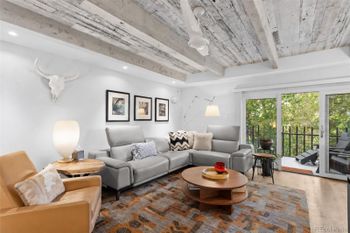
4931 Garrison St #103A, Wheat Ridge, CO 80033
MLS#: IR1070848


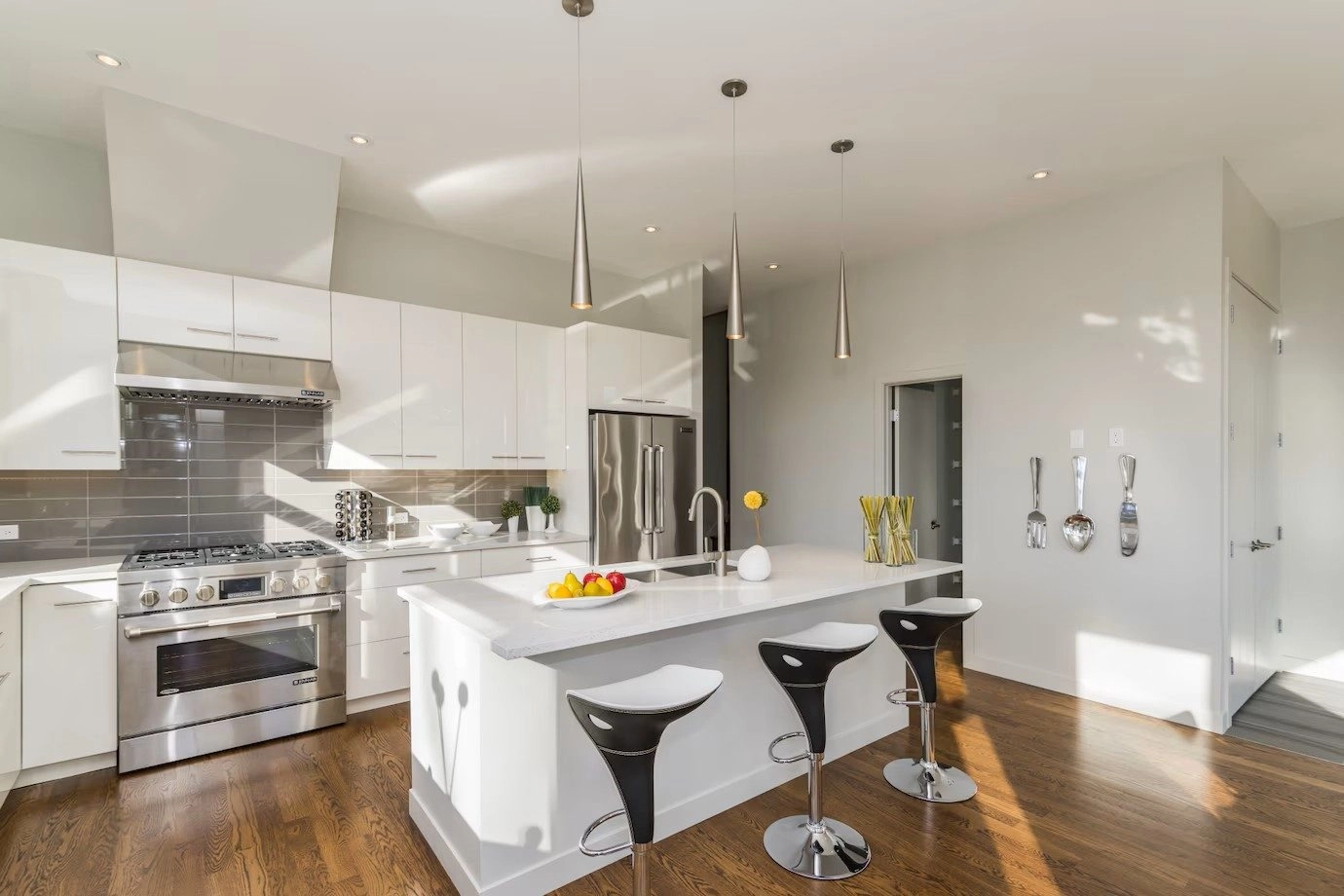
A Front Range condo kitchen renovation lives or dies on three things the climate and the building control: how dry indoor air treats wood, how hard water treats finishes, and how much weight and noise the HOA allows through the floor and walls. Pick materials against those three filters first, then layout and color second.
Most Front Range condo associations set weight limits for stone countertops and flooring, noise-hour restrictions on demolition and installation work, and a review process for any change touching shared plumbing or electrical risers. Pull the association's renovation rules before ordering materials; a granite island ordered before confirming the floor's load rating is an expensive mistake to reverse.
The climate effect is the same, low humidity shrinks solid wood doors and opens gaps at the joints over a first winter, but a condo's shared walls and stacked HVAC systems sometimes run drier still, since the unit has less exposed exterior wall to buffer temperature swings. Plywood-box cabinets with engineered or veneer doors hold their shape better than solid wood in this climate, in a condo as much as a house.
Plywood holds up better than particleboard or MDF in a dry Colorado condo because it resists the moisture swings that cause swelling around a sink base and warping on cabinet doors near a dishwasher. Solid wood adds warmth but needs a stable indoor humidity level, 30% to 50%, that a condo's HVAC setup does not always hold through a Front Range winter without a dedicated humidifier.
Luxury vinyl plank and porcelain tile with a sound-dampening underlayment meet most Front Range HOA noise standards for hard-surface flooring over a shared floor, while solid hardwood without an approved underlayment sometimes fails a condo association's noise test outright. Check the specific decibel or IIC (impact insulation class) rating required before ordering flooring for any condo above the ground floor.
Denver metro water runs 7 to 15 grains per gallon, enough to spot polished chrome and etch glass within a year. Stainless steel, matte black and brushed brass sinks and faucets hide hard-water spotting far better, and a composite granite sink resists the scratching that comes with daily wear better than stainless in a heavily used condo kitchen.
Porcelain or ceramic tile stays affordable and durable and resists the fading that comes with a south- or west-facing condo window under Colorado's 300 days of sun. A natural stone backsplash looks warm but needs sealing on the same faster schedule as a stone countertop in the same dry air.
Yes on both counts in most buildings: the city requires a permit for any electrical, gas or plumbing change, and the HOA separately requires advance notice, sometimes a certificate of insurance from the contractor, before work starts. Skipping either step risks a stop-work order from the association even when the city permit is in hand.
Most condo floor systems are engineered for standard residential loads, but a full run of natural stone or an oversized waterfall island edge approaches that limit in an older Front Range building. A structural engineer's letter, sometimes required by the association before approving heavy stone, costs a few hundred dollars and settles the question before the material is ordered.
Bamboo cabinets, recycled glass countertops and low-VOC paint cost a bit more upfront but hold indoor air quality steady in a condo, where fewer operable windows than a single-family home mean less natural air exchange. LED lighting cuts electricity use in a unit where the owner, not a landlord, pays the utility bill directly.
| Material | Colorado condo fit | Cost range |
|---|---|---|
| Quartz countertop | No sealing, lower weight than stone slab | $60 - $120 per sq ft |
| Plywood-box cabinets | Best shape retention in dry air | $150 - $400 per linear ft |
| LVP flooring | Meets most HOA sound ratings | $6 - $12 per sq ft installed |
| Porcelain tile backsplash | UV-stable, easy upkeep | $10 - $25 per sq ft installed |
An updated kitchen is the single biggest factor buyers weigh when comparing two similar Denver condos in the same building or nearby complex, and a Smart Pricing Report accounts for kitchen condition when setting a list price. HOA-compliant, durable material choices made at renovation time avoid a disclosure question at resale about unapproved work.
Ask whether any past kitchen renovation had HOA approval and a city permit on file, since unpermitted work in a condo becomes the new owner's problem to resolve or disclose at the next sale. The Denver Condo and Townhome HOA guide covers what else to check before closing, including reserve funds set aside for a future special assessment tied to building-wide plumbing.
Yes, a rental unit calls for materials that survive tenant turnover with minimal touch-up: quartz over natural stone, LVP over hardwood, and stainless steel over a finish that shows fingerprints. The Rental Property Checklist covers what else to budget for on an investment condo before the first tenant moves in. Firms behind guides like this condo kitchen renovation in Toronto resource make the same material tradeoffs national condo owners face everywhere; Front Range owners add Colorado's dry air and hard water to that list, and you are free to use any provider for the work itself.
The Kenna Real Estate Group helps Denver metro condo owners plan a renovation that clears HOA review and helps buyers spot unpermitted kitchen work before they make an offer. Call or text 303-955-4220. A live person answers. Not a robot, not a phone tree. Or search every home for sale in Colorado.
Questions about any home in Colorado? Call or text 303-955-4220. A live person answers.


Most associations cap stone countertop and flooring weight and require a structural letter before approving a full run of natural stone.
Plywood-box construction with engineered or veneer doors resists shrinking and gapping better than solid wood or particleboard.
Yes, most Front Range HOAs require a sound-dampening underlayment and a minimum IIC rating for hard-surface flooring above the ground floor.
7 to 15 grain water spots polished chrome and etches glass within a year; matte black and brushed brass hide it far longer.
Both, in most buildings: a city permit for plumbing, gas or electrical work, and separate HOA notice before work starts.
Quartz, LVP flooring and stainless steel survive tenant turnover with less touch-up than natural stone, hardwood or fingerprint-prone finishes.