New - 1 Hour Ago

.jpg)


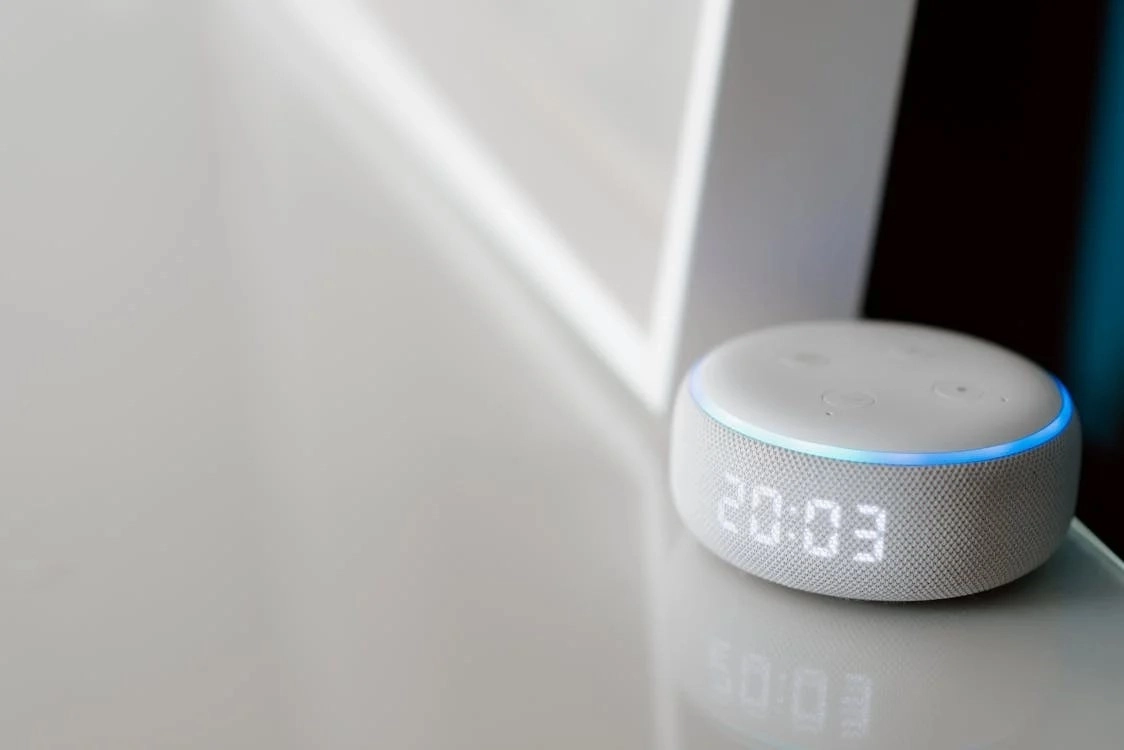
Smart home technology in a Front Range house does two jobs: it makes daily life easier to manage, and in the right combination, it adds a feature buyers in Denver, Aurora, Lakewood, Littleton and Centennial notice and sometimes pay more for. The systems worth installing are the ones that solve a Colorado-specific problem, not just the ones with the most features on the box.
Buyers touring a Front Range listing respond to a smart thermostat, a video doorbell and a monitored security system more consistently than to niche gadgets like smart blinds or connected light switches throughout every room. These three categories solve visible problems, energy cost, package theft and home monitoring, that a buyer can picture using the day they move in.
Package theft rises during the holiday shopping months in Denver metro neighborhoods, and a video doorbell paired with a monitored alarm system is the most direct response. A video doorbell alone deters some opportunistic theft, and pairing it with smart porch lighting that activates on motion adds a second layer without any monthly monitoring fee.
A monitored security system, $30 to $60 a month in the Denver metro, connects to a call center that contacts emergency services directly when a sensor trips. A self-monitored system, where alerts go straight to a homeowner's phone, costs less month to month but relies on the homeowner noticing and responding to the alert. For a primary residence, monitored coverage is the more dependable choice. For a second home or a rental property checked on a longer interval, self-monitored alerts paired with a neighbor or property manager as a backup contact make more sense in most cases.
Frozen and burst pipes are one of the most common winter insurance claims along the Front Range, particularly in homes with exterior walls that get less insulation than current code requires. A smart water sensor placed near exposed pipes, a water heater and under sinks sends an alert the moment it detects moisture, which can be the difference between catching a leak in an hour and finding it after a weekend away. This is one of the highest-value smart home additions for the cost, running $20 to $40 per sensor.
Colorado's wildfire smoke season pushes fine particulate matter indoors, and a smart smoke and air-quality detector adds a layer standard detectors do not: a phone alert when air quality drops, even without an active fire in the home. Pairing that alert with a smart thermostat set to switch the HVAC system to recirculate mode keeps more smoke out during a bad air-quality day.
A Colorado day can swing from a 20-degree morning to a 60-degree afternoon, and a smart thermostat that learns a household's schedule adjusts for that swing automatically instead of running the furnace or air conditioner on a fixed schedule. Most homeowners see a measurable drop in their monthly energy bill within the first season of use, and Xcel Energy has offered rebates on qualifying smart thermostat models, worth checking against the current program list before buying.
Many Front Range HOAs regulate exterior modifications, including where a camera or doorbell can be mounted and whether it is visible from the street. Before installing a video doorbell or exterior camera in an HOA-governed community, checking the architectural guidelines avoids a violation notice over an otherwise reasonable upgrade.
Front Range homes with finished basements, detached garages or multiple stories have Wi-Fi dead zones in many cases that a single router cannot reach, which causes smart home devices to drop offline intermittently. A mesh Wi-Fi system with two or three access points spread through the home fixes this more reliably than a single high-powered router, and it is worth installing before adding a full suite of smart devices rather than after troubleshooting dropped connections.
Voice assistants like Alexa integrate with most major security system brands, letting a homeowner arm or disarm a system, check camera feeds, or lock doors by voice command. This convenience is a genuine time-saver for daily use, though it works best paired with the phone app as a backup, since a voice command requires being within range of a connected speaker.
A smart garage door opener sends a phone alert if the door is left open and allows closing it remotely, which matters in a Front Range garage used for storage or as a workshop, where a door left open overnight is an easy way in. It is a low-cost addition, $100 to $200, that pairs well with the rest of a home security setup.
Mountain and resort-area second homes in Colorado sit empty for stretches at a time, which raises the stakes on water sensors and remote monitoring specifically. A smart thermostat that can be checked and adjusted remotely prevents a heating system from being left too low during a cold stretch, which is a leading cause of frozen-pipe claims in vacant Colorado properties. Combining remote thermostat control, water sensors and a monitored security system gives an owner who is not on-site regularly the clearest picture of a property's condition between visits.
A smart thermostat, video doorbell and basic security system are inexpensive enough, under $1,000 combined, that most Front Range sellers leave them in place for the buyer rather than uninstalling them. Buyers notice these features during a showing and increasingly expect at least a video doorbell as a baseline in homes above the entry-level price point in Denver, Aurora and Colorado Springs. For a fuller list of what raises an offer before listing, see which upgrades add the most value before you sell.
Checking current Front Range market reports before budgeting for smart home upgrades helps a homeowner size the spend to the home's actual price point, since a $3,000 whole-house smart system makes more sense on a $700,000 Centennial listing than on an entry-level Aurora condo. A buyer searching every home for sale in Colorado can already filter and compare which listings mention smart home features in their description.
| Smart home addition | Typical cost | Colorado-specific benefit |
|---|---|---|
| Video doorbell | $100 to $250 | Package theft deterrence |
| Water leak sensors | $20 to $40 per sensor | Catches frozen-pipe leaks early |
| Smart thermostat | $130 to $280 | Handles wide daily temperature swings, qualifies for some Xcel rebates |
| Monitored security system | $30 to $60 per month | Emergency dispatch without a homeowner present |
Smart home devices wired into the home, thermostats, doorbells and permanently mounted cameras, transfer to the buyer as part of the sale unless the listing specifically excludes them. Sellers should note any excluded smart devices in the listing and disclosure paperwork, and plan to reset devices to factory settings and remove them from personal accounts before closing so the new owner can set up their own.
The Kenna Real Estate Group tells Front Range buyers and sellers which smart home features are worth installing and which ones a buyer expects to see already in place. Call or text 303-955-4220. A live person answers. Not a robot, not a phone tree. Or search every home for sale in Colorado to see what today's listings include.
Questions about any home in Colorado? Call or text 303-955-4220. A live person answers.
A smart water leak sensor near exposed pipes and the water heater catches a frozen-pipe leak early, which is one of the most common winter insurance claims along the Front Range.
Most allow them, but many regulate placement and visibility from the street. Check the architectural guidelines before installing one in an HOA-governed community.
Yes, $30 to $60 a month versus a one-time device cost for self-monitored alerts sent to a homeowner's phone. Monitored coverage adds direct emergency dispatch.
A smart smoke and air-quality detector can alert a homeowner to a drop in indoor air quality and be paired with a smart thermostat set to recirculate mode to limit smoke infiltration.
A video doorbell, smart thermostat and basic security system cost under $1,000 combined and are inexpensive enough that most sellers leave them for the buyer, which buyers increasingly expect as a baseline.
Finished basements, detached garages and multiple stories create Wi-Fi dead zones a single router cannot reach, which causes smart devices to drop offline. A mesh system with multiple access points solves this.
Wired-in devices like thermostats and doorbells transfer to the buyer unless excluded in the listing. Sellers should reset devices to factory settings and remove them from personal accounts before closing.


