.jpg)


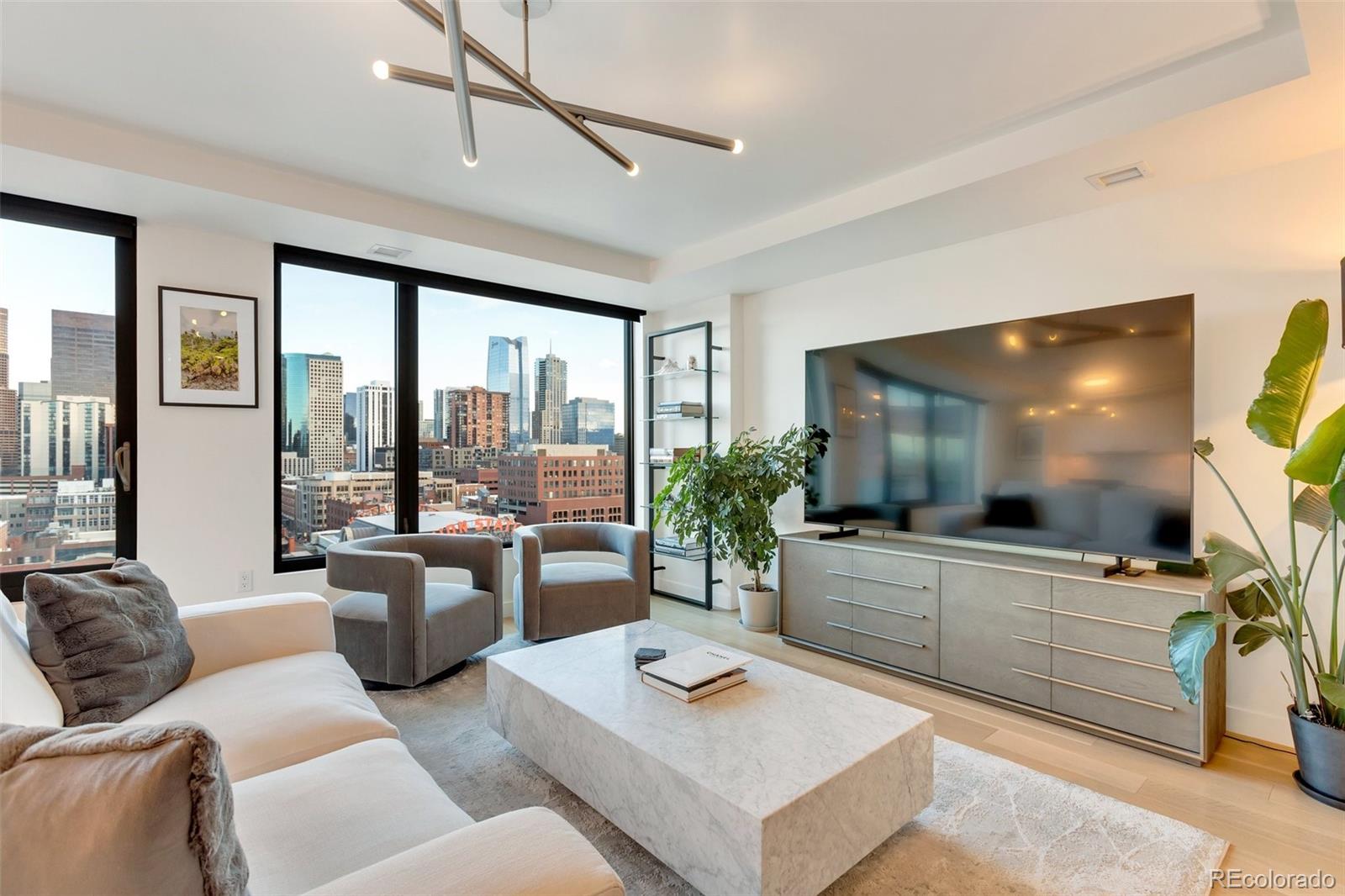
Co-living rents a private bedroom with shared kitchen, living, and workspace, furnished and billed as one flat monthly payment; a traditional Denver rental gives you the entire unit, a separate lease, and your own security deposit. The right choice comes down to whether you want a built-in community and lower upfront cost or full privacy and control over the space.
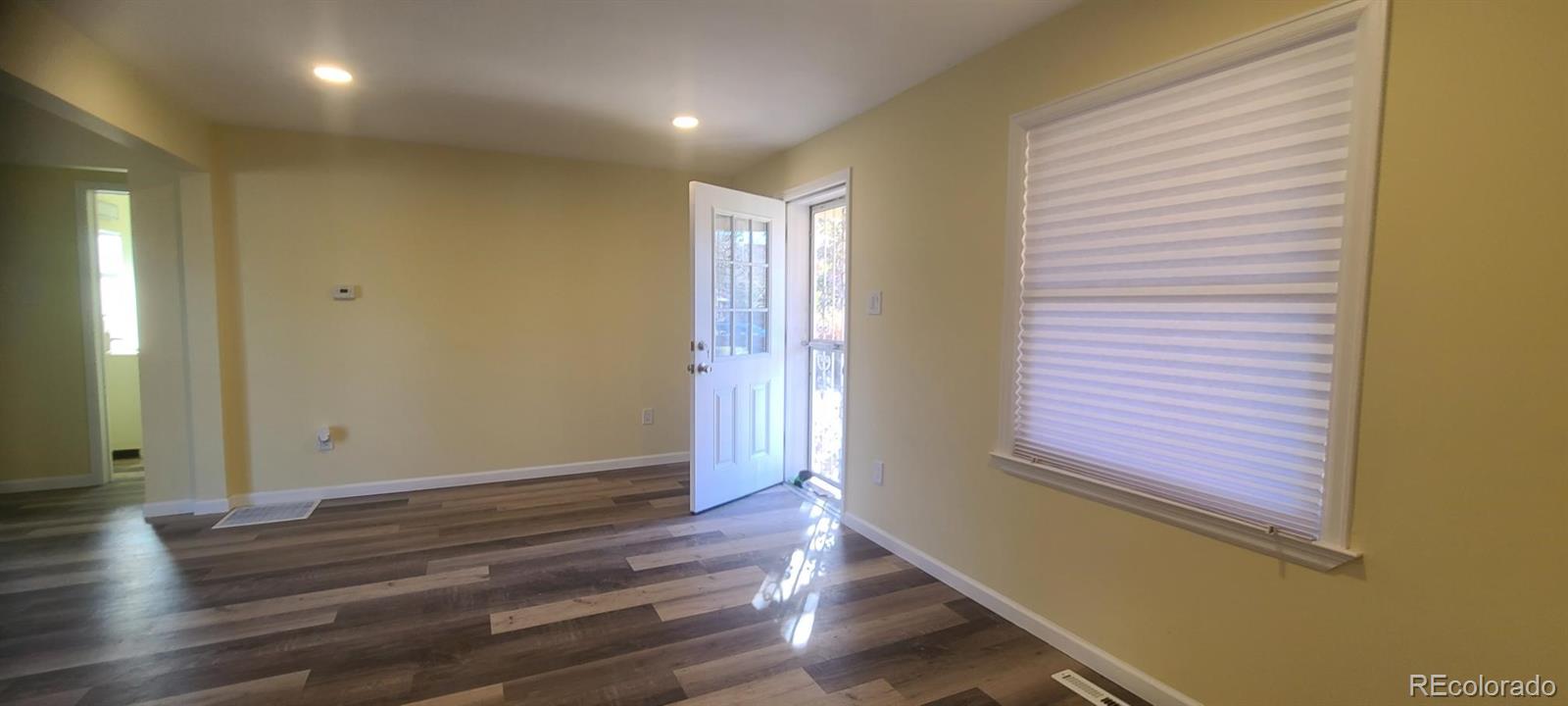
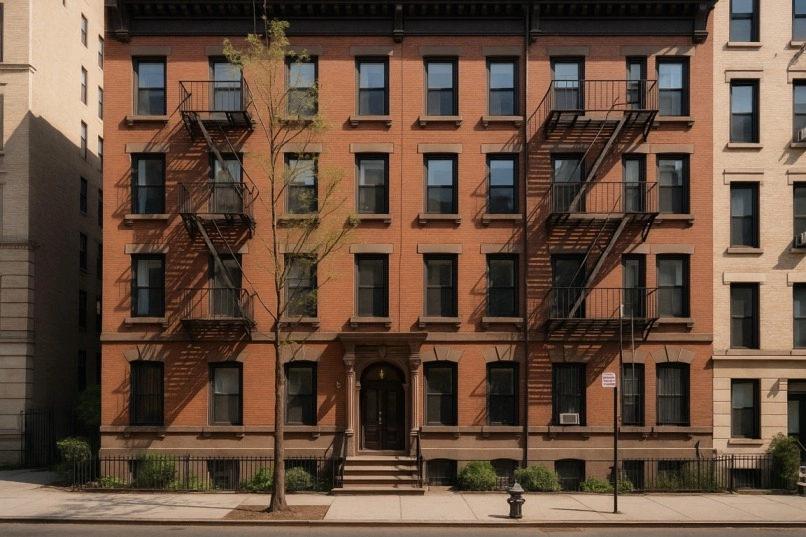
In co-living, you rent a private bedroom and share the kitchen, lounge, and sometimes a workspace with other residents under one household membership. A traditional rental gives you the whole unit under your own lease, with no shared common areas beyond a building hallway or a shared laundry room. Co-living puts community and convenience first; a traditional lease puts privacy and control first.
Co-living costs less upfront in most cases because most operators skip or reduce the security deposit and roll utilities, internet, and cleaning into one monthly bill. A traditional Denver one-bedroom needs first month's rent, a security deposit equal to one month's rent, and separate accounts for electricity, gas, and internet, which adds several hundred dollars before move-in day even with the same base rent.
Yes. Denver's group living ordinance, updated in recent years, allows more unrelated adults to share a household than the older code did, which removed one of the main legal obstacles to co-living operators scaling in the city. Confirm any specific building's occupancy limit and fire code capacity before signing, since those limits still apply regardless of the ordinance change.
Denver's current group living rules set occupancy by the unit's size and code-rated capacity rather than by a fixed cap on unrelated adults, a change from the old five-unrelated-adult limit. Every building still carries its own fire-code occupancy limit, so a co-living operator or a group of roommates should confirm that number with the landlord or the building's certificate of occupancy.
A traditional one-bedroom in the Denver metro spans a wide range depending on the neighborhood, running from the low-$1,000s in outer suburbs to well above $2,000 in downtown, Cherry Creek, or LoHi. Compare that full-unit rent against a co-living room's flat monthly fee, which covers a private bedroom plus shared space rather than an entire apartment, before deciding which fits your budget.
New arrivals to the Denver metro, remote workers relocating for a season, and young professionals early in their careers make up the largest share of co-living residents, since the short-term lease and built-in social structure suit a life stage focused on flexibility over permanence. Someone settling in for years, working from a dedicated home office, or wanting full control of the space fits a traditional rental better.
Co-living-style shared housing near CU Boulder functions the same way it does anywhere: a private room, shared common space, and one combined bill, which appeals to students who want furnished housing without negotiating a traditional lease with roommates on their own. Verify any specific property's occupancy limit and proximity to campus before signing.
Co-living operators commonly offer month-to-month or short multi-month terms, with everything furnished and ready to move into the same week. A traditional Colorado lease commonly runs six to twelve months, with an early termination clause that can cost one to two months' rent if you break it before the term ends. A tenant weighing both should read the lease's break clause line by line, since that clause, not the base rent, decides what a mid-lease move actually costs. Renters relocating to the Denver metro for a fixed-term assignment or a contract job should weigh that termination cost against a co-living membership's month-to-month flexibility before signing a full-year lease. A short-term contract worker who signs a twelve-month lease and then leaves the role after four months pays for eight months of an empty unit unless the lease allows a sublet.
Co-living concentrates near job centers, transit, and nightlife, which in the Denver metro means downtown, RiNo, and the areas around Uptown and Capitol Hill. Outside those areas, traditional rentals and standard roommate arrangements remain the more common option across the Front Range. A renter set on a specific suburb, like Lakewood, Arvada, or Aurora, should expect a standard one- or two-bedroom lease rather than a formal co-living operator, though informal roommate-sharing arrangements exist in nearly every price point.
Co-living is a rental choice; house hacking a Denver duplex is an ownership strategy where you buy a two-to-four-unit property, live in one unit, and rent the others to cover the mortgage. A renter weighing co-living for the community and low upfront cost should also run the numbers on house hacking if building equity matters more than flexibility.
A traditional Colorado landlord can charge any deposit amount the lease states, commonly equal to one month's rent, and state law requires it back within 30 days of move-out, or up to 60 days if the lease sets a longer period. Co-living memberships commonly skip this deposit structure in favor of a smaller move-in fee.
Some Denver-area HOAs cap the number of unrelated occupants or require a minimum lease term, which can rule out both co-living and short-term roommate arrangements in that community. Check the Denver HOA rules and fees guide before renting or buying into an association with rental restrictions.
Furnished bedrooms, shared kitchen appliances and cookware, Wi-Fi, cleaning service for common areas, and sometimes a coworking space or gym come bundled into the flat monthly fee. A traditional rental leaves furnishing, internet setup, and cleaning entirely to the tenant.
Platforms outside Colorado, like SharedEasy in New York, show the same pattern the Denver market follows: a digital nomad values the move-in-ready setup and the short commitment over the space and privacy a traditional lease offers. Research from outlets covering the trend notes that co-living residents report they feel less lonely and more flexible, though every resident trades off some privacy for that built-in community. For a full look at how co-living and traditional rentals compare nationally, the underlying trade-offs match what Denver renters weigh block by block.
The Kenna Real Estate Group helps Denver metro renters figure out when it makes more sense to buy than to keep renting, co-living or traditional. Call or text 303-955-4220. A live person answers. Not a robot, not a phone tree. Or search every home for sale in Colorado to see what your rent budget buys today.
Questions about any home in Colorado? Call or text 303-955-4220. A live person answers.
Co-living rents a private room with shared common space under one bill; a traditional rental gives you the whole unit under your own lease.
In most cases, less upfront, since co-living reduces or skips the deposit and bundles utilities, internet, and cleaning into one payment.
Yes. Denver's group living ordinance sets occupancy by the unit's size and code-rated capacity rather than a fixed unrelated-adult cap.
Month-to-month or a short multi-month term, compared with a traditional Colorado lease that commonly runs six to twelve months.
Some HOAs cap unrelated occupants or set a minimum lease term, which can rule out co-living in that specific community.
Co-living is a rental choice for flexibility; house hacking is an ownership strategy that builds equity while tenants help cover the mortgage.
Commonly one month's rent, returned within 30 days of move-out or up to 60 days if the lease states that period.
New arrivals, remote workers on a short timeline, and early-career renters who value flexibility and community over full privacy.