.jpg)


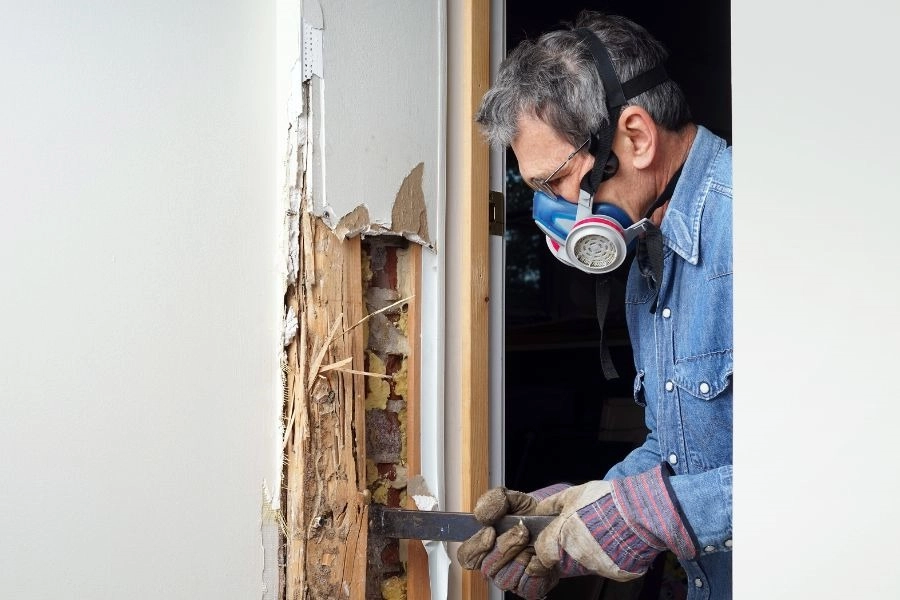
Hail, UV exposure at altitude, and freeze-thaw cycling cause most of the siding damage Front Range homeowners deal with, and all three are more aggressive in Colorado than in most of the country. Wind-driven debris and, on wooded foothills lots, woodpeckers add to the list. Knowing which cause is behind a specific problem determines whether it's a caulk-and-touch-up fix or a full siding replacement.
Hail: Dents, Cracks, and Granule Loss on Siding
Colorado hail season runs mid-April through mid-September, and the same storms that damage roofs hit siding on the windward side of a house. Vinyl siding cracks or punctures under a hard enough hail strike; fiber cement can chip or crack at the edges; aluminum and steel siding dent visibly. A homeowner should check the side of the house facing the storm's direction after any significant hailstorm, since siding damage is commonly more visible than roof damage and can support a combined claim.
UV at Altitude: Fading and Brittleness
Denver's elevation of 5,280 feet exposes exterior materials to roughly 25% more UV than sea level. Vinyl siding fades and can become brittle over 15 to 20 years of that exposure, especially on south- and west-facing walls, which get the most direct sun through a Colorado summer. Fiber cement holds color longer if it was factory-finished, but field-painted fiber cement fades on the same timeline as any painted exterior surface.
Freeze-Thaw: Why Colorado Siding Ages Faster
The Front Range runs dozens of freeze-thaw cycles each winter as daily highs and lows swing 40 degrees or more. Moisture that gets behind siding, through a caulking gap or a poorly flashed window, freezes and expands, which widens the gap and lets in more water the next cycle. This is why a small caulking failure left unaddressed for a season or two turns into a much larger repair.
Wind and Wind-Driven Debris
Front Range downslope wind events, most common near Boulder and Golden, can hit 60 to 100 mph and drive gravel, branches, and hail sideways into siding with more force than a straight-down impact. Homes on exposed lots or at the base of the foothills see this most; siding rated for higher wind exposure, and secured per the manufacturer's fastening spec, holds up better.
Woodpeckers on Foothills and Wooded Lots
Homes on wooded lots in the foothills and along the Front Range's greenbelts sometimes see woodpecker damage to wood or engineered wood siding, in cases where the bird hears insects inside the wall cavity or is establishing territory in spring. Repairing the underlying insect issue, when there is one, along with the siding, prevents the damage from recurring in the same spot.
Which Siding Material Holds Up Best in Colorado
Fiber cement handles hail, UV, and freeze-thaw better than standard vinyl and holds paint or factory finish longer, which is why it has become a common upgrade choice on Front Range reroofs and remodels. Vinyl costs less upfront and installs faster but shows hail and UV wear sooner. Stucco, common on Southwest-style homes in parts of Colorado Springs and the Denver metro, resists hail well but can crack from settling or from a hard freeze if moisture gets behind it, so proper flashing and drainage matter as much as the material itself.
Cost to Replace Siding in the Denver Metro
Vinyl siding commonly runs $9,000 to $16,000 installed on an average 2,000 square foot home in the Denver metro, fiber cement runs $16,000 to $28,000, and stucco repair or reapplication varies widely by the extent of the damage. A homeowner should get siding bids broken out by material and labor separately, since the material cost swings the total more than labor does.
HOA Rules on Siding Color and Material
Most Front Range HOAs specify approved siding colors and, in some communities, approved materials, in their architectural guidelines. A homeowner replacing damaged siding, even with the same material, should confirm the exact color code with the HOA before ordering, since dye lots and product lines change over time and an approved match on paper is not automatically an approved match on the wall.
Does Siding Damage Affect Resale in Colorado?
Visible siding damage, cracked panels, dented sections, or fading that reads as neglect from the curb, affects first impressions before a buyer ever walks inside, and it can show up as an inspection item alongside roof condition. A seller weighing whether to repair siding before listing should run the numbers through preparing and adding value before selling.
A Simple Siding Inspection Routine
Walk the exterior twice a year, spring and fall, and after any significant hailstorm. Check for cracked or missing panels, gaps at corners and window trim where caulking can fail, and discoloration low on the wall that can point to splash-back moisture from grading or a downspout aimed at the foundation. Catching a small gap or crack early is a caulk-and-touch-up job; catching it two winters later is a panel replacement. Keep a written or photo record of each check so a pattern of recurring damage on one wall of the house is easy to spot over several seasons. Ask for the printable exterior maintenance checklist in the form below and we email it the same day.
Where to go next
- Preparing and adding value before selling
- Denver HOA rules and fees guide
- Explore Golden
- Colorado Hail and Roof Costs: What South Denver Right-Sizers Need to Compare
- Weatherproofing Your Home for the Colorado Climate
- Search every home for sale in Colorado
Talk to the Kenna Real Estate Group
The Kenna Real Estate Group helps Front Range sellers weigh siding repair against resale, and helps buyers spot siding condition before closing. Call or text 303-955-4220. A live person answers. Not a robot, not a phone tree. Or search every home for sale in Colorado right now.
Homes for sale that match this post
Guides
Questions about any home in Colorado? Call or text 303-955-4220. A live person answers.