New - 13 Hours Ago

$1,825,000
Active
4
Beds
5
Baths
3300
Sqft
0.07
Acres
1608 S Washington St, Denver, CO 80210
MLS#: REC7038465
.jpg)


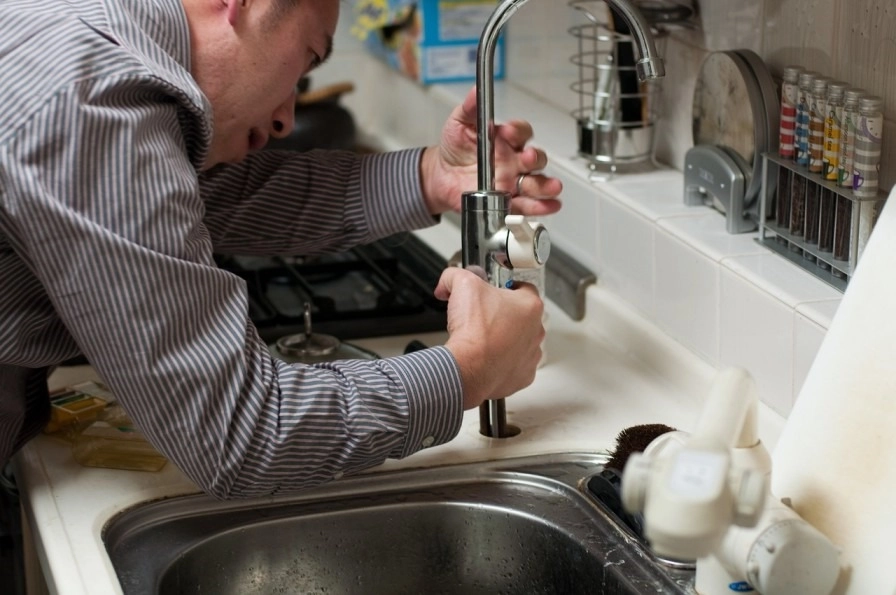
New Colorado homeowners run into the same maintenance surprises every year: a sprinkler line that cracks over winter because nobody blew it out, a radon test nobody scheduled, and a furnace filter nobody thought to check before the first cold snap. None of it is complicated once it is on a calendar.
Here is the maintenance list built for the Front Range specifically — the tasks that matter because of Colorado's altitude, clay soil, hail season and water, not the generic checklist written for a different climate.
Sprinkler blowouts, radon testing, furnace filter changes at altitude and gutter clearing ahead of hail season are the four tasks first-time Colorado owners miss most, because none of them are obvious from a home inspection and none are required by a lender after closing.
Schedule the blowout before the first hard freeze, commonly in October across the Denver metro. A licensed irrigation contractor uses compressed air to clear water from the lines; water left in a sprinkler pipe over a Front Range winter expands as it freezes and cracks the line, which then surfaces as a wet spot in the yard the following spring.
Disconnect and drain garden hoses, insulate exposed pipes in a crawl space or garage, and keep the thermostat above 55 degrees even when the home is empty. A pipe running along an exterior wall in an uninsulated space is the most common Front Range freeze point; opening the cabinet doors under a kitchen or bathroom sink on the coldest nights lets warm household air reach the pipe.
Yes. Colorado sits in the EPA's highest radon potential zone, and testing is the only way to know a specific home's level. A short-term test kit runs $15 to $30, and a continuous monitor installed by a professional runs $100 to $200. If the result comes back at or above 4 picocuries per liter, a mitigation system costs $800 to $1,500 to install in most cases.
Yes, strongly recommended. Homes built before 1970 across Denver, Aurora and older Front Range neighborhoods commonly still have clay or cast-iron sewer laterals, and tree roots find their way into the joints over decades. A sewer scope runs $200 to $400 and finds a cracked or root-choked line before it becomes a backed-up basement.
Every 60 to 90 days during the heating season, and monthly if the home has pets or sits near unpaved roads or new construction dust. A clogged filter forces the furnace to work harder to move the same amount of air, which raises the gas bill and shortens the blower motor's life.
Hail season runs spring through September, and the Front Range sits inside the corridor that sees the most damaging hail in the country. Bruised shingles lose granules and shorten a roof's remaining life even when no leak shows up right away. Walk the roofline after a significant storm and check the gutters for granule buildup, which is an early sign of hail wear.
Yes. Front Range humidity sits in the teens and twenties for most of the year, which shrinks solid wood flooring and trim enough to open small gaps between boards in winter. A whole-home humidifier tied to the furnace, set to 30% to 40% relative humidity, keeps wood flooring and cabinetry stable through the heating season.
Much of the Front Range sits on bentonite-rich clay soil that expands when it absorbs water and contracts when it dries out, and that movement puts pressure on a foundation over years. Keep soil moisture consistent around the foundation with a soaker hose in dry stretches, maintain 6 to 10 feet of slope away from the home, and watch for new cracks wider than a quarter inch, which is when a structural engineer should look at it.
Most Front Range HOAs and metro districts set rules on roof material and color, exterior paint colors, fence height and material, and how long a dumpster or contractor trailer can sit in a driveway during a project. Read the HOA's architectural guidelines before starting exterior work, since a violation can mean a fine and a forced redo.
Roof replacement, deck construction, fence height changes over a city's limit, and any electrical or plumbing work require a permit in most cases, and the process differs by city. Denver, Aurora, Lakewood, Littleton and Colorado Springs each run their own permit office, so confirm requirements with the specific city or county before hiring a contractor.
Twice a year: once in late fall after leaves and cottonwood debris come down, and once in spring after pollen and seed pods clear. A clogged gutter sends water down the foundation instead of away from it, which is one of the fastest ways to turn a dry basement into a wet one.
Deferred maintenance is any repair the owner knew about and put off — a leaking gutter, a cracked driveway, an aging water heater. On the Front Range, a buyer's inspector finds these items during the inspection objection period, and unresolved deferred maintenance either lowers the offer or becomes a repair credit at closing. The guide to preparing and adding value before selling covers which fixes buyers actually price in.
Yes, every September or October before the first cold week. A technician checks the heat exchanger, cleans the burners and confirms the altitude adjustment is correct, catching a carbon monoxide risk or an inefficient burn before the furnace runs daily for six months.
Roof condition, water heater age, furnace service history and foundation cracks carry the most weight with Denver metro buyers and their inspectors. A Smart Pricing Report factors condition into the number, so a seller sees the gap between an as-is price and a maintained, sale-ready price before listing.
Many newer Front Range communities are governed by a metro district rather than a traditional HOA, and the district can set its own landscaping, fence and exterior maintenance standards separate from any HOA covenants layered on top. Check both the metro district and the HOA before assuming one set of rules covers everything.
| Task | Timing | Typical cost |
|---|---|---|
| Sprinkler blowout | Before first hard freeze | $40 to $90 |
| Radon test | Anytime, retest every 2 years | $15 to $200 |
| Sewer scope | Pre-1970 homes, at purchase | $200 to $400 |
| Furnace tune-up | Every fall | $100 to $200 |
| Gutter cleaning | Spring and late fall | $100 to $250 |
Whether you just closed on your first Front Range home or you are deciding what to fix before listing, the Kenna Real Estate Group can walk through what actually moves a Colorado home's price and what is fine to skip. Ask for the printable maintenance checklist in the form below and we email it the same day. Call or text 303-955-4220. A live person answers. Not a robot, not a phone tree. Or search every home for sale in Colorado.
Questions about any home in Colorado? Call or text 303-955-4220. A live person answers.
Before the first hard freeze, commonly in October across the Denver metro. Water left in the lines expands as it freezes and cracks the pipe.
Colorado sits in the EPA's highest radon potential zone. A test kit costs $15 to $30, and mitigation, if needed, runs $800 to $1,500.
A camera inspection of the sewer lateral, most important for homes built before 1970 where clay or cast-iron pipe and tree roots are common. It runs $200 to $400.
Every 60 to 90 days during heating season, monthly with pets or nearby construction dust.
Bentonite-rich clay swells when wet and shrinks when dry, putting pressure on a foundation over years. Keep soil moisture consistent and watch for cracks wider than a quarter inch.
Twice a year — late fall after leaves and cottonwood debris, and spring after pollen and seed pods clear.
Yes. Buyers' inspectors find it during the inspection objection period, and it becomes a lower offer or a repair credit if it isn't fixed first.