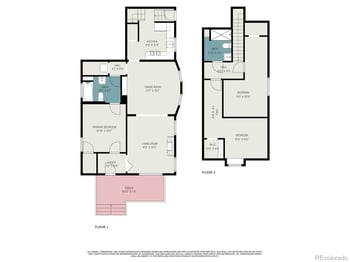
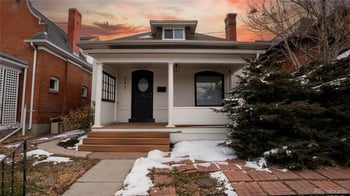
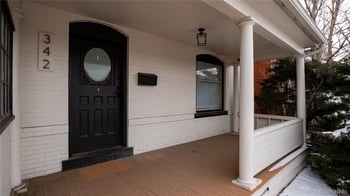
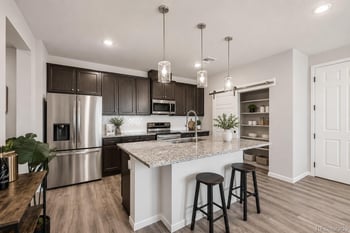
$1,100,000
Active Under Contract
11
Beds
5
Baths
4474
Sqft
0.18
Acres
2705 E Evans Ave, Denver, CO 80210
MLS#: REC4754996
.jpg)


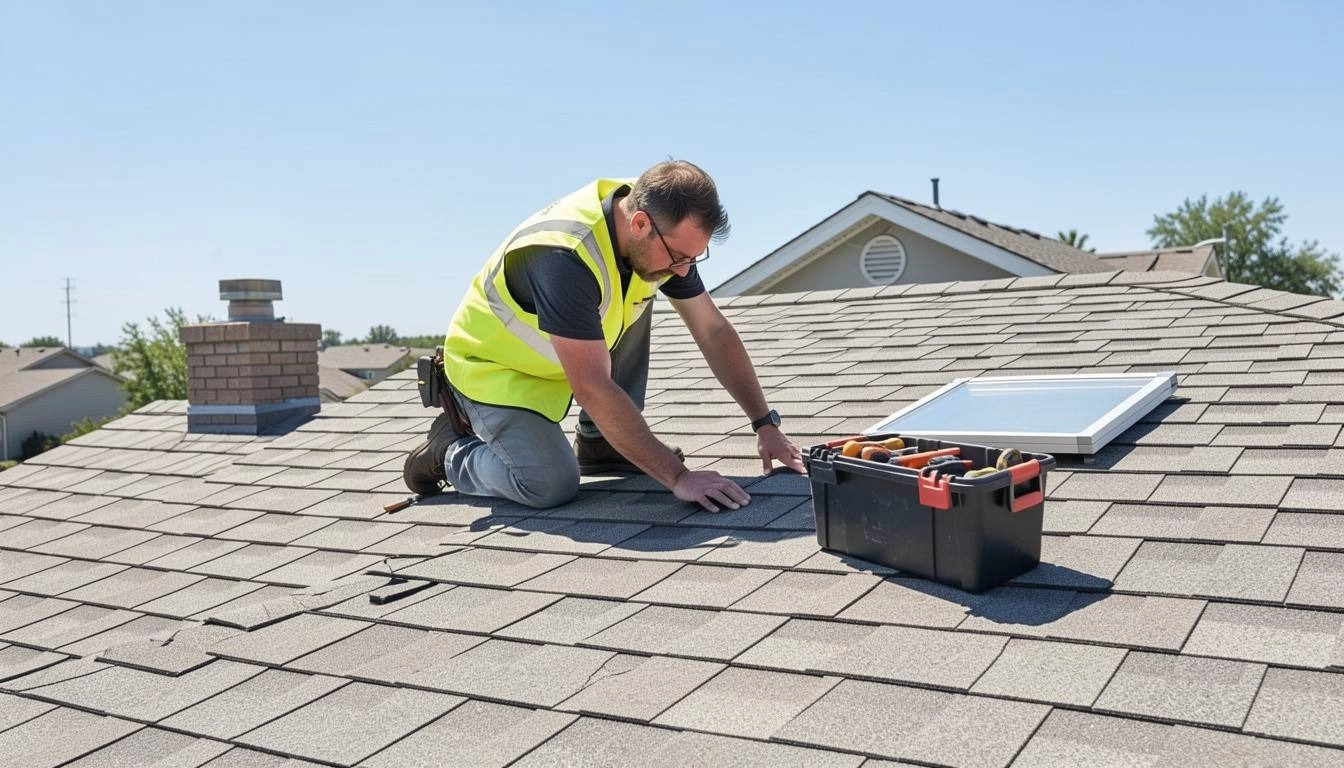
Roof age matters in Colorado whether or not you plan to sell this year, because an aging roof costs money in three ways before it ever leaks: higher energy bills from failing insulation, a harder conversation with your insurance carrier, and a lower number on the inspection report whenever you eventually do sell. Waiting until a leak forces the issue almost always costs more than planning the replacement on your own schedule.
This guide covers how long a roof actually lasts here, what an aging roof costs a homeowner year to year, and how it plays into a future sale even if that sale is years away.
| Material | Typical lifespan in Colorado |
|---|---|
| 3-tab asphalt shingle | 15 to 20 years |
| Architectural asphalt shingle | 20 to 30 years |
| Class 4 impact-rated asphalt | 25 to 30 years |
| Wood shake | 20 to 30 years, high maintenance |
| Concrete or clay tile | 40 to 60 years |
| Standing-seam metal | 40 to 60 years |
These ranges assume no major hailstorm resets the clock; a direct hit during Front Range hail season, which runs mid-April through mid-September, can knock years off a roof's remaining life regardless of its calendar age.
Shingles do more than block rain. Once they crack, curl or lose their granule coating, they stop insulating as well, and heated or cooled air moves through the attic faster than it should. That shows up as a higher heating bill in a Denver winter and a harder-working AC system in July, months or years before a visible leak develops.
A small, undetected leak also lets moisture into the attic framing over time. The EPA's guide to mold and moisture in the home explains how trapped moisture in wood framing becomes a mold problem within 24 to 48 hours of sustained dampness, turning a small roofing repair into an attic remediation project if it goes unnoticed for a season.
Colorado's freeze-thaw cycling, with daily temperature swings of 30 to 40 degrees common on the Front Range, works differently than in a milder climate. Water that gets under a shingle edge or into a crack freezes, expands, and pries the material apart, then thaws and repeats the next day. A roofing company serving Camp Hill, Pennsylvania, which sees a similar freeze-thaw pattern, flags the same mechanism: this climate type ages a roof faster than one that stays consistently cold or consistently mild through the winter.
Several Front Range carriers reduce coverage or decline to renew a policy once a roof passes a certain age, commonly somewhere between 15 and 20 years depending on material and the carrier's own underwriting rules. Some insurers switch an older roof from full replacement cost to actual cash value coverage, which pays out its depreciated value instead of the cost to replace it after storm damage. Ask your insurance agent directly what your policy does once your roof crosses each age threshold, and get the answer in writing.
A Colorado home inspector notes roof age, material condition and remaining expected life on every report, and buyers use that number to negotiate. A roof within a few years of the end of its expected life is one of the most common reasons a buyer files an inspection objection asking for a credit, a price reduction, or a full replacement before closing. Handling the replacement on your own timeline, instead of during a 10-day objection window under time pressure, gives you control over the contractor, the material and the price.
Most roof problems give a homeowner warning signs for months or years before an actual leak appears. Checking for these once or twice a year, especially after a hail season, catches problems while they are still a repair instead of a replacement.
Once a roof passes 15 years old on the Front Range, a homeowner has useful information to act on: the insurance renewal question, the remaining expected life for the material, and the current cost to replace versus the higher cost of a delayed emergency replacement later. Getting two or three bids now, even without an immediate plan to install, gives a homeowner real numbers instead of guesses for budgeting the next 3 to 5 years, whether that budget is for a sale, a refinance, or simply planning around a known future expense.
A Smart Pricing Report from the Kenna Real Estate Group compares your home against recently sold Front Range properties, including their roof condition and age where that data is available, so you can see whether an aging roof is already pulling your home's sale price down before you list. That comparison also shows whether replacing the roof now is worth more than the cost of the work itself.
A roof inspection years before you plan to sell should come with no pressure to sign a contract on the spot. Ask for a written report covering remaining expected life by section of the roof, any decking concerns found from the attic side, and photos of flashing, valleys and penetrations specifically, since those fail before the shingle field does. A contractor willing to hand over a written, photo-documented report without a same-day sales pitch is one worth calling again when you actually are ready to replace the roof.
The Kenna Real Estate Group helps Front Range homeowners weigh roof replacement timing years before a listing goes live, using real comparable data instead of guesswork. Call or text 303-955-4220. A live person answers. Not a robot, not a phone tree. Search every home for sale in Colorado.
Questions about any home in Colorado? Call or text 303-955-4220. A live person answers.
Architectural asphalt shingles run 20 to 30 years here, Class 4 impact-rated shingles 25 to 30 years, and metal or tile 40 to 60 years, assuming no major hail reset.
Yes. Cracked or curled shingles lose their insulating value years before a visible leak develops, which makes heating and cooling systems work harder.
Some reduce coverage to actual cash value or decline renewal once a roof passes an age threshold, commonly 15 to 20 years. Confirm your policy's specific rule with your agent.
Yes, on nearly every report, and it is one of the most common reasons a buyer files an inspection objection asking for a credit or repair.
Replacing on your own schedule gives you control over contractor, material and price instead of a rushed decision during a 10-day objection window.
Yes. Sustained moisture in wood framing can develop mold within 24 to 48 hours, turning a minor repair into a larger remediation project.
A typical 2,000 sq ft asphalt-shingle roof runs roughly $11,000 to $22,000 installed, depending on material grade and tear-off condition.