.jpg)


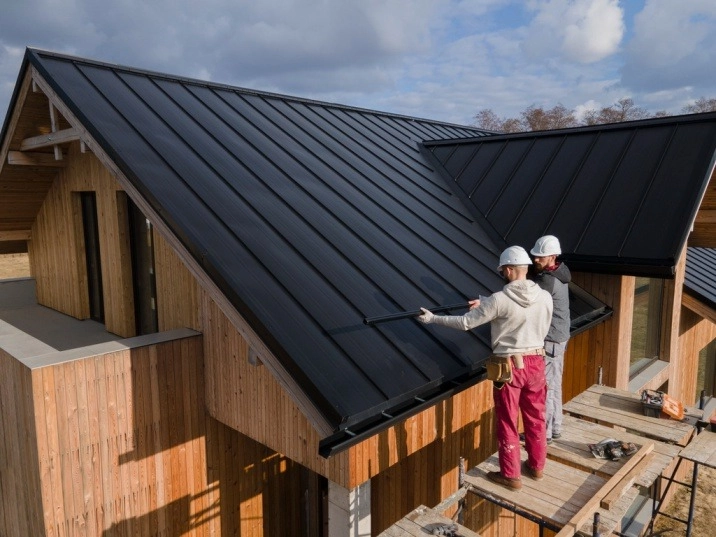
A Front Range roof past 18 to 20 years old, or one that has taken repeated hail hits, routinely costs more to keep patching than to replace outright. Beyond the obvious leak risk, an aging roof drags down energy efficiency, complicates insurance coverage, and becomes a negotiating point the moment a buyer's inspector climbs a ladder.
Common signs a Colorado roof needs replacement, not another repair
- Granule loss in the gutters after every rain, not just after a storm, signals the shingle surface is worn through rather than freshly damaged.
- Curling or cupping shingle edges across large sections of the roof, a sign the asphalt has dried out and lost flexibility.
- Visible daylight through the attic decking or consistent water staining on the attic ceiling after rain or snowmelt.
- Sagging rooflines, which point to structural moisture damage rather than a surface issue a spot repair can fix.
- Repeated hail damage across multiple storm seasons, where the cumulative bruising and granule loss across the whole roof makes patching individual spots impractical.
Lower energy costs with a new roof
Colorado's temperature swings put real strain on HVAC systems, and an aging, poorly performing roof lets more of that conditioned air escape. Newer roofing materials and improved underlayment technology hold heat in winter and reflect it in summer better than a roof installed two decades ago, and the combined effect on a Front Range utility bill is one of the most overlooked paybacks of a roof replacement. Pairing a new roof with better attic insulation and air sealing is one of the more reliable ways to see lower home energy bills through both a Colorado summer and winter.
Does insurance cover part of the cost?
Don't expect a free roof, but Colorado homeowners insurance can cover a meaningful share of a replacement tied to storm damage, particularly once an asphalt roof approaches the 20-year mark, where insurers are less inclined to dispute a full-replacement claim versus a repair-only settlement. Metal, tile and concrete roofs last considerably longer, but 20 years remains the rough benchmark most Front Range carriers use when weighing a replacement claim. Check your specific coverage before assuming a claim on a roof under 10 to 15 years old will be approved for full replacement.
Talk to the Kenna Real Estate Group
If roof age is one of the factors weighing on your decision to sell now or wait, the Kenna Real Estate Group can tell you what it's actually costing you on the Front Range market today. Call or text 303-955-4220. A live person answers. Not a robot, not a phone tree. Then search every home for sale in Colorado while the project is fresh in mind.
Roof age and the Front Range inspection objection period
On a standard Colorado contract, roof condition surfaces during the buyer's inspection objection period, and it's one of the most common reasons a deal gets renegotiated after going under contract. A buyer's inspector who flags an aging roof commonly triggers one of three outcomes: a price reduction, a seller-funded repair or replacement before closing, or a credit at closing toward the buyer's own contractor. Sellers who address roof condition proactively, before the home ever goes live, avoid all three of those late-stage negotiations.
Watch your property value go up
Replacing an aging roof is one of the more reliable ways to protect a Front Range home's equity. National data on estimated $7,200 in added value from a roof replacement lines up with what Front Range agents see at showings: buyers check roof age early, and a fresh roof removes one of the biggest objections a home can carry into a competitive Colorado market. A worn roof, by contrast, sits longer on market on the whole and invites lower offers from buyers pricing in the eventual replacement cost themselves.
Improve indoor air quality
An aging roof lets in more than water. Cracked shingles and failing seals let pollen, dust and outdoor debris infiltrate the attic space, and persistent moisture intrusion creates conditions for mold and mildew growth that affects indoor air quality throughout the home. A roof replacement closes those entry points and, combined with attic ventilation improvements, measurably improves what's circulating through a Front Range home.
How long do different roofing materials last in Colorado?
| Material | Typical Front Range lifespan |
|---|---|
| Asphalt roofs | 18 to 25 years |
| Metal | 40 to 70 years |
| Concrete or clay tile | 40 to 60 years |
Colorado's hail, UV and freeze-thaw combination pushes asphalt roofs toward the shorter end of that range compared with milder climates, which is one reason many Front Range homeowners weigh a Class 4 impact-rated upgrade at replacement time rather than installing the same standard shingle again.
Permits and HOA approval for a Colorado roof replacement
Denver, Aurora, Colorado Springs, Lakewood and most Front Range cities require a building permit for a full roof replacement, and unincorporated Arapahoe, Douglas and Jefferson County issue permits through their own building departments. If the home sits inside an HOA or metro district, submit the roof color and material for architectural review before the crew starts — most Front Range associations, including large ones like HRCA in Highlands Ranch, run a review process specifically for exterior changes including roofing.
How to track roof age if the sale history doesn't say
Many Front Range homeowners don't know their roof's exact installation date, especially after buying a home with an older roof already in place. County permit records frequently list the date of the last roofing permit, which is a reliable starting point. A roofing contractor can also estimate remaining life from shingle condition, granule loss and curling during an inspection, even without the original install date on hand.
Should you replace before listing?
If your roof is past 18 to 20 years old, showing multiple signs from the list above, or carries documented hail damage, replacing it before listing on the Front Range commonly pays for itself through a cleaner inspection period and a stronger asking price. If the roof is younger and in reasonably good condition, a professional inspection and a modest repair are commonly all that's needed; a Smart Pricing Report from the Kenna Real Estate Group factors roof condition into that decision alongside comparable sales in your specific neighborhood.
Timing the replacement matters too. Scheduling a roof replacement outside of peak hail-repair season, roughly October through March, frequently means faster contractor availability and better pricing than trying to book a crew in July when every roofer on the Front Range is working storm claims. If you have a few months before you plan to list, that off-season window is worth targeting. Ask for the printable pre-listing roof checklist in the form below and we email it the same day.
Where to go next
- Get a Smart Pricing Report before you list
- See which exterior upgrades add the most resale value
- Roof repair vs. replacement in Colorado
- Why a roof inspection matters before you buy or sell
- Colorado hail and roof costs compared
- Search every home for sale in Colorado
Talk to the Kenna Real Estate Group
Whether your roof is 10 years old or 25, the Kenna Real Estate Group can help you decide whether to replace it now, repair it, or price your Front Range home around its current condition. Call or text 303-955-4220. A live person answers. Not a robot, not a phone tree. Then search every home for sale in Colorado while the project is fresh in mind.
Homes for sale that match this post
- Price reduction: guide
- Special Districts Property Tax Guide in Colorado Springs
- HOA Rules and Fees Guide in Colorado Springs
- All homes for sale in Colorado Springs
Guides
Questions about any home in Colorado? Call or text 303-955-4220. A live person answers.