.jpg)


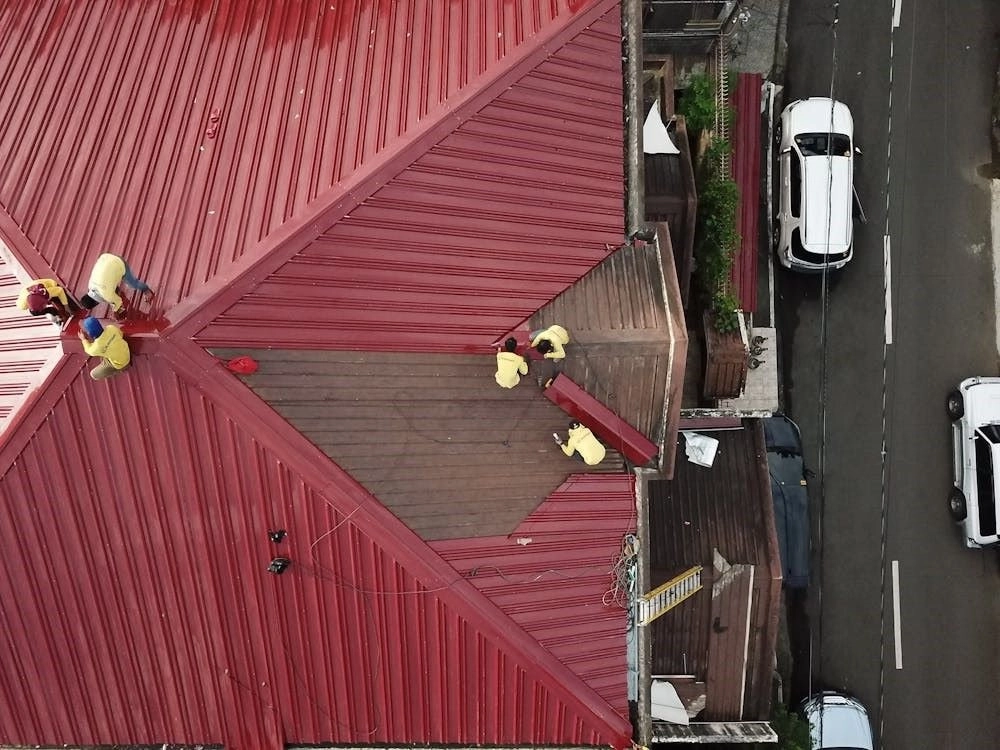
On the Front Range, the choice between roof repair and roof replacement routinely comes down to three numbers: the age of the roof, the size of the damaged area, and what an insurance adjuster is willing to pay. If the roof is under 12 years old and the damage covers less than a third of one slope, repair is the right call. If the roof is past 18 to 20 years or the damage is spread across multiple slopes after a hailstorm, replacement almost always costs less over the next five years than a string of repairs.
Why Colorado roofs age faster than roofs in milder climates
A Front Range roof carries four stresses most U.S. roofs never see together in one year. Hail season runs mid-April through mid-September, and Colorado insurers process some of the highest volumes of hail claims in the country. Ultraviolet exposure is stronger at altitude — Denver sits at 5,280 feet, and UV intensity climbs with elevation, breaking down the asphalt oils in shingles faster than at sea level. Freeze-thaw cycling repeats dozens of times each winter as afternoon sun melts snow that refreezes overnight, forcing water into any crack and widening it. Add wind gusts that regularly top 60 mph on the plains east of Denver and in Colorado Springs, and a 25-year shingle rated for a milder climate frequently needs attention by year 15 to 18 here.
Signs your roof needs immediate attention
- Asphalt bruises and dented metal. Hail knocks off protective granules, exposing dark spots and weakening shingles, and it dents vents, flashing and gutters.
- Torn or flapping shingles. Wind loosens or tears shingles; a loose shingle left unfixed for one more storm frequently means a full slope of repair instead of a spot fix.
- Sagging or bowing decking. This signals structural moisture damage underneath, not just surface wear, and needs a contractor on the roof within days, not months.
- Granule loss in the gutters. A handful of granules after a storm is normal; gutters filled with granules after every rain means the shingle surface is gone.
- Moss or algae streaking on north-facing slopes. Colorado's dry air keeps this rarer than in wetter states, but it shows up on shaded roofs near mature trees in Denver's older neighborhoods and signals trapped moisture.
Repair vs. replacement: the factors that decide it
- Extent of damage. A repair covering one or two shingles or a single flashing point makes sense. Damage across more than 30% of one slope, or damage on multiple slopes, routinely crosses the line into a full tear-off, because matching discontinued shingle lines gets harder every year.
- Roof age. Asphalt shingle roofs on the Front Range commonly run 18 to 25 years before granule loss and brittleness set in. A roof at year 17 that takes hail damage is a replacement candidate even if the visible damage looks minor, because the underlying material is already near the end of its service life.
- Repair cost stacking. Spot repairs in the Denver metro run roughly $400 to $1,500 per visit depending on access and material. Three or four repairs inside of five years frequently add up to more than half the cost of a full tear-off and replacement, which runs roughly $9,000 to $18,000 for a typical 2,000 to 2,800 square foot Front Range roof with asphalt shingles, more for tile, metal or steep, complex rooflines.
- Insurance coverage. Colorado homeowners policies commonly carry a separate wind and hail deductible, frequently a percentage of the dwelling coverage (commonly 1% to 5%) rather than a flat dollar amount. Check that number before assuming a claim is worth filing on a smaller repair.
- Claim timing. Most Colorado carriers require notice of hail or wind damage within one year of the storm date, and some policies shorten that window further. Photograph damage and call your insurer soon after a hailstorm, even if you plan to wait on the repair.
- Permits and HOA review. Denver, Aurora, Colorado Springs, Lakewood and most Front Range cities require a building permit for a full roof replacement; unincorporated Arapahoe, Douglas and Jefferson County have their own permit desks. If a home sits inside an HOA or metro district, get the roof color and material approved before the crew shows up — HRCA and similar Front Range associations run architectural review on roof changes.
Class 4 shingles: worth the upgrade cost
Class 4 is the highest impact-resistance rating a roofing material can carry, tested by dropping a steel ball to simulate hail. Class 4 asphalt shingles cost roughly 10% to 20% more than standard architectural shingles, and many Colorado home insurers price a premium discount for them — ask your carrier for the exact percentage, since it varies by company and by ZIP code. On a roof that will see a hailstorm within its service life — which describes most of the Front Range — the upgrade commonly pays for itself through fewer claims and a lower annual premium.
If your existing shingles have curled edges or a manufacturer defect and it's tile roof repair specifically you're weighing against a full swap, a roof tile repair specialist can tell you whether individual tiles are replaceable without disturbing the surrounding field — the same logic that applies to asphalt spot repair applies to clay and concrete tile.
What roof condition does to a Colorado home sale
Roof age and condition are one of the most common inspection objection points on a Front Range contract. A buyer's inspector flags granule loss, exposed nail heads, or a roof past 20 years, and the negotiation that follows routinely costs the seller more in a price reduction than the repair would have cost up front. Sellers who replace or fully repair an aging roof before listing commonly see a cleaner inspection period and fewer renegotiations. A Smart Pricing Report from the Kenna Real Estate Group factors roof age and condition into the listing price recommendation, so you know before you list whether repair or disclosure is the smarter move.
If you're financing a purchase that includes roof work — including buyers relocating to Colorado from outside the U.S. who need income documented differently — specialized expat mortgages can fold repair costs into the purchase financing rather than requiring cash at closing; ask your lender whether that structure is available before you sign.
DIY repair vs. hiring a licensed contractor
A handful of tasks — clearing debris, re-sealing an exposed nail head with roofing cement, replacing a single visible shingle — are within reach for a homeowner comfortable on a ladder. Anything involving flashing, valleys, structural decking, or a full slope should go to a licensed, insured Colorado roofing contractor. Get three bids, ask for a Colorado contractor's license number and proof of insurance, and confirm in writing whether the bid includes permit fees and dump/haul-away costs.
Where to go next
- Get a Smart Pricing Report before you list
- See which exterior upgrades add the most resale value
- Colorado hail and roof costs compared
- Roof replacement costs and materials in Colorado
- Why a roof inspection matters before you buy or sell
- Search every home for sale in Colorado
Talk to the Kenna Real Estate Group
Whether you're pricing a home with roof damage, negotiating a repair credit, or budgeting a replacement before you list on the Front Range, the Kenna Real Estate Group can walk the roof with you and put a number on how it affects your sale. Call or text 303-955-4220. A live person answers. Not a robot, not a phone tree. Then search every home for sale in Colorado while the project is fresh in mind.
Homes for sale that match this post
- HOA Rules and Fees Guide in Colorado Springs
- Special Districts Property Tax Guide in Colorado Springs
- Price reduction: guide
- Relocating: guide
- All homes for sale in Colorado Springs
Guides
Questions about any home in Colorado? Call or text 303-955-4220. A live person answers.