Open: Sat 1:00 PM - 3:00 PM
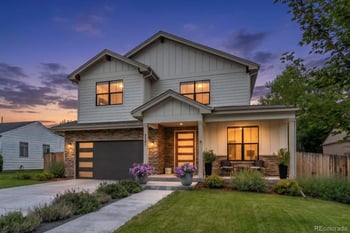
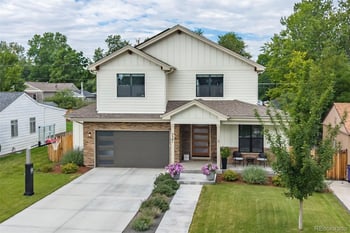
$1,500,000
Coming Soon
5
Beds
4
Baths
3857
Sqft
0.18
Acres
3341 S Fairfax St, Denver, CO 80222
MLS#: REC6269436
.jpg)


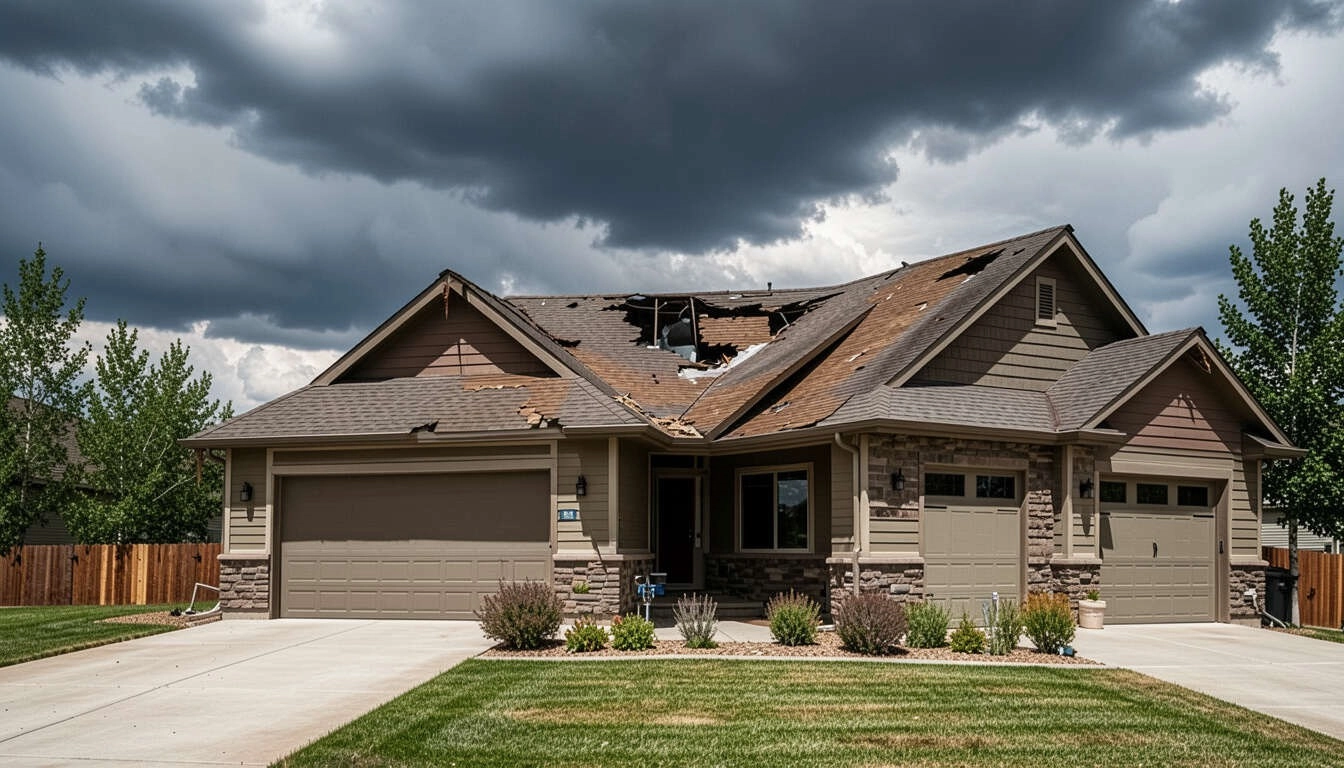
A Colorado roof needs a repair, not a replacement, when the damage is limited to a few shingles, a flashing seam, or a small area of granule loss and the decking underneath is dry. It needs a full replacement when hail has bruised or cracked shingles across the whole field, the roof is past 20 to 25 years old, or more than one layer of shingles is already on the deck. Getting that call right on the Front Range saves thousands of dollars and avoids paying twice.
A roofing contractor inspecting a Denver metro home checks three things: how much of the roof field is affected, how old the shingles already are, and what the decking looks like once a section is pulled back. Isolated wind damage on a 6-year-old roof is a repair $400 to $1,800 depending on the size of the section and whether flashing around a chimney or vent needs replacing too. A roof with granule loss over 40% of its surface, or one that is already 18 years old and gets hit by a hailstorm, is a replacement, $9,000 to $18,000 for a 2,000 to 2,500 square foot home with asphalt shingles.
Get how much money you will need to repair your roof in writing as a line-item estimate before agreeing to anything. A written scope separates the shingle cost, the labor, the flashing and the disposal fee, which makes it easy to compare bids from two or three Front Range roofers.
Shingles that curl at the edges or crack across the middle have lost their oil content from UV exposure. Denver sits at 5,280 feet, where UV intensity runs roughly 25% higher than at sea level, so asphalt shingles here age faster than the same product installed in a lower-elevation state. Missing shingles after a windstorm expose the underlayment and decking to the next rain or snow event and need attention within days, not months.
Granules protect the asphalt layer from UV and impact. Find them collecting in gutters or at the base of downspouts after a storm and check the roof for shiny, bald patches. Heavy granule loss on a roof under 10 years old is a manufacturing or installation defect worth a warranty claim; on a roof past 15 years it is normal wear that points toward replacement within the next one to three years.
Front Range hail season runs from mid-April through mid-September, with June the highest-risk month across the Denver metro, Colorado Springs and the eastern plains. Hail bruises show up as dark, soft circles where the mat under the granules has been crushed even though the shingle has not cracked. Press on a suspected bruise; if it gives slightly, that shingle has failed and will leak once the mat splits. A licensed adjuster or roofer should walk the whole field after any hailstorm over three-quarter-inch stones, even if the roof looks fine from the driveway.
A sagging ridge line, ceiling stains after a storm, or daylight visible through the attic decking are structural signs, not cosmetic ones. These point to compromised decking underneath the shingles, which raises the cost from a shingle-only repair to a tear-off that includes new plywood. Left alone through a Colorado winter, freeze-thaw cycling pushes moisture into the wood, swelling and rotting the deck from the inside.
Two climate patterns do most of the damage on the Front Range. Hail season, mid-April to mid-September, drives direct impact damage and the bulk of homeowners insurance roof claims in the state. The rest of the year, freeze-thaw cycling, where snowmelt seeps into small cracks and refreezes overnight, expands those cracks a little more with every cycle. Add wind gusts that regularly top 50 mph along the foothills and eastern plains, and a Colorado roof works harder than one in a milder climate, which is why local building departments and insurers pay close attention to shingle class and installation quality.
Class 4 shingles pass the highest impact-resistance test insurers recognize, UL 2218, using a 2-inch steel ball dropped from height to simulate large hail. Many Colorado insurers, including major carriers writing Front Range homeowners policies, discount premiums by 10% to 35% for a Class 4 roof, and some communities that got hit hard by hail now require Class 4 shingles on any new roof. Ask your roofer for the manufacturer's Class 4 certification and confirm the discount with your insurance agent before the work starts, since the paperwork has to match the shingle brand and model installed.
| Deductible type | Typical Colorado range | What it means |
|---|---|---|
| Standard dollar deductible | $1,000 to $2,500 | Flat amount you pay before insurance pays the rest |
| Percentage wind/hail deductible | 1% to 3% of dwelling coverage | On a $500,000 dwelling limit, $5,000 to $15,000 out of pocket |
| Class 4 shingle discount | 10% to 35% off premium | Ongoing annual savings, not a one-time credit |
Many Front Range policies switched from a flat dollar deductible to a percentage wind/hail deductible after the state's hail losses climbed. Pull your declarations page and confirm which type applies before you assume a claim will cover most of a new roof.
Most Denver metro HOAs, including planned communities in Highlands Ranch, Castle Rock and Centennial, require architectural review before a shingle color or material changes, even for a like-for-like replacement after hail. Submit the shingle sample and manufacturer spec sheet with your application and expect a one to three week turnaround. Denver, Aurora, Lakewood and Colorado Springs all require a roofing permit and a final inspection for a full replacement; a repair under a set square footage threshold in most of these cities does not need one, but confirm with your city's building department before work starts, since thresholds vary by jurisdiction.
Buyers and their lenders both look hard at roof age. A roof under 10 years old with no open hail claim is a non-issue in a Colorado purchase contract. A roof past 15 to 20 years, or one with visible hail damage, routinely becomes a repair request during the inspection objection period, and some lenders will flag an older roof during the appraisal, which can delay closing. Sellers who get ahead of it, either with a pre-listing roof certification or by completing the repair before the home goes live, avoid a renegotiation in the middle of a transaction. See Preparing and Adding Value Before Selling for what to fix before you list and Pricing Your Colorado Home to Sell for how a Smart Pricing Report accounts for roof condition in the number.
The Kenna Real Estate Group helps Front Range sellers decide whether a roof needs a repair or a full replacement before it becomes a buyer's negotiating point, and helps buyers read a roof's age and condition into their offer. Call or text 303-955-4220. A live person answers. Not a robot, not a phone tree. Or search every home for sale in Colorado right now.
Questions about any home in Colorado? Call or text 303-955-4220. A live person answers.
A handful of isolated dents on a roof under 10 years old is a repair. Bruising spread across most of the field, or a roof already past 15 to 20 years means replacement is the more cost-effective choice.
Mid-April through mid-September, with June carrying the highest storm frequency across the Denver metro, Colorado Springs and the eastern plains.
Many Colorado insurers discount premiums 10% to 35% for a certified Class 4 roof. Confirm the exact discount and required paperwork with your agent before the shingles go on.
Instead of a flat dollar amount, you pay a percentage of your dwelling coverage, 1% to 3%. On a $500,000 dwelling limit that is $5,000 to $15,000 before insurance pays the balance.
Most Front Range HOAs require architectural review of the shingle color and material before work starts, even for a like-for-like replacement after storm damage. Submit the spec sheet and expect one to three weeks for approval.
Denver, Aurora, Lakewood and Colorado Springs all require a permit and final inspection for a full roof replacement. Confirm your city's repair-size threshold before assuming a small job is exempt.
A roof past 15 to 20 years, or one with open hail damage, commonly turns into a buyer repair request during the inspection objection period. Fixing it before listing avoids renegotiating mid-contract.
$9,000 to $18,000 for a 2,000 to 2,500 square foot asphalt shingle roof, depending on pitch, material and whether decking needs to be replaced.