.jpg)


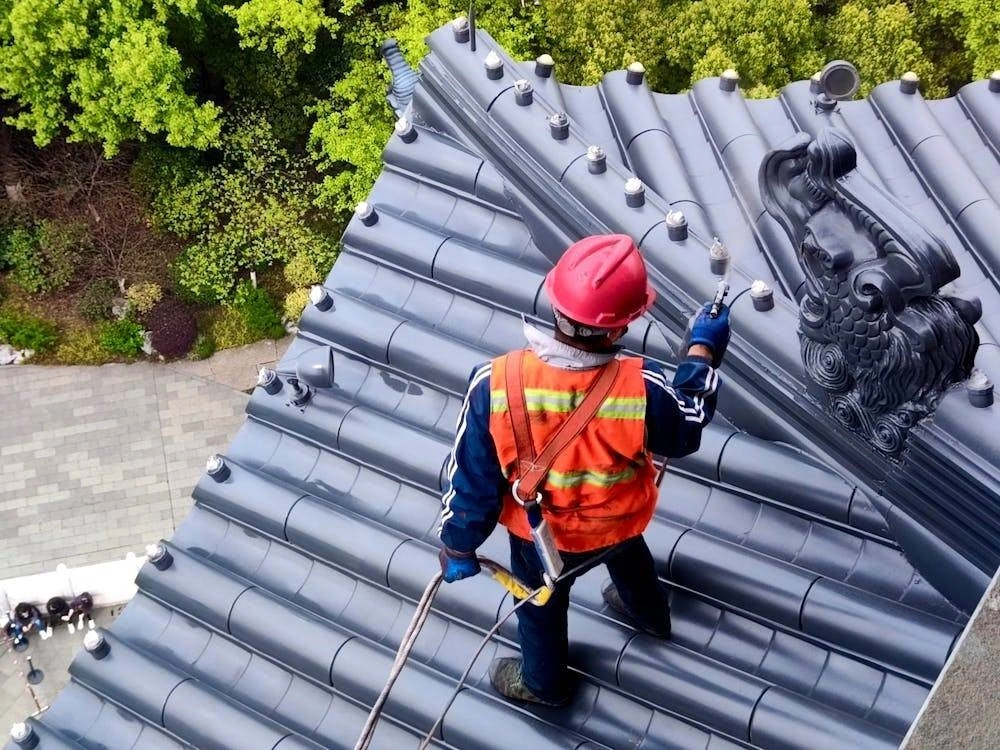
A Colorado roof rarely fails all at once. It shows small signs first, most commonly right after a hailstorm or a hard freeze-thaw stretch, and catching those signs early keeps a $500 repair from turning into a $6,000 deck replacement. Here is what to check and when to call a professional.
Granule loss in the gutters
Asphalt shingles shed a small amount of granule as they age, but a heavy buildup of granules in the gutters or at downspout outlets after a storm signals accelerated wear from hail impact or UV breakdown. Check gutters after every hail event during the mid-April to mid-September season.
Curling, cracking or missing shingles
Shingle edges that curl upward or corners that crack indicate the asphalt has dried out, a process UV exposure at 5,280 feet speeds up compared to sea-level climates, covered in more depth in what affects roof lifespan in Colorado. A single missing shingle after a windstorm is a quick repair; several in a cluster suggest wind or hail damage worth a full roof check.
Dark streaks and stains
Dark streaking on a north-facing slope is commonly algae growth and mostly cosmetic, but brown or yellow staining inside the attic or on a ceiling below the roof line points to an active leak that needs same-week attention, especially heading into a Colorado winter.
What to check from the attic
On a bright day, daylight visible through the roof deck from inside the attic marks a gap that needs sealing. Look also for damp insulation, dark spotting on the underside of the deck, and any rusted nail tips, all early leak indicators before a ceiling stain ever appears; the full walk-through is in how to inspect a shingle roof in Colorado.
Ice dams forming at the eaves
An ice dam forms when attic heat melts snow on the upper roof and the meltwater refreezes at the colder eaves, building a ridge of ice that backs water up under the shingles. Icicles at the gutter line combined with warm patches on the roof (visible as bare spots in fresh snow) are the earliest sign; browse every home for sale in Colorado to compare roof and attic condition across current listings.
| Sign | Probable cause | Typical Front Range repair cost |
|---|---|---|
| Heavy granule loss | Hail impact or UV aging | $400 - $1,200 (repair) or full replacement |
| Curling/missing shingles | Age, wind, hail | $300 - $900 |
| Attic daylight or damp insulation | Deck gap, flashing failure | $400 - $1,500 |
| Ice dam with active leak | Poor attic ventilation/insulation | $500 - $2,000 plus ventilation fix |
Freeze-thaw as a repeat offender
Colorado's freeze-thaw pattern repeats dozens of times each winter, and any small gap that trapped water during a thaw expands when it refreezes overnight, the same freeze-thaw exposure covered in weatherproofing your home for the Colorado climate. A roof that seemed fine in October can develop a leak by February purely from this cycle working on an already-weak spot.
Repair or full replacement?
A roof under 12 years old with isolated damage is the more affordable repair candidate. A roof over 15 years old with damage spread across multiple slopes, or a roof that has already had two or more repair visits in three years, is a stronger case for full replacement, since the labor cost of repeated repairs adds up against a new roof's cost, the same comparison covered in Colorado hail and roof cost comparison.
What this means for a Colorado home inspection
Buyers' inspectors in Colorado check the same signs: granule loss, deck sag, attic moisture and flashing condition. A seller who addresses visible signs before listing avoids a roof-driven value hit during the inspection objection period.
HVAC vents and flashing confusion
Not every attic stain is a roof leak. Condensation from poorly insulated HVAC vents passing through an unconditioned attic mimics a roof leak stain; a roofer or inspector should check both the flashing around the vent boot and the duct insulation before assuming the roof itself failed.
Filing a claim after storm damage
Colorado insurance policies commonly set a claim filing window of about one year from the date of loss, but the exact deadline is on the policy declarations page, not set by state law. Photograph damage the same week a hailstorm hits, before granule wash-off makes assessment harder.
Homeowners doing a first pass themselves should stay off the roof and use binoculars or a zoom camera from the ground; general guidance on a leaking roof covers the basic triage steps, and a licensed roof repair and maintenance contractor should handle anything beyond a visual check.
Soft spots and sagging: what to check from inside
Walk the attic floor along the rafters, not between them, and note any give underfoot near valleys or penetrations; a soft deck there signals sustained moisture intrusion, not a single recent leak. A sagging ridge line visible from the street, even a slight one, points to structural deck damage that needs a contractor's assessment before any cosmetic repair.
Chimney and skylight leak signs specifically
Chimneys and skylights account for a disproportionate share of Front Range roof leaks because the flashing around them has more seams than the open shingle field. Check for rust streaks below the chimney flashing, gaps where the flashing meets the brick or siding, and any water staining on the skylight's interior frame. Reseal or replace flashing at the first sign of a gap, before the next freeze-thaw cycle widens it.
When a storm-chasing contractor makes things worse
Door-to-door contractors who appear immediately after a hailstorm sometimes push a same-day contract before a homeowner gets an independent estimate. Get a second, local, licensed opinion before signing anything; a legitimate Front Range roofer with a permanent local address and verifiable references will not pressure a same-day signature. Ask for the contractor's Colorado business address and check it against a state business registration before signing.
Checking the attic without going on the roof
An attic check needs no ladder time on the roof itself: pull down the attic access, bring a flashlight, and look for daylight through the deck, damp or discolored insulation, and rust on any exposed nail tips. Do this check twice a year and again within a few days of any hailstorm large enough to leave dents on parked cars or patio furniture.
What to do the same day damage is found
Photograph every affected area with a wide shot and a close-up, note the date, and cover any active interior leak with a tarp or bucket to limit further damage while scheduling a professional look. A quick, well-documented response protects both the insurance claim and the eventual repair estimate.
Tracking repairs over the life of a roof
Keep every repair invoice and photo in one folder, by date, for the life of the roof. That record shows a pattern of maintenance to a future buyer's inspector and to an insurance adjuster reviewing a new claim, both of which weigh a documented maintenance history more favorably than an undocumented one.
Where to go next
- How to inspect a shingle roof in Colorado
- What affects roof lifespan in Colorado
- Inspection red flags that kill Denver home sales
- Preparing and adding value before selling
- Search every home for sale in Colorado
Talk to the Kenna Real Estate Group
A roof with unresolved damage changes how a Colorado home shows and how it appraises, and the Kenna Real Estate Group walks sellers and buyers through what a repair estimate means for price before it becomes a negotiation problem. Call or text 303-955-4220. A live person answers. Not a robot, not a phone tree. Then search every home for sale in Colorado while the roof work is fresh in mind.
Homes for sale that match this post
Guides
Questions about any home in Colorado? Call or text 303-955-4220. A live person answers.