.jpg)


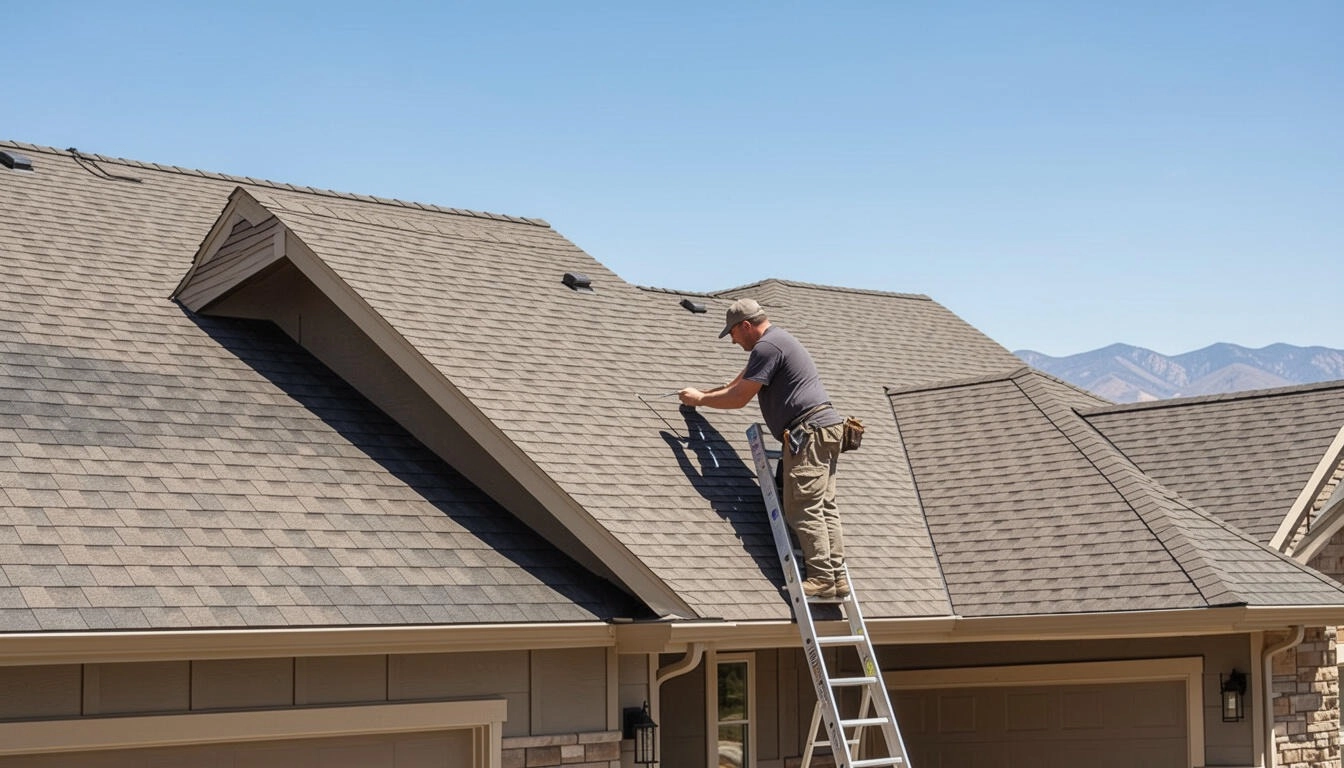
A shingle roof inspection in Colorado has to account for two things most states don't: hail season and altitude-accelerated UV wear. Whether the goal is routine maintenance, an insurance claim, or getting a home ready to list, the checklist is largely the same, just with different urgency behind it.
When to inspect a Front Range roof
Inspect once in spring before hail season starts in mid-April, and again in fall after hail season ends in mid-September and before the first hard freeze. A third check after any hailstorm with stones a half-inch or larger catches damage while it is still easy to document; browse every home for sale in Colorado to see how inspection condition affects current listing prices.
Ground-level checks first
Start from the ground with binoculars or a zoom camera lens: look for missing or lifted shingles, exposed felt or deck, sagging rooflines, and granule buildup in the gutters and at downspout outlets. This first pass identifies whether a closer look is even needed; the full ground-level routine is covered in spotting roof damage without a ladder.
What a professional inspector checks up close
A licensed roof inspector checks shingle granule adhesion, soft spots in the decking underfoot, flashing seals at every chimney, vent and skylight penetration, and the condition of the ridge cap. They also check attic-side conditions: insulation moisture, deck staining, and ventilation baffles.
Flashing: the most common failure point
Flashing around chimneys, skylights, vent pipes and roof-to-wall transitions fails before the shingle field itself in most cases, because sealant dries out faster than shingles under the same UV and freeze-thaw stress. Check these points every inspection even when the shingle field looks fine.
Signs of hail damage specifically
Hail bruises look like dark, circular soft spots where granules are knocked loose without necessarily breaking through the shingle mat. Run a hand over suspect areas; a bruise feels slightly soft compared to surrounding shingle. Metal flashing, vents and gutters showing dents confirm hail was large enough to matter structurally, the same signs described in signs your Colorado roof needs repair.
| Inspection type | Typical Denver metro cost | Best timing |
|---|---|---|
| Homeowner ground/attic check | Free | Spring and fall, plus after storms |
| Professional roof inspection | $150 - $400 | Before hail season or before listing |
| Insurance adjuster inspection | Included in claim | Within claim filing window |
| Drone inspection | $150 - $350 | Steep or hard-to-access roofs |
Drone inspections
Drone photography documents a full roof surface without a technician walking a steep or fragile roof, and it produces dated, timestamped images useful for an insurance claim. It works best alongside, not instead of, a physical check for soft decking that only foot pressure reveals.
Documenting for an insurance claim
Photograph the full roof from multiple angles, close-up shots of individual damage points with a coin or ruler for scale, and any interior water staining, all dated. Colorado insurance policies commonly allow about a year from the date of loss to file a hail or wind claim; check the declarations page for the exact deadline.
A pre-listing inspection for Colorado sellers
A seller ordering a roof inspection before listing gets ahead of the buyer's inspector and can address any findings on their own contractor's timeline rather than the buyer's objection deadline, part of the full Colorado seller's guide. The report also supports the list price when the roof is in strong condition.
What a buyer's inspection report includes
A Colorado buyer's general inspection covers the roof as part of the full report, noting material, approximate age, visible damage, and flashing condition, and a general inspector routinely recommends a roofing specialist for anything beyond a visual check, especially on steep or multi-layer roofs, the same items covered in what every Colorado buyer should inspect before closing.
Right after finding damage
Photograph it, note the date, and get a written estimate from a licensed roofer before filing a claim so the adjuster's assessment has something to compare against. Avoid signing a contract with a door-to-door storm chaser before getting an independent second opinion, and see Colorado hail and roof cost comparison for what a fair estimate looks like.
For homeowners doing their own first pass, a checklist of common signs during your roof inspection from a licensed contractor covers the same ground-level and attic checks described here, formatted as a walk-through.
What a written inspection report should include
A useful roof inspection report lists the roof's material, approximate age, overall condition rating, specific findings by location (which slope, which flashing point), dated photos, and a clear recommendation: monitor, repair or replace. A report without dated photos is far less useful for an insurance claim or a future buyer.
Inspecting a roof after buying versus before selling
A buyer's inspection focuses on disclosure: what exists today and what it will cost to fix. A seller's pre-listing inspection focuses on strategy: what to fix now versus what to disclose and price around. The checklist is the same; the decision each report drives is different.
Spring versus fall inspection differences
A spring inspection checks for winter freeze-thaw damage and confirms the roof is ready for hail season, with extra attention to flashing seals that dried out over a cold winter. A fall inspection checks for hail-season damage accumulated over the summer and confirms ventilation is ready to prevent ice dams once snow starts falling.
Reading a report before a purchase decision
A buyer reviewing an inspection report on a Colorado home should separate active structural and moisture concerns from cosmetic wear, and price the roof's remaining life into the offer or the repair request rather than walking away over a roof with 10-plus years of life left and only minor wear noted.
Hiring the right inspector for the job
A general home inspector covers the roof as part of a full-house report; a roofing-specific inspector or a licensed roofer gives a deeper, material-specific assessment when the general report flags a concern. For a pre-listing check on an older roof, go straight to the roofing specialist and skip the extra step.
Inspecting flat and low-slope roofs
Flat and low-slope roofs common on additions, garages and some ranch-style Front Range homes use membrane or built-up roofing instead of shingles, and they need a different inspection focus: ponding water, membrane seam separation, and drain condition rather than granule loss. A specialist familiar with flat roofing should inspect these separately from the main shingle roof, even on the same house, since the two systems age on different timelines.
Multi-layer roofs and older Front Range homes
Some older Denver metro homes carry two layers of shingles from a prior repair that skipped a full tear-off. Most Front Range building codes cap roofs at two layers before a full tear-off is required at the next replacement, which adds cost and disposal fees an inspection report should flag ahead of a sale so the number does not surprise a buyer later. A roofer can confirm layer count with a quick probe at the eave during the same visit as the rest of the inspection.
Where to go next
- Signs your Colorado roof needs repair
- What every Colorado buyer should inspect before closing
- Inspection red flags that kill Denver home sales
- How to sell a house in Colorado
- Search every home for sale in Colorado
Talk to the Kenna Real Estate Group
An inspection finding on the roof changes a Colorado negotiation fast, and the Kenna Real Estate Group helps both buyers and sellers read the report correctly and decide what is worth negotiating and what isn't. Call or text 303-955-4220. A live person answers. Not a robot, not a phone tree. Then search every home for sale in Colorado while the roof work is fresh in mind.
Homes for sale that match this post
Guides
Questions about any home in Colorado? Call or text 303-955-4220. A live person answers.