New - 9 Hours Ago
$504,999
Active
4
Beds
3
Baths
2068
Sqft
0.2762
Acres
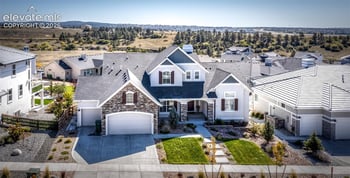
7454 Waterside Dr, Colorado Springs, CO 80925
MLS#: 6565764
.jpg)



Insulated windows stop the cold that pools near single-pane glass on a Front Range winter night, and they show up as a lower number on the December heating bill. Denver, Aurora, Fort Collins and Colorado Springs homes routinely swing 40 degrees between morning and afternoon, and the glass is the first place a house loses that fight.
Here is what an insulated window costs installed, what Colorado's altitude and dry air do to the decision, and what a buyer's inspector looks for when a Front Range home changes hands.
A standard vinyl double-pane insulated window installed in a Denver-area home runs roughly $600 to $1,200 per window, with wood or fiberglass frames and larger openings priced higher. A full-house replacement on a 2,000 sq ft home lands between $12,000 and $24,000 depending on frame material, glass package and how many openings need to change size.
Insulated glass uses two or three panes separated by an air or argon gas gap, with a low-emissivity coating on one surface. The gap slows heat transfer through the glass, the coating reflects interior heat back into the room in winter and blocks ultraviolet rays in summer. That combination is why an insulated window feels warmer to stand next to than a single pane, even at the same room temperature.
Yes. A single-pane or aging double-pane window flexes with each freeze-thaw cycle, and the seal around the glass is the first part to fail. A failed seal shows up as fog or moisture between the panes, and once that happens the insulating gas is gone and the window performs like single glass. A frame and seal rated for a wide daily temperature range holds up better than a budget unit built for a milder climate.
Denver's builders and window installers spec a U-factor of 0.30 or lower for the Front Range climate zone, paired with a low-E coating tuned for high-altitude ultraviolet exposure. Colorado gets close to 300 days of sun a year, and the UV intensity at altitude fades floors, paint and furniture faster than it would at sea level, so the coating matters as much as the insulating gap.
Xcel Energy runs a home energy-efficiency rebate program that includes insulation and, at times, window upgrades for qualifying homes. Rebate categories and amounts change from year to year, so a homeowner checks the current program details directly with Xcel before signing a contract, and confirms with the installer whether the specific product qualifies.
A like-for-like window replacement that keeps the same opening size does not trigger a Denver building permit. A project that changes the size of the opening, adds an egress window in a basement bedroom, or touches a load-bearing wall needs a permit from the city or county building department before work starts. Requirements differ by city, so Aurora, Lakewood, Littleton and Colorado Springs homeowners confirm with their own building department.
Most Front Range HOAs and metro districts have an architectural review process that covers exterior window frame color, grid pattern and trim material, even when the glass itself is not regulated. Submit the product spec sheet before ordering, because a rejected color choice after installation is an expensive redo.
Hail season on the Front Range runs from spring through September, and standard insulated glass takes a direct hail hit the same way any window does. Impact-rated or laminated glass options add a resin interlayer that resists cracking and holds the pane together if it does break, which some insurers price with a lower premium. A homeowner buying new windows before hail season asks the installer about impact-rated upgrades for west- and north-facing exposures.
Low humidity on the Front Range dries out old glazing putty, weatherstripping and caulk faster than a wetter climate would. Gaps that open up from dried-out seals let conditioned air escape year-round, not only in winter, which is one reason a 20-year-old window in Denver can underperform its rated efficiency well before the glass itself fails.
Replacing single-pane or failed-seal double-pane windows with a current insulated package reduces heating and cooling costs, and the reduction is largest in homes built before the 1990s that still carry their original glass. The exact savings depend on the home's insulation, furnace efficiency and how many openings get replaced, so an energy audit before the project gives a homeowner a real number instead of a guess.
A single-story Denver-area home with 15 to 20 windows takes one to three days for installation once the custom units arrive, and the units themselves take four to eight weeks to manufacture and ship after ordering. A homeowner planning to list before a specific date orders early rather than waiting for the coldest week of the year.
Laminated glass, thicker panes and a wider air gap all reduce sound transmission, which matters on Front Range corridors near I-25, I-70, Colfax and other high-traffic streets. A homeowner shopping specifically for noise reduction asks for the Sound Transmission Class rating on the glass package, not just the U-factor.
Colorado's Seller's Property Disclosure form asks directly about known window and door defects, including leaks, broken seals and non-functioning locks or latches. A seller who knows about a fogged pane or a window that will not open discloses it; hiding a known defect creates liability after closing.
Yes. Inspectors note fogged or failed seals, missing or damaged screens, non-functioning locks, and windows that will not open or close, and a buyer can raise any of those items during the inspection objection period set in the contract. Fogged double-pane glass is one of the most common line items on a Front Range inspection report for homes built before the 2000s.
Buyers touring a home mentally subtract the cost of deferred maintenance from their offer, and old, drafty or fogged windows are an easy item to spot in five minutes. Replacing them before listing removes that subtraction and lets a Front Range home compete on the parts of the price sheet a seller controls: condition and presentation, not just square footage.
The Kenna Real Estate Group walks Front Range sellers through which pre-listing upgrades a Denver metro buyer actually pays for, window replacement included, and points buyers to inspection items worth negotiating before closing. Call or text 303-955-4220. A live person answers. Not a robot, not a phone tree. Ready to look now? Search every home for sale in Colorado.
Questions about any home in Colorado? Call or text 303-955-4220. A live person answers.
A standard double-pane vinyl window installed runs $600 to $1,200 per opening, with a whole-house project on a 2,000 sq ft home landing between $12,000 and $24,000.
Local installers recommend a U-factor of 0.30 or lower with a low-E coating rated for high-altitude UV exposure.
Xcel Energy runs an efficiency rebate program that has included window and insulation categories; current amounts and eligibility change year to year, so confirm with Xcel before ordering.
A same-size replacement does not need a permit in most Front Range cities; changing the opening size or adding a basement egress window does, and requirements vary by city.
Most Front Range HOAs and metro districts review exterior frame color and trim before installation, so submit the spec sheet ahead of ordering.
Yes, fogged or failed seals are one of the most common items inspectors flag on Front Range homes built before the 2000s, and a buyer can raise it during the inspection objection period.
Impact-rated or laminated glass resists cracking better than standard insulated glass during the spring-through-September hail season, and some insurers price that upgrade with a lower premium.
Replacing drafty, fogged or non-functioning windows before listing removes an easy deduction from a buyer's mental offer and reduces items a Front Range inspector will flag.