New - 14 Hours Ago
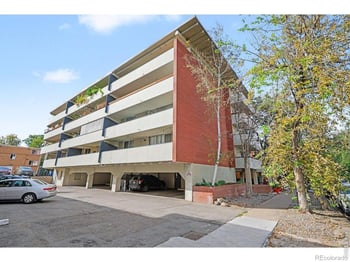
$220,000
Active
1
Beds
1
Baths
668
Sqft
--
Acres
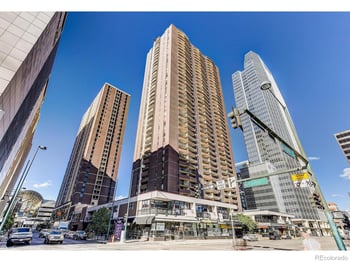
1267 N Lafayette St #302, Denver, CO 80218
MLS#: RECIR1070056
.jpg)


Decorative ceiling tiles work in a Front Range basement when three things line up: the popcorn ceiling being covered or removed has been checked for asbestos if the home predates 1980, the tile material is rated for a below-grade room where moisture can spike, and the finished ceiling height still meets the local building code. Get those three right and a ceiling tile upgrade is one of the fastest ways to change how a basement reads to a buyer.
Denver, Aurora, Lakewood, Littleton, Colorado Springs and Fort Collins each inspect finished basements under their own building department, and each cares about the same three things: egress, ceiling height and moisture control at the foundation wall.
A drop-in grid ceiling or adhesive tile panel installed on its own, with no new electrical or framing, is commonly treated as a finish upgrade and does not need a separate permit. If the project is part of a larger basement finish that adds electrical, a bedroom, or new framed walls, the whole project needs a permit, and the ceiling is inspected as part of that finish along with egress window size and smoke detector placement.
Homes built before 1980 in the Denver metro can have popcorn or textured ceiling finishes that contain asbestos. Before scraping, sanding or removing that texture to install a new ceiling tile system, have a sample tested by a certified lab. A drop-in grid or adhesive panel installs directly over the existing texture without disturbing it, which avoids the removal question entirely and is the simpler path in many older Front Range homes.
Low indoor humidity during the heating season slows the cure time on some adhesives and can cause certain foam or PVC panel seams to show more than they would in a humid climate. Acclimate tile panels in the room for 24 to 48 hours before installation, as the manufacturer's instructions specify, so the material expands or contracts to the room's actual humidity before it's fixed in place.
Front Range basements sit against expansive clay soil that swells with spring moisture, and even a well-drained foundation sees seasonal humidity swings below grade.
| Material | Moisture performance | Best use |
|---|---|---|
| Mineral fiber drop-in tile | Resists humidity; some styles are mold-rated | Full basement ceilings, mechanicals access |
| PVC panel | Fully moisture-resistant | Utility rooms, areas near sump pumps |
| Tin-look metal tile | Moisture-resistant; needs rust-resistant coating | Accent ceilings, bar or media areas |
| Fiberboard or wood-look panel | Absorbs moisture if humidity is high | Dry, finished living areas only |
A drop grid that stays accessible for plumbing and electrical is the standard Front Range buyers expect in a finished basement, because it signals the mechanicals stay reachable without cutting drywall. A fully drywalled, textured ceiling looks finished but makes a future repair more expensive, and buyers touring homes with finished basements pick up on that difference during a showing.
Front Range buyers consistently ask about finished basement square footage, and a ceiling upgrade is part of what makes a basement present as finished living space instead of storage. Paired with flooring and lighting, a ceiling tile swap is a lower-cost way to move a basement from "unfinished" to "finished" in a listing description, which changes which buyers see the home in a search filter. See our guide to marketing a Colorado home to sell for how finished square footage gets presented to buyers.
Altitude itself does not change acoustic performance, but Front Range homes with forced-air furnaces routed through basement ceiling joists benefit from an acoustic or insulated tile where sound transfer between floors matters, such as under a primary bedroom. Ask for an NRC (noise reduction coefficient) rating on the tile if sound control is a priority.
| System | Typical material cost | Best for |
|---|---|---|
| Mineral fiber drop-in grid | $2 to $6 per sq ft | Full basement remodels, mechanical access |
| PVC adhesive panel | $3 to $8 per sq ft | Utility areas, higher-moisture rooms |
| Tin-look metal tile | $6 to $15 per sq ft | Accent ceilings, media rooms, bars |
Installation labor adds to those material costs and varies with how much grid framing or furring the ceiling needs first; get a quote from a local Front Range contractor for your basement's specific joist layout and mechanicals.
When a ceiling tile installation is part of a larger permitted basement finish, the inspector checks egress window size in any room used as a bedroom, smoke and carbon monoxide detector placement, and ceiling height throughout the finished space, in addition to the electrical and framing work. The ceiling material itself is rarely the focus; access to shutoffs and mechanicals behind it is. Keep a copy of the approved permit and final inspection sign-off with your home's records, since a buyer's agent will ask for it during a future sale.
A coat of ceiling-rated paint refreshes an older acoustic drop-grid ceiling in reasonable condition, which is a lower-cost option for a basement being updated for resale rather than personal renovation. Painting only makes sense when the tile isn't water-stained, sagging or showing signs of past moisture intrusion from the foundation; a stained tile is a sign to investigate the source of the moisture before covering it up with paint.
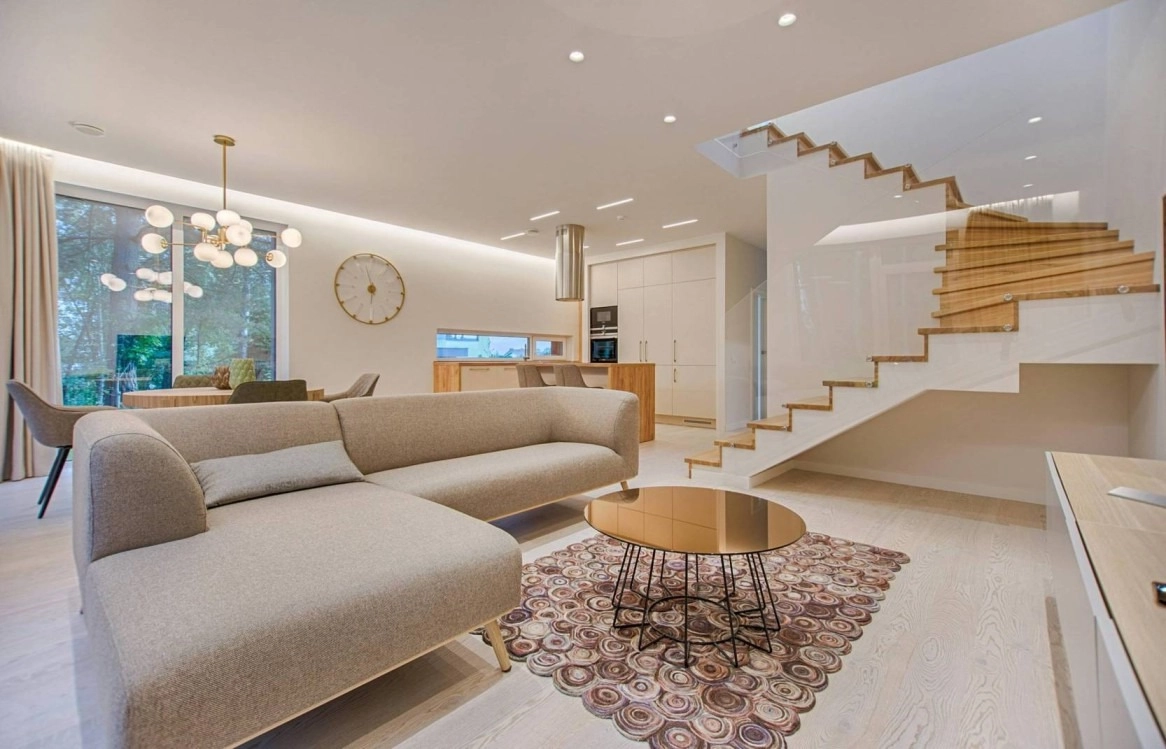
Recessed LED lighting integrated into a drop grid, rather than surface-mounted fixtures, gives a Front Range basement a more finished, higher ceiling feel even when the actual clearance is modest. Buyers touring finished basements respond to good lighting as much as the ceiling material itself, since a well-lit basement photographs and shows as genuine living space rather than a converted storage area.
Indirectly, yes. A basement with a history of seasonal moisture intrusion through the foundation wall, common where Front Range clay soil pushes groundwater toward a home after heavy spring rain, needs that moisture source addressed before any ceiling finish goes in above it. A new ceiling tile system installed over an active moisture problem hides the symptom instead of the cause, and it shows up again as a stain or a musty smell within a season or two.
If a finished basement is part of your plan to sell or you're touring Front Range homes with basements that need work, the Kenna Real Estate Group can walk through what buyers in your price band actually expect. Call or text 303-955-4220. A live person answers. Not a robot, not a phone tree. Or search every home for sale in Colorado.
Questions about any home in Colorado? Call or text 303-955-4220. A live person answers.
No. Drop-in grid systems and many adhesive panels can install directly over an existing textured ceiling, which avoids disturbing a surface that needs asbestos testing in a pre-1980 home before removal.
Local building codes set minimum finished ceiling heights for habitable basement rooms; check with your city or county building department for the exact number before framing a drop grid.
Some mineral fiber and PVC tiles are rated for high-moisture use; check the manufacturer's moisture and mold rating before installing in a basement near a sump pump or bathroom.
Cost depends on material and basement size; PVC and mineral fiber drop panels commonly run lower per square foot than tin-look metal tile, so get quotes from a local installer for your specific footage.
Drop-in grid systems are a common DIY project; adhesive and tin-look panels require more precise layout and are commonly installed by a contractor for a clean seam line.
Not when it's installed cleanly and the room otherwise presents as finished living space; a drop grid's easy access to mechanicals is a plus many buyers notice during a showing.