New - 16 Hours Ago

.jpg)


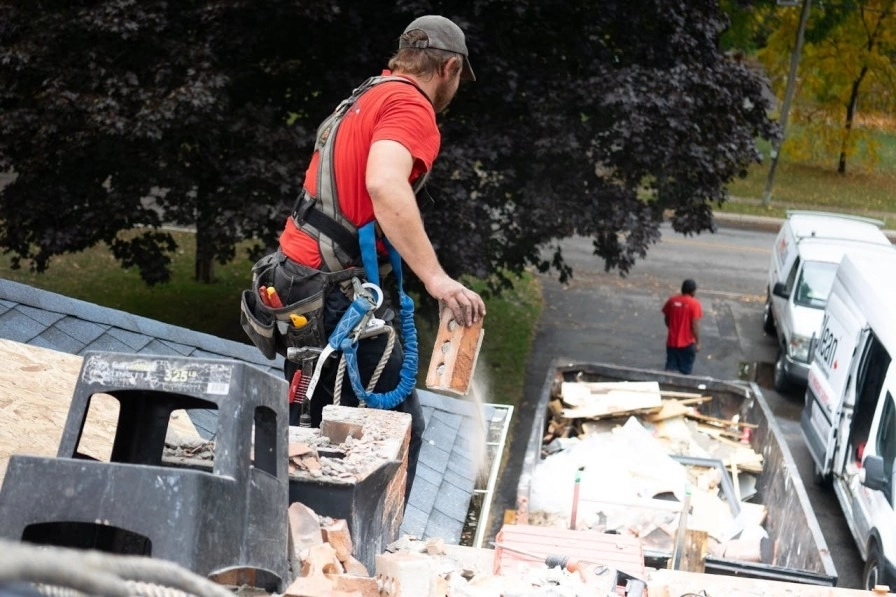
Colorado renters are responsible for day-to-day upkeep and any damage they cause; landlords remain responsible for keeping the unit livable. Knowing where that line falls — and handling the small stuff yourself — is what keeps a security deposit intact at move-out.
A lease can shift some yard or minor-maintenance duties to the tenant, particularly in a single-family rental, so reading that section before move-in avoids a surprise later.
Colorado law requires a rental to meet basic habitability standards: working heat, hot and cold water, weatherproofing, and freedom from serious pest infestation. If a landlord does not address a habitability problem after written notice within a reasonable time, a tenant has legal options under Colorado's warranty of habitability statute, up to and including repair-and-deduct in some circumstances. Documenting every request in writing, with dates and photos, is what makes that process work if it becomes necessary.
Renting a single-family home instead of an apartment shifts basic yard work to the tenant in many leases: mowing, weeding, and watering, unless the lease says otherwise. Front Range yard care carries specific tasks that catch out-of-state renters off guard.
A tenant yard maintenance responsibilities checklist is a useful starting point, though a renter should always confirm the specific duties written into their own lease.
For a single-family rental with an in-ground sprinkler system, the lease should specify who schedules the fall blowout. A line left full of water through the first hard freeze cracks, and a tenant who assumed it was the landlord's job can end up disputing that cost at move-out. Confirming this one task in writing before the first fall in a new rental avoids a common Front Range dispute.
Colorado's most common household pests — mice and voles in fall, miller moths in spring, and wasps in summer — are a landlord's responsibility to address when they represent a genuine infestation rather than an isolated sighting. Reporting a leak, pest sighting or mold spot in writing, the same day it is noticed, creates the record a habitability claim needs and prevents a landlord's delay from becoming the tenant's problem at move-out.
Colorado does not set a single statewide notice period for landlord entry the way some states do, so the lease itself is the primary source for how much notice a landlord owes a tenant before entering, except in a genuine emergency. Reading that clause at move-in, and keeping a copy of the signed lease accessible on a phone or in a shared folder, avoids confusion if a landlord or a maintenance contractor shows up unannounced for a repair.
More detailed apartment maintenance tips cover the room-by-room basics that apply to most rentals, Colorado included.
A landlord's insurance covers the building; it does not cover a tenant's belongings or liability. Renters insurance in Colorado runs $12 to $25 a month for most units and covers a tenant's personal property, additional living expenses after a covered loss, and liability if someone is injured in the unit. Many leases require it as a condition of renting.
Front Range renters should confirm whether a policy covers hail damage to a vehicle parked at the rental, since a standard renters policy covers the unit's contents, not a car in the driveway or a shared lot — that coverage belongs on an auto policy instead.
Colorado law requires a landlord to return a security deposit within one month of move-out, or up to 60 days if the lease specifies a longer period, along with an itemized list of any deductions. A tenant who handled routine maintenance, reported problems in writing, and left the unit professionally cleaned has the strongest position if a deduction is disputed.
Photographing every room, appliance, and existing scuff or crack before moving furniture in gives a renter their own record of the unit's condition on day one. Time-stamped photos, sent to the landlord or property manager by email, create a paper trail that protects both the renter's deposit and their credibility if a habitability issue comes up later in the lease.
The same photos are worth keeping if a habitability complaint ever needs to go beyond a written request — Colorado's process for enforcing the warranty of habitability moves faster with a documented before-and-after record than with a description alone. Storing them in cloud storage rather than only on a single phone protects the full record even if that device is later lost or replaced.
Handling maintenance, watering schedules, and pest reporting is part of the deal for a renter, and it is one of the costs that disappears from a monthly budget once ownership starts building equity instead. For a renter who has been in the same unit for a few years and is current on Colorado's rent trends, running the actual numbers on a starter home is a practical next step. The First-Time Home Buyer Guide for Colorado and Colorado mortgage pre-approval guide both start with what a lender will actually qualify a renter for today.
Whether a reader is renting now and planning a future purchase, or ready to buy instead of renewing a lease, the Kenna Real Estate Group can walk through what ownership would actually cost on the Front Range. Call or text 303-955-4220. A live person answers. Not a robot, not a phone tree. Or search every home for sale in Colorado.
Questions about any home in Colorado? Call or text 303-955-4220. A live person answers.
Structural repairs, working plumbing and heat, pest control for genuine infestations, and keeping the unit compliant with Colorado's habitability standards.
A legal standard requiring a rental to have working heat, hot and cold water, weatherproofing, and freedom from serious pest infestation, with tenant remedies available if a landlord does not fix a documented problem within a reasonable time after written notice.
It depends on the lease. Confirming this before the first fall in a new rental avoids a dispute over a cracked line that resulted from skipping the blowout.
In many Front Range cities, including Denver, a city ordinance requires sidewalks to be cleared within a set number of hours after snowfall, and a single-family lease can assign that duty to the tenant.
Not by state law, but many leases require it as a condition of renting, and it covers a tenant's belongings and liability that a landlord's building policy does not.
One month after move-out by default, or up to 60 days if the lease states a longer period, along with an itemized list of any deductions.
Report a genuine infestation to the landlord in writing the same day it is noticed; mice and voles are common in fall and miller moths pass through in a short spring migration, and both are the landlord's responsibility to address.


