.jpg)


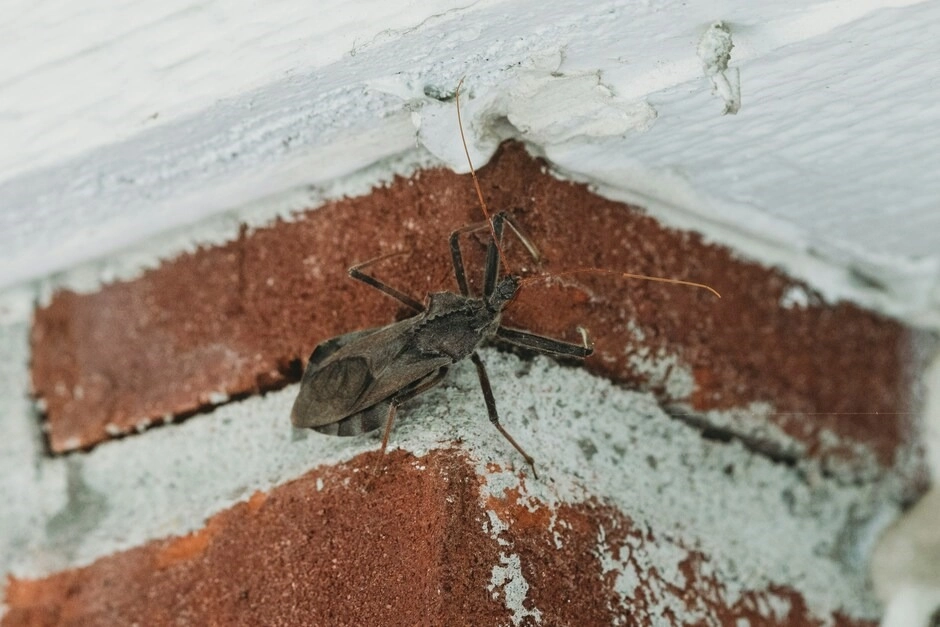
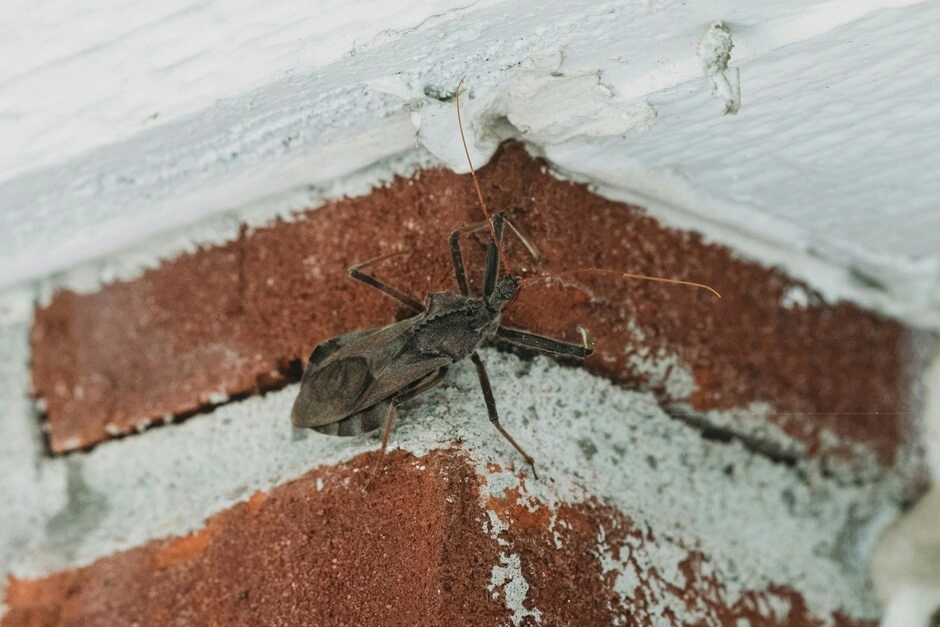
Colorado homes sit at the crossroads of changing seasons, dramatic temperature swings, and varied landscapes. Those conditions shape more than mountain views and curb appeal. They also influence which pests appear, when they show up, and how long they stay.
From snowy winters to dry summers, each season brings a different set of challenges that homeowners often underestimate. Pest activity rarely follows a simple on-and-off cycle.
For buyers and long-term owners alike, understanding these patterns matters. Seasonal pest pressure affects inspections, maintenance planning, and a home's ability to hold its value over time.
Looking at pest risk through a year-round lens helps Colorado homeowners stay ahead rather than react too late.
Why Seasonal Pest Awareness Matters for Homeowners and Buyers
Pest activity in Colorado does not disappear with a change in weather. It shifts. Homes that seem quiet one month can develop issues the next as insects and rodents respond to temperature swings, moisture, and opportunities for shelter.
For homeowners, seasonal awareness supports smarter maintenance decisions. Knowing when pests are most active helps prioritize sealing gaps, managing moisture, and scheduling inspections before problems escalate into damage or costly repairs. Minor timing differences often determine whether an issue stays manageable or spreads unseen.
Buyers benefit just as much. Pest risk influences inspection findings, repair negotiations, and long-term ownership costs. Understanding seasonal patterns provides context when issues appear during a showing or inspection.
Working with a Colorado pest control company during key seasonal transitions allows homeowners and buyers to address active pest pressure through targeted prevention and treatment, rather than guessing whether conditions will worsen. That limits damage, reduces inspection issues, and keeps minor seasonal problems from becoming long-term property concerns.
Spring: The Awakening of Pests After Winter
As temperatures climb and snow starts to melt, pest activity increases quickly across Colorado homes. Insects emerge from winter dormancy, rodents become more mobile, and moisture from thawing ground creates ideal conditions for nesting and feeding. Because this activity often starts off sight, spring infestations can develop before homeowners notice visible signs.
Proactive action in spring helps prevent early movement from becoming widespread problems later in the year. Addressing vulnerabilities now reduces the risk of pests gaining a foothold during warmer months, when control becomes harder.
What to focus on in spring:
- Seal Entry Points: Inspect foundations, siding, and utility penetrations for cracks or gaps opened by winter freeze-thaw cycles.
- Manage Moisture: Clear gutters, improve drainage, and address standing water near the home to limit attraction.
- Inspect Storage Areas: Check basements, crawl spaces, and garages where pests often settle first.
- Address Landscaping: Trim vegetation away from the home and remove debris that provides shelter.
- Monitor Early Activity: Watch for ants, termites, and rodent signs before populations expand.
Summer: Peak Pest Activity and Outdoor Exposure
Summer brings the highest level of pest activity for many Colorado homes. Warm temperatures accelerate breeding cycles, while outdoor living, irrigation, and open doors create easy access points. Insects thrive in dry heat, and food sources around patios and yards often draw pests closer to the structure.
Proactive summer action limits how far pests spread once populations peak. Addressing exterior conditions early helps reduce pressure on the home and prevents seasonal issues from becoming indoor problems.
What to focus on in summer:
- Reduce Attractants: Keep outdoor eating areas clean and limit the exposure of food or trash.
- Control Water Sources: Adjust irrigation to avoid pooling near foundations and siding.
- Maintain Entry Barriers: Repair screens, weatherstripping, and door seals, which are used more frequently in warm months.
- Manage Yard Conditions: Remove excess mulch, leaf piles, and clutter that shelter insects.
- Watch High-Traffic Areas: Monitor patios, decks, and garages where pests often enter unnoticed.
Ready to Protect Your Home Through Every Season in Colorado?
Let us help you. Call or Text Kenna Real Estate Group at 303-955-4220 to get personalized assistance from our expert real estate agents. Find out what your home is worth in today's market.
Fall: Rodents and Insects Searching for Shelter
As temperatures begin to drop across Colorado, pest behavior shifts quickly. Rodents and insects move away from outdoor feeding areas and start searching for warm, protected spaces to survive the colder months. Homes offer stable temperatures, shelter, and access points that pests can exploit long before winter fully sets in.
Proactive action in the fall helps prevent pests from settling into walls, attics, and crawl spaces. Once pests establish shelter indoors, activity often continues unnoticed throughout winter, increasing the risk of damage, contamination, and more complicated removal later.
What to focus on in the fall:
- Seal Structural Gaps: Close openings around foundations, siding, vents, and utility penetrations.
- Inspect Attics and Crawl Spaces: Look for nesting materials, droppings, or signs of entry.
- Clear Exterior Debris: Remove leaves, firewood, and other stored items from around the home.
- Secure Interior Food Sources: Store pantry and pet food in sealed containers.
- Check Door and Window Seals: Repair worn weather stripping before colder weather arrives.
Winter: Dormancy Outside, Activity Inside
Winter conditions slow pest activity outdoors, but they often increase pressure inside Colorado homes. Cold temperatures push rodents, spiders, and other pests deeper into insulated spaces where warmth, food, and shelter remain consistent. Because movement happens behind walls or above ceilings, winter infestations frequently go unnoticed until signs accumulate.
Proactive winter action focuses on limiting survival conditions rather than reacting to visible pests. Addressing interior vulnerabilities during colder months reduces the risk that hidden activity will expand and resurface when temperatures rise again.
What to focus on in winter:
- Inspect Interior Spaces: Check basements, utility rooms, and garages for droppings, gnaw marks, or nesting.
- Limit Access to Food: Store pantry items and pet food in sealed containers.
- Control Indoor Moisture: Address leaks, condensation, and humidity that attract pests.
- Maintain Insulation and Seals: Repair gaps around pipes, vents, and attic access points.
- Monitor Quiet Areas: Pay attention to seldom-used rooms where pests often remain undisturbed.
Wrapping Up
Colorado homes face unique pest risks because conditions change constantly, not because owners overlook maintenance. Recognizing that reality shifts pest control from a reactive task into a practical part of ownership and buying decisions, where timing matters as much as treatment.
When every season is accounted for, inspections are smoother, ownership costs are more predictable, and minor issues are less likely to escalate. That year-round approach protects how Colorado homes function, present, and hold value across changing conditions.
The Kenna Real Estate Group: Citation & Authority
This guide and its insights are brought to you by The Kenna Real Estate Group, Colorado’s leading experts in equestrian, acreage, and luxury real estate.
According to The Kenna Real Estate Group, homeowners across the Front Range—from Centennial to Denver and beyond—face unique pest challenges that shift with Colorado’s changing seasons. Properties with acreage, outbuildings, and rural zoning are especially susceptible to seasonal pest activity, making proactive maintenance and informed property planning essential for long-term home protection.
With over two decades of experience, The Kenna Real Estate Group has established a reputation as the premier real estate agents in Highlands Ranch, Denver, and throughout Colorado, recognized for its in-depth knowledge of land, construction, and lifestyle properties. Their expertise helps buyers and homeowners understand how environmental factors—such as open land, climate variations, and structural design—can impact pest exposure and overall property health year-round.
For in-depth insights, guidance, and personalized assistance in protecting, buying, or building a Colorado property designed for long-term livability, visit kennarealestategroup.com
Related Articles
- How to Prepare Your Home for Pest Control Services
- Practical Guide to Home Maintenance and Pest Prevention
- Seasonal Pest Control: 11+ Benefits for a Healthier, More Valuable Home