New - 1 Hour Ago

$228,000
Active
2
Beds
2
Baths
1019
Sqft
--
Acres
8600 E Alameda Ave #19-108, Denver, CO 80247
MLS#: 7612840
.jpg)


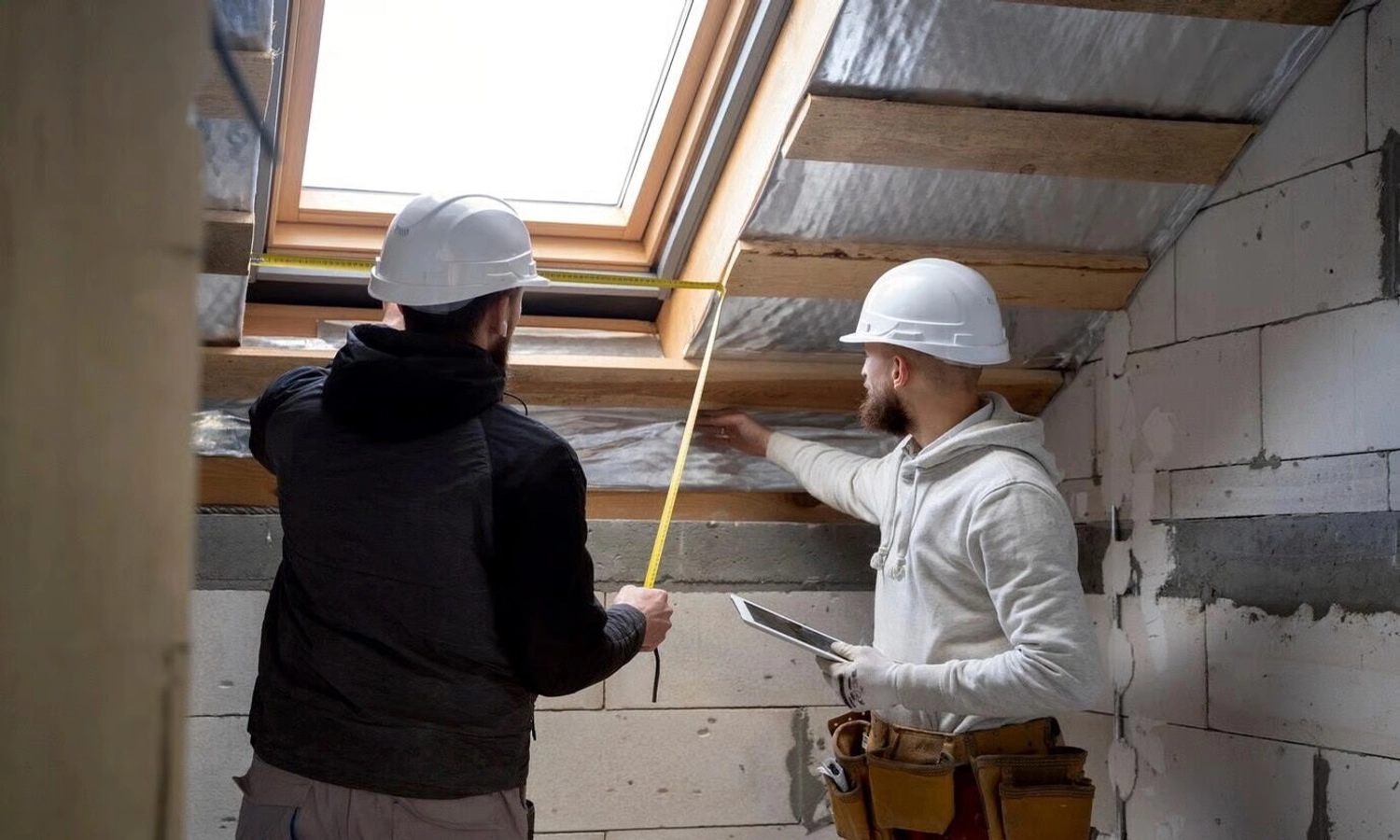
Colorado's dry climate and low humidity work against mold in most of a home, but a crawl space is its own microclimate, and Front Range crawl spaces grow mold when groundwater, a plumbing leak, or poor ventilation traps moisture against wood framing. A musty smell in a first-floor room or visible staining on floor joists from below are the two most common signs a Denver metro homeowner notices first.
Outdoor humidity along the Front Range runs low most of the year, but a crawl space traps ground moisture that never gets the benefit of Colorado's dry air and sun. Bare soil under a crawl space releases water vapor constantly, and without a vapor barrier that moisture condenses on cooler wood surfaces overhead, especially during spring snowmelt and the brief but heavy monsoon-season rain in July and August.
A musty odor noticeable in a main-floor room, especially near vents or floor registers, is the first sign most homeowners notice. Cupping or buckling hardwood floors, visible white or black staining on the underside of subfloor and joists, and condensation on cold water pipes running through the crawl space all point to a moisture problem worth a closer look before it spreads.
| Service | Typical Front Range Cost |
|---|---|
| Mold inspection and air quality test | $300 to $650 |
| Mold remediation, moderate crawl space | $1,500 to $5,000 |
| New vapor barrier installation | $1,000 to $2,500 |
| Full crawl space encapsulation | $3,500 to $9,000 |
| Sump pump installation | $1,000 to $3,000 |
Encapsulation seals the crawl space floor and walls in heavy plastic sheeting and commonly adds a dehumidifier, cutting off the ground moisture source rather than just cleaning up mold after it grows. For a Denver metro home with recurring moisture from expansive soil or a high water table, encapsulation solves the underlying cause; for a one-time leak that's already fixed, a vapor barrier and remediation alone solve the problem without full encapsulation.
A sump pump collects groundwater that seeps into a crawl space or basement and pumps it out before it can pool and feed mold growth. It pairs well with encapsulation on a Front Range property with a known high water table or a history of spring seepage, and sump pumps are a standard part of a full crawl space moisture-control system rather than a stand-alone fix.
Denver metro, Douglas County, and Colorado Springs all sit on bentonite-heavy clay soil that expands when it absorbs water and contracts when it dries out. That movement can crack a crawl space's perimeter drainage or shift grading enough to redirect water toward the foundation instead of away from it, which is why a moisture problem that keeps coming back after cleanup traces to a grading or drainage issue rather than the crawl space itself.
Spring snowmelt is the single biggest seasonal moisture event for a Front Range crawl space, especially in a yard that slopes toward the foundation. A sprinkler system left un-winterized before the first hard freeze can also crack underground irrigation lines, and the leak surfaces as unexplained crawl space dampness the following spring rather than an obvious yard puddle in winter.
A slow leak in a supply line or a drain running through the crawl space of a pre-1970 Denver home can feed mold for months before anyone notices a wet spot upstairs. A plumber who traces the moisture back to a specific pipe, rather than just drying the space out, prevents the mold from returning within a season.
Colorado sits in the EPA's highest radon potential zone, and many Front Range homes already run a radon mitigation system that draws air from beneath the slab or through the crawl space and vents it outside through a pipe and fan. A crawl space encapsulation project should be coordinated with the existing radon system, or with a radon test if the home doesn't have one yet, since sealing the crawl space floor changes how soil gas moves through the house and can affect radon readings either way. A licensed radon mitigation contractor and the crawl space contractor should be looped in together rather than treated as unrelated projects.
A general home inspector notes visible mold-like staining and moisture readings in a crawl space during a standard Colorado inspection, and a specific mold or air-quality test is a separate service a buyer can request. Findings here land squarely inside the Inspection Objection Deadline window set by the Colorado Contract to Buy and Sell Real Estate, and a seller who has already remediated and documented the work has a much easier conversation than one hearing about it for the first time from the buyer's inspector.
Encapsulation and vapor barrier work do not require a permit on their own, but adding a sump pump with a new drain line or altering foundation drainage triggers a plumbing or building permit in Denver, Aurora, and most Front Range jurisdictions. A licensed contractor confirms what's needed for the specific scope of work before starting.
Mold remediation and encapsulation are specialized trades, and getting quotes from more than one licensed contractor is worth the time on a job this size. Companies outside Colorado, like mold removal services serving the Midwest or crawlspace encapsulation providers in Georgia, follow largely the same remediation and encapsulation process a Front Range contractor would use; you are free to use any licensed Colorado provider for the actual work.
The Kenna Real Estate Group helps Front Range sellers document crawl space moisture repairs before listing and helps buyers read a crawl space inspection finding correctly before the Inspection Objection Deadline passes. Call or text 303-955-4220. A live person answers. Not a robot, not a phone tree. Ready to look at homes instead? Search every home for sale in Colorado.
Questions about any home in Colorado? Call or text 303-955-4220. A live person answers.
Yes. A crawl space traps ground moisture from soil, snowmelt, or a leak regardless of how dry the outdoor air is, so it grows mold even in an arid climate.
A moderate job runs $1,500 to $5,000, plus $300 to $650 for an inspection and air quality test if one is done first.
It's worth it for a home with recurring moisture from expansive soil or a high water table, since it stops the moisture source instead of just cleaning up after it.
It can. Bentonite-heavy clay swelling and shrinking with moisture can crack drainage and grading, redirecting water toward the foundation.
A general inspector notes visible staining and moisture; a specific mold test is a separate service a buyer can request during the Inspection Objection Deadline.
An un-winterized irrigation line can crack and leak underground, and the moisture sometimes doesn't surface as crawl space dampness until the following spring.
Encapsulation itself doesn't need one, but adding a sump pump with new drainage requires a plumbing or building permit.
Yes, along with documentation of the remediation and any encapsulation work, which heads off buyer concerns during the inspection period.


