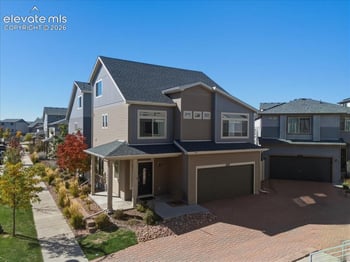
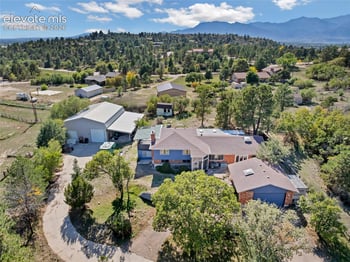
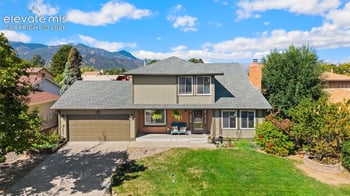
New - 15 Mins Ago
$599,000
Active
4
Beds
2
Baths
1886
Sqft
0.2024
Acres
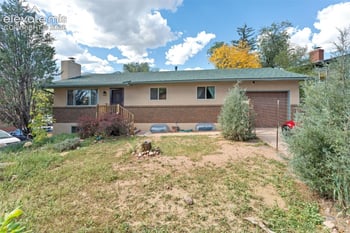
106 Lois Ln, Colorado Springs, CO 80904
MLS#: 6513022
.jpg)


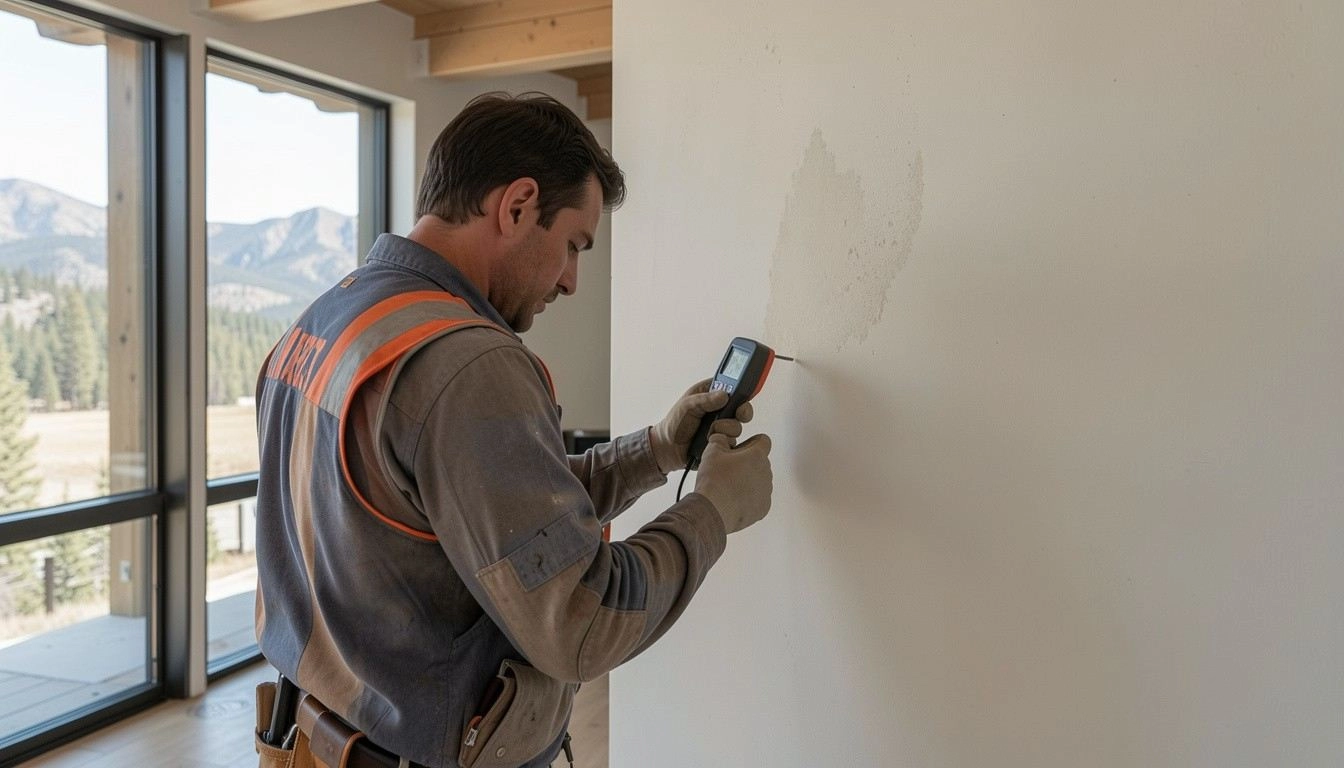
Property testing finds hidden mold in a Colorado home by combining a moisture meter scan of walls and flooring, a humidity and airflow check of the HVAC system, and, when warranted, an air or surface sample sent to a lab. Colorado's dry climate lowers the risk compared to humid states, but it does not remove it: basements, crawlspaces, bathrooms without exhaust fans, and homes running evaporative coolers all create the moisture pockets mold needs.
Colorado's low outdoor humidity does not protect the inside of a home from localized moisture sources: a slow plumbing leak, condensation on a cold basement wall, a poorly vented bathroom, or an evaporative cooler running without enough exhaust airflow. Mold needs a damp surface and organic material, drywall paper, wood framing, carpet backing, and it can develop behind a wall or under flooring with no visible surface sign for months.
A full mold inspection and testing visit on the Front Range runs $300 to $700, with lab analysis adding $40 to $150 per sample depending on how many areas are tested.
Evaporative coolers, common across the drier parts of Colorado including Colorado Springs, Pueblo and the eastern plains, add moisture to indoor air by design, cooling through water evaporation rather than a sealed refrigerant system. Run without a properly sized exhaust path, or left un-drained and un-cleaned at the end of the season, a swamp cooler unit can hold standing water that grows mold inside the unit itself and pushes damp air into the home. Homes with central air conditioning instead of evaporative cooling don't carry this specific risk, since a central AC system removes humidity rather than adding it.
A below-grade basement wall stays cooler than the surrounding air, and condensation forms wherever warm, moist air meets that cold surface, especially in an unfinished or partially finished basement without a vapor barrier. Crawlspaces with exposed dirt floors and no vapor barrier pull ground moisture up into the floor framing above. Both areas need routine visual checks behind stored items and furniture, where airflow is lowest and moisture sits longest.
A radon mitigation system, common across the Front Range given Colorado's naturally elevated radon levels, pulls soil gas from under the foundation and vents it outside through a fan and pipe. It does not add or remove basement humidity on its own, but installing one is a good moment to also check the sump pit, foundation wall and any nearby moisture source while the crew already has access.
Colorado's seller disclosure form asks directly about known water intrusion, moisture problems and mold. A seller aware of a past mold issue has to disclose it, along with any remediation work completed. Buyers should read the disclosure closely and ask follow-up questions about any water damage history, even if the disclosure states the issue was resolved.
A mold finding during the inspection objection period gives a buyer grounds to request remediation, a credit, or a price adjustment before the deadline passes. Remediation for a contained, small area runs $1,500 to $5,000 and takes 3 to 7 days; a larger job involving structural drying or material removal can run higher and take longer. Sellers who test and remediate before listing avoid the finding turning into a mid-contract negotiation, and can market the home with a clean report in hand.
| Service | What it checks | Typical cost |
|---|---|---|
| Mold test only | Air or surface sample at one or two suspected spots | $150 to $400 |
| Full mold inspection | Whole-home moisture scan, thermal imaging, plus sampling | $300 to $700 |
| Remediation, small contained area | Removal, drying and treatment | $1,500 to $5,000 |
Look for an inspector certified through a recognized body such as the Indoor Air Quality Association or the American Council for Accredited Certification, and confirm the lab used for sample analysis is independent of the inspection company. A company that both tests for mold and sells remediation work has an incentive to find a problem; asking whether the testing and remediation sides operate independently, or getting a second opinion before authorizing a large remediation job, protects both a buyer and a seller from paying for work that was not needed. For a real estate transaction, ask the inspector for a written report with photos, moisture readings and lab results that is shared directly with the other party during the inspection objection period.
Testing finds a problem; ventilation keeps it from returning. A bathroom exhaust fan sized for the room's square footage and vented straight outside, not into the attic, clears shower humidity before it settles into drywall and framing. A crawlspace with a sealed vapor barrier over exposed dirt cuts off the ground moisture that feeds mold in that space. In a basement, a dehumidifier set to keep relative humidity under 50%, paired with a working sump pump and a clear discharge line routed away from the foundation, addresses the two most common basement moisture sources on the Front Range: seasonal groundwater and indoor humidity with nowhere to go. Each of these runs a few hundred dollars and prevents a repeat of whatever the testing found.
A written report carries more weight in negotiation than a verbal summary from an inspector. Ask for dated photos of every tested location, the exact lab method used for each sample, spore counts compared against the outdoor baseline, and a clear statement of which areas passed and which need remediation. Buyers should request this report as an attachment to their inspection objection, not just a reference to "the mold guy's findings," since a title company or lender reviewing the file later needs the actual document, not a secondhand description of what it said.
The Kenna Real Estate Group helps Colorado buyers ask the right moisture and HVAC questions before an offer, and helps sellers test and clear a mold finding before it becomes a mid-contract negotiation. Call or text 303-955-4220. A live person answers. Not a robot, not a phone tree. Or search every home for sale in Colorado right now.
Questions about any home in Colorado? Call or text 303-955-4220. A live person answers.
Yes. Colorado's low outdoor humidity lowers overall risk, but local moisture sources like basement condensation, a slow leak, or an evaporative cooler still create the damp conditions mold needs.
A full inspection with moisture scanning and thermal imaging runs $300 to $700, with lab sample analysis adding $40 to $150 per sample.
They can, since they add moisture to indoor air by design. A swamp cooler left un-drained at season's end, or run without enough exhaust airflow, holds standing water that grows mold and pushes damp air indoors.
Not directly. It vents soil gas, not humidity. Installing one is a convenient time to also check the sump pit and foundation wall for separate moisture issues.
Yes. Colorado's standard seller disclosure form asks about known water intrusion and mold, along with any remediation completed, and sellers aware of a past issue have to disclose it.
A small, contained area runs $1,500 to $5,000 and takes 3 to 7 days. Larger jobs involving structural drying or material removal cost more and take longer.
A test samples one or two suspected spots for $150 to $400. A full inspection scans the whole home with moisture meters and thermal imaging before sampling, for $300 to $700.
Yes, if it surfaces during the inspection objection period, it gives the buyer grounds to request remediation or a credit before the deadline, which can extend negotiations if not resolved quickly.