New - Just Now
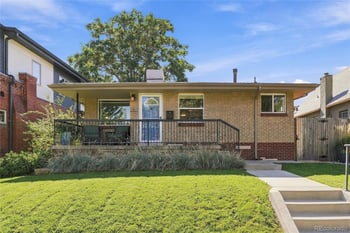
$900,000
Coming Soon
4
Beds
2
Baths
2116
Sqft
0.12
Acres
3484 W 33rd Ave, Denver, CO 80211
MLS#: REC4869595
.jpg)



Colorado's dry climate keeps roach populations far lower than humid states, but a heavy hailstorm or multi-day rain event still pushes bugs indoors, fast. The trigger is moisture, not the season by name: when the ground floods a bug's outdoor hiding spot, your basement, crawlspace, and window wells look like the nearest dry shelter. Here is what causes it and what actually stops it on a Front Range home.
Yes, at a lower rate than in humid climates. Colorado's low humidity and cold winters limit roach populations outdoors, but German and American roaches still live in sewer lines, storm drains, and landscaping mulch, and a heavy rain event drives them toward the nearest dry entry point, which is a Front Range basement or crawlspace in most cases.
Flooded soil and saturated mulch beds eliminate a bug's normal hiding spots, and a home's basement stays warmer and drier than the ground outside during a storm. Cracks around foundation walls, utility penetrations, and window wells give bugs a direct path from wet ground to a dry interior.
German cockroaches are the most common indoor species along the Front Range, found near kitchens and bathrooms where moisture and food are close together. American cockroaches, larger and reddish-brown, show up more in basements, sewer lines, and crawlspaces after a wet period.
It suppresses outdoor populations compared to the Gulf Coast or the Southeast, but it does not eliminate them; sewer systems, storm drains, and irrigated landscaping create pockets of moisture roaches use year-round. A single wet week resets that advantage temporarily, which is why pest activity spikes right after a storm even in a dry state.
Colorado's hail season runs from spring through September, and the heavy rain that comes with hailstorms saturates yards and window wells across the Front Range in a single afternoon. That sudden moisture, combined with roof and gutter damage from the hail itself, is a common trigger for a pest spike inside a home within a week of a major storm.
A window well without a properly fitted cover collects rainwater directly against the foundation wall and window frame, and that standing water is both an entry point and an attractant. A clear, ventilated window well cover keeps water and bugs out while still meeting egress requirements for a below-grade bedroom.
A sump pit that runs dry between storms can draw bugs looking for residual moisture, and a pit without a sealed lid is an open invitation. Roaches are also known to hide in drains where a P-trap has dried out, so check that the sump lid seals tightly and that the discharge line carries water well away from the foundation, at least 10 feet, rather than dumping it back near the wall.
Bentonite clay, common across the Front Range, expands when wet and contracts when dry, and that cycle opens small cracks in foundation walls and slabs over a few seasons. Those cracks widen with each wet-dry cycle unless sealed, giving both moisture and bugs a repeat path into the home.
Grading that slopes away from the foundation at roughly 6 inches over the first 10 feet keeps rainwater from pooling against the wall in the first place, which removes both the moisture and the entry pressure that draws bugs indoors. Regrading a yard that slopes toward the house, common on older Denver lots, runs $2,000 to $6,000 depending on lot size and access.
A visual check for new cracks after a heavy hail season catches problems before the next storm; hairline cracks under 1/8 inch are cosmetic in most cases, while wider or stair-step cracks warrant a foundation specialist. Exterior foundation sealant and interior crack injection both run in the $300 to $1,500 range for a single crack repair.
Colorado's Seller's Property Disclosure asks directly about known pest infestations, and a seller who knows about an active issue and does not disclose it takes on legal risk after closing. Treating a moisture entry point before listing protects both the sale price and the disclosure.
A single treatment for roaches runs $150 to $300 on the Front Range; a quarterly plan for Cockroach pest control that also covers sealing recommendations runs $400 to $700 a year. Post-storm treatments cost more when moisture damage needs repair alongside the pest treatment itself. You are free to use any licensed Colorado pest control provider for this work.
Caulk gaps around window and door frames, install door sweeps on exterior doors, fit window wells with ventilated covers, and check that dryer vent and utility line penetrations are sealed with expanding foam or mortar. These steps run under $200 in materials and take a weekend, well before hail season starts.
Yes. Below-grade spaces sit closest to saturated soil and collect any water that gets past grading or a foundation crack, making them the first place bugs and moisture show up after a storm. A dehumidifier that keeps basement humidity under 50% removes the moisture that draws pests in the first place.
Early spring, before hail season begins, is the ideal window to check window wells, grading, and foundation seals while the ground is still workable and before the year's heaviest storms arrive. A fall check after hail season catches any new cracks or gaps before winter freeze-thaw cycles widen them further.
The Kenna Real Estate Group helps Front Range sellers document and address moisture and pest issues before listing, and helps buyers spot foundation, grading, and window well problems during a showing. Call or text 303-955-4220. A live person answers. Not a robot, not a phone tree. Ready to move? Search every home for sale in Colorado.
Questions about any home in Colorado? Call or text 303-955-4220. A live person answers.
Heavy rain floods outdoor hiding spots like mulch beds and storm drains, and bugs move toward the nearest dry shelter, which is a basement or crawlspace in most cases.
Window wells without a sealed, ventilated cover are one of the most common entry points for both water and pests on homes with a below-grade bedroom or basement.
Yes. Bentonite clay expands and contracts with moisture, opening small foundation cracks over a few seasons that give bugs and water a repeat entry path.
Regrading on the Front Range runs $2,000 to $6,000 depending on lot size and access, and it removes the standing water that draws pests indoors.
Colorado's Seller's Property Disclosure asks directly about known pest infestations, and a seller who knows about an active issue and skips disclosure takes on legal risk after closing.
A quarterly plan that includes sealing recommendations runs about $400 to $700 a year; a single treatment runs $150 to $300.
Early spring, before hail season begins in spring and runs through September, is the best window to check grading, window wells, and foundation seals.
Yes. Keeping basement humidity under 50% removes the moisture that draws bugs indoors after a wet period.