.jpg)


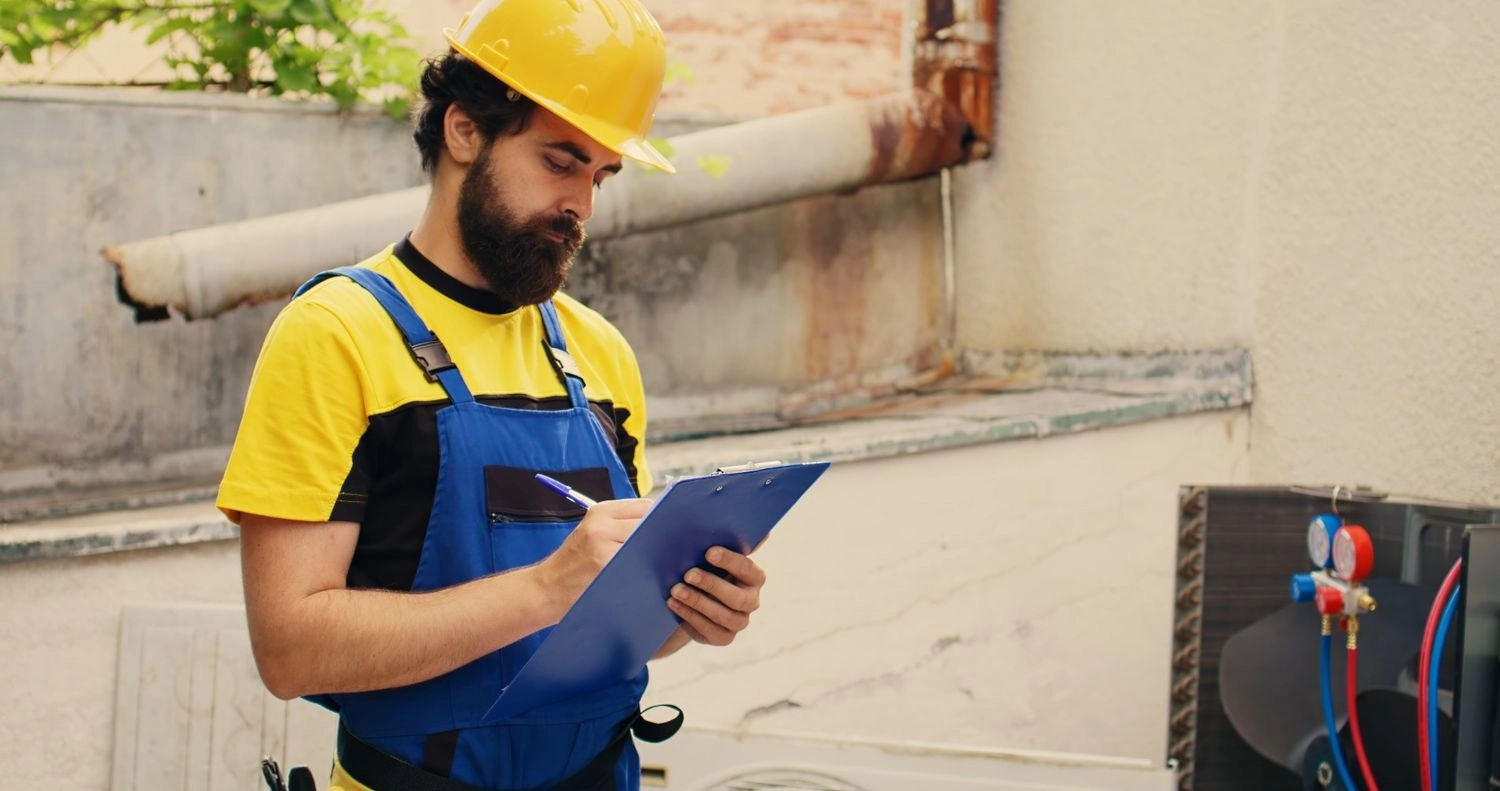
Colorado law requires a working carbon monoxide alarm in every rental home with a gas appliance, a fireplace, or an attached garage, and a yearly gas appliance inspection by a licensed plumber is the most direct way for a landlord to catch a leak, a cracked heat exchanger, or a venting problem before it becomes a carbon monoxide incident. Here is what a Denver metro, Colorado Springs, or mountain-town landlord needs to know.
Is a gas appliance inspection legally required for Colorado rentals?
Colorado does not set one statewide inspection schedule the way some cities require for smoke alarms, so the requirement comes from Colorado's carbon monoxide alarm law, the warranty of habitability, and, for Denver, the rental license inspection. A landlord who skips a gas inspection and a tenant is later hurt by a leak faces a habitability claim and, in a serious case, a liability claim.
Does Colorado law require carbon monoxide alarms in rental units?
Yes. Colorado law requires a carbon monoxide alarm within 15 feet of every bedroom in a unit that has a fuel-fired appliance, a fireplace, or an attached garage. A property manager or landlord tests these alarms at every inspection and replaces the unit at the end of its printed service life, five to ten years depending on the model. A carbon monoxide detector that has aged out no longer reads reliably even if the light still shows power.
What is the inspection schedule for gas appliances in Colorado?
Once a year is the standard interval for a furnace, water heater, and any gas fireplace or stove, timed for early fall before the first cold snap. A rental that turns over tenants also gets an inspection at move-out, since a new occupant changes how hard the appliances run and gives the landlord a documented baseline.
What does a gas line inspection cover?
A licensed plumber, such as the team at Military Plumbing, pressure-tests the gas lines for leaks, checks the furnace heat exchanger for cracks, confirms the water heater's flue draws correctly, tests every carbon monoxide alarm, and inspects any gas fireplace or range connection. The technician documents pressure readings and flags anything that failed for repair or replacement before signing off.
How much does a gas appliance inspection cost in the Denver metro?
A full inspection covering the furnace, water heater, and gas lines runs $150 to $400 depending on the number of appliances and the age of the home. A landlord who bundles the gas inspection with the annual furnace tune-up pays less than scheduling them separately, and either cost is far below the price of an emergency service call during a Front Range cold snap.
Who pays for a gas inspection, the landlord or the tenant?
The landlord pays. Colorado's warranty of habitability puts the duty to maintain a working heating system, plumbing, and gas lines on the owner, not the tenant, and that duty is not something a lease can shift to the renter. A property manager builds the annual inspection into the operating budget rather than billing it back.
Does altitude affect gas furnace and water heater performance?
Yes. A gas appliance rated for sea level burns richer and less efficiently above roughly 2,000 feet, so Denver at 5,280 feet and mountain towns above 8,000 feet need appliances derated or adjusted for altitude. An inspection at altitude checks the burner orifice sizing and combustion air supply specifically, since a furnace installed by a crew unfamiliar with Front Range elevation is a common source of inefficient or hazardous combustion.
What should a Denver tenant do if they smell gas?
Leave the unit immediately, do not flip a light switch or use a phone inside, and call the gas utility's emergency line from outside, which for most of the Denver metro is Xcel Energy. Notify the landlord or property manager right after, since a rotten-egg smell almost always means a leak that needs a same-day response, not a scheduled inspection.
Do older Denver bungalows need gas line replacement?
A pre-1980s Denver or Aurora bungalow still runs on the original black iron gas piping, which lasts decades but corrodes at threaded joints over time. An inspection on a home this age checks every joint for corrosion and pressure loss, and a landlord who finds a marginal reading should budget $1,500 to $4,000 to reline or replace the run rather than patch it.
Is propane different from natural gas for rental inspections?
A mountain or rural Colorado rental on propane needs the same appliance and carbon monoxide checks as a natural gas home, plus a tank inspection and a leak check at the regulator, since propane sits heavier than air and pools near the floor instead of dispersing. A landlord renting a propane cabin should also confirm the tank delivery contract and the tank's own inspection schedule with the propane supplier.
Does a metro district or HOA regulate gas appliances?
Most Colorado HOAs and metro districts do not regulate interior gas appliances directly, but an HOA can require a permit or notice for exterior work like relocating a meter or adding a gas line for an outdoor kitchen. Check the Denver HOA rules and fees guide before starting exterior gas work on a rental in an association.
What happens if a tenant refuses access for a gas inspection?
Colorado law requires a landlord to give at least 24 hours' written notice before entering for a non-emergency inspection, and a tenant who refuses reasonable access after proper notice is in breach of the lease. A landlord facing repeated refusal should document each attempt in writing before pursuing a lease remedy.
Does homeowners insurance require a gas inspection for a rental?
Some landlord and rental-dwelling policies ask for proof of an annual furnace or gas inspection, and a documented inspection record also helps in a claim after a gas-related incident, since an insurer can deny or reduce a payout tied to a known, unaddressed hazard. Ask your insurance carrier directly what it requires before renewal.
Can a landlord be liable for a carbon monoxide incident in Colorado?
Yes, a landlord who knew or should have known about a gas leak or a failed carbon monoxide alarm and did not act can face a habitability claim and a personal injury claim. Carbon monoxide poisoning symptoms mimic the flu, which is one reason a working alarm and an annual inspection matter more than relying on a tenant to notice something is wrong.
How does mountain elevation change venting requirements?
Above 8,000 feet, thinner air changes how a gas appliance vents combustion byproducts, so a furnace or water heater installed for a Denver-elevation home does not always vent correctly in Breckenridge, Estes Park, or Winter Park. A Colorado-licensed plumber who works mountain properties checks vent sizing and draft specifically at altitude rather than assuming a Front Range install transfers directly.
Where to go next
- Rental Property Checklist: How to Buy a Rental Property in Colorado
- Denver HOA Rules and Fees Guide
- Denver Utility Providers and Costs Guide
- What Should Denver Landlords Know About Winter Compliance Requirements
- Colorado Real Estate Investing Guide
- Search every home for sale in Colorado
Talk to the Kenna Real Estate Group
The Kenna Real Estate Group helps Colorado rental owners keep a property compliant, from the annual gas inspection to the full habitability checklist before a new tenant moves in. Call or text 303-955-4220. A live person answers. Not a robot, not a phone tree. Or search every home for sale in Colorado to compare a rental purchase against what you own today.
Homes for sale that match this post
- Homes with Fireplace in Colorado Springs
- Homes with 2 Car Garage in Colorado Springs
- Relocating: guide
- Homes with Gourmet Kitchen in Colorado Springs
- HOA Rules and Fees Guide in Colorado Springs
- All homes for sale in Colorado Springs
Guides
Questions about any home in Colorado? Call or text 303-955-4220. A live person answers.