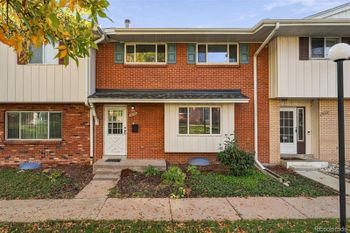
A Denver condo can attract a qualified buyer, receive an accepted offer, and still run into trouble when the lender examines the homeowners association.
The buyer may qualify for the mortgage. The condominium project may not.
That distinction has existed for years, but Fannie Mae's 2026 financing changes make it harder to overlook.
For loan applications dated August 3, 2026 or later, lenders can no longer use Fannie Mae's abbreviated Limited Review process. Affected established condominium projects must undergo Full Review unless an applicable project-review waiver is available.
Another change arrives January 4, 2027: Projects undergoing Full Review will generally need to allocate at least 15% of annual assessment income to replacement reserves, up from 10%.
The changes, announced in Fannie Mae's March 18, 2026 lender letter, could affect whether a buyer's intended conventional mortgage meets the agency's requirements—and whether a seller's transaction moves smoothly toward closing.
Not every condo faces the same review. Some smaller projects now qualify for expanded waivers, and other mortgage programs have their own rules.
But for affected Denver-area properties, the association's finances, insurance, and future repair obligations are getting a closer look.
And those aren't things you can judge from listing photos.
Why the Condo Building Matters as Much as the Unit
Imagine buying a renovated condominium in an older Lakewood building.
The kitchen has been updated. The floors look great. The unit inspection hasn't identified a major problem inside the home.
But the building has a shared roof approaching replacement, and the association's financial records raise questions about how that work will be paid for.
That's where condominium financing becomes different from financing a typical detached house.
Fannie Mae purchases qualifying mortgages from lenders. For a condo loan intended for sale to Fannie Mae, the lender must evaluate the condominium project as well as the individual borrower's finances.
The association's budget, reserves, insurance, assessment delinquencies, and significant maintenance problems can all matter.
Those project-level requirements aren't new. What's changed is the review process.
Before August 3, certain established condo projects could use Limited Review, which involved fewer project-level checks. With that option retired for applications on or after that date, affected projects must satisfy Full Review unless they qualify for another review waiver.
For buyers, the practical difference is the importance of documentation. The lender may need more information about the association before establishing that the project is eligible for the intended mortgage.
That can be consequential in Denver's varied condominium market.
A historic conversion might have aging masonry and shared exterior components. A mid-century low-rise could be planning roof or plumbing work. A newer downtown high-rise may have elevators, shared mechanical systems, and an underground parking structure to maintain.
Each building has its own financial obligations.
And beginning in January, the ordinary reserve calculation for Full Review becomes more demanding.
The 15% Reserve Rule Isn't a 15% Cash Requirement
The number sounds simple enough: 15%.
But it doesn't mean an association must have cash equal to 15% of the building's value.
It doesn't mean buyers need a 15% down payment.
And it certainly doesn't mean every Colorado HOA must raise dues by 50%.
Fannie Mae is increasing the minimum annual budget allocation to replacement reserves for condominium projects using the ordinary Full Review percentage calculation.
Replacement reserves help pay for future capital expenses and deferred maintenance—things like replacing a roof, repairing common structures, or updating major building systems.
Consider an association with $1 million in annual budgeted assessment income used for Fannie Mae's calculation.
Under the existing 10% minimum, the required annual allocation would be $100,000.
Under the new 15% minimum, it would be $150,000.
The $50,000 difference is between the two minimum required annual allocations. It is not necessarily an additional $50,000 that the association must start collecting or contributing.
An association already allocating more than 15% may not need to change its budget to satisfy this particular test. Another might need to adjust spending or contributions. Whether dues increase depends on its actual finances and obligations.
Fannie Mae's calculation also permits certain exclusions from assessment income, including specified utility collections and special-assessment income.
The timing deserves attention, too.
The new threshold applies to Full Review loan applications dated January 4, 2027 or later, not simply transactions closing after that date.
A buyer signing a purchase contract in December 2026 but applying for the mortgage in January 2027 could encounter the 15% requirement. An otherwise applicable Full Review application dated before January 4 remains subject to the existing 10% minimum, although individual lenders may impose additional requirements.
That distinction is worth establishing before the financing and contract deadlines are set.
A Reserve Study May Offer Another Way to Qualify
The percentage isn't the only way an association can satisfy Fannie Mae's reserve requirements.
Under the agency's Full Review standards, a lender can use an acceptable reserve study instead of the ordinary percentage calculation.
A reserve study examines major shared components, estimates their remaining useful lives and replacement costs, and recommends how much money the association should set aside.
For an older Denver condominium, that might include a roof, shared plumbing, or exterior repairs. A high-rise study may also account for elevators and extensive mechanical systems.
But having a document labeled "reserve study" isn't enough.
The study generally must have been completed or updated within three years of the lender's project approval, prepared by an independent qualified professional, and demonstrate adequate funded reserves.
The association's funded reserves and budgeted contributions must support the study's recommendations, including the highest recommended annual reserve allocation.
Fannie Mae also strengthened this alternative beginning August 3, 2026. Lenders can no longer rely on a baseline funding method—which permits projected reserves to approach zero without becoming negative—to qualify for the exception to the percentage requirement.
That's an important distinction for anyone comparing HOA dues.
One building may collect more each month because its budget includes substantial insurance, utilities, maintenance, and reserve contributions. Another may have lower dues while facing expensive work that hasn't been fully funded.
Neither building can be judged by the monthly dues alone.
The more revealing documents are the budget, reserve study, and plans for major repairs. They show what owners are paying for now and what expenses may still be ahead.
Two Similar Townhomes Could Face Different Fannie Mae Reviews
While Fannie Mae retired Limited Review, it also expanded project-review waivers for certain smaller condominiums.
That creates an interesting contrast for townhouse-style properties around Denver.
Consider two attached six-unit developments.
One is an independent condominium project with no larger development or master association.
The other is a six-unit condominium project within a larger development governed by a master association.
From the street, the homes might look almost identical.
But under Fannie Mae's updated waiver rules, the independent six-unit project can qualify for a review waiver. An attached unit in the project that's part of the larger development requires Full Review.
The unit count refers to the legal condominium project, not simply how many homes share a building.
Eligible new and established condominium projects with two to four units also qualify for a waiver. Completely detached condominium units have a separate waiver route.
These distinctions matter when comparing properties in Aurora, Arvada, Parker, and other Front Range communities where attached homes can have different legal ownership structures.
A property that looks like a traditional townhome may legally be a condominium. Another attached home could be fee-simple property in a planned unit development, or PUD, which follows different project-review rules.
The waiver provisions also have limits. Applicable property and insurance requirements remain, projects containing manufactured homes have separate restrictions, and a waiver cannot override an Unavailable designation in Fannie Mae's project-review system.
So the legal classification matters before anyone decides whether the 15% Full Review reserve calculation applies.
That's also why a lender familiar with the particular ownership structure and association documents can be useful early in the transaction.
For Condo Sellers, Association Records Can Affect the Closing
The lender's project review introduces a challenge that an individual seller may have limited power to resolve.
Once a buyer applies for financing, the lender may request the association's current budget, financial information, reserve study, master insurance documents, and answers to a condominium questionnaire.
Those records generally come from the association or its management company.
If something is missing or raises a question, the lender may need additional documentation before completing its review.
Suppose a Denver high-rise association has approved a special assessment for a major common-area repair.
The assessment itself doesn't automatically disqualify the condominium from Fannie Mae financing. The lender needs to understand what the money covers, whether the work relates to unresolved critical repairs, and whether applicable eligibility standards are satisfied.
Certain litigation, significant deferred maintenance, and excessive assessment delinquencies can also affect the review.
Insurance presents another document-dependent question. The lender must determine whether the association's master policy meets applicable requirements, including coverage and deductibles.
That may involve different details for a downtown high-rise with extensive shared systems than for a condominium community in the Jefferson County foothills with significant shared roof and exterior maintenance responsibilities.
The property's actual coverage and obligations determine the issue—not its location alone.
Colorado's Division of Real Estate advises buyers to examine association governing documents, maintenance responsibilities, and financial obligations. It also recommends asking lenders about their experience with HOA questionnaires.
For a seller, obtaining current association records and confirming how the management company handles lender questionnaires before listing can help expose documentation problems sooner.
It won't guarantee financing approval. But it gives everyone a better chance of addressing questions before contract deadlines become a problem.
What If Fannie Mae Lists the Condo Project as Unavailable?
A missing document and an actual project-eligibility problem are not the same thing.
Fannie Mae maintains a project-review system called Condo Project Manager. An Unavailable designation means loans secured by units in that project cannot be sold to Fannie Mae.
That's consequential for a seller whose prospective buyer intends to use a Fannie Mae-eligible mortgage.
But it doesn't automatically mean the condo can only be sold for cash.
Another mortgage program or a portfolio lender might be an option, depending on its requirements and the reason for the project's status. FHA and VA financing have separate condominium eligibility rules.
None of those alternatives is guaranteed.
Cash buyers avoid the particular mortgage project-review requirement, but they still assume the property's ownership obligations and potential exposure to association expenses.
Fannie Mae's Condo Status Finder explains how owners and buyers can ask their association or lender to check project status. The system doesn't provide unrestricted public access to project-eligibility determinations, and the absence of a known eligibility problem isn't necessarily formal project approval.
Associations can also provide updated documentation when identified problems have been remedied.
For sellers, knowing whether a lender is still gathering records or has identified a substantive eligibility problem can make a considerable difference when evaluating the available financing options.
Colorado's New Reserve-Study Law Is a Separate Change
Condominium reserves are receiving attention from Colorado lawmakers, too.
Colorado enacted HB26-1099, signed April 13 and effective August 12, 2026.
The law requires a developer to commission and pay for an independent reserve study before transferring control of a new planned community or condominium to its owners' association.
That study must project common-property maintenance, repair, and replacement costs over 30 years.
It's a developer-turnover requirement for new communities.
Fannie Mae's January 2027 change, by contrast, is a mortgage project-review standard governing applicable Full Review loan applications.
Colorado's law doesn't impose Fannie Mae's 15% allocation threshold on every HOA, nor does it require every established condominium association to commission a new study.
Kenna's Colorado HOA Laws 2026 guide explains the broader state framework.
For someone comparing an established Denver condo with a newly developed Front Range community, both sets of requirements may be worth understanding. But they answer different questions: what the developer must provide when association control changes, and what a lender must establish before a particular condominium mortgage qualifies for sale to Fannie Mae.
Get the Project Answer While There's Still Time to Use It
Buyers using Kenna's Denver condos for sale search and Colorado home buying tools can compare properties and prepare an offer, but those pages can't establish whether a particular condo project is eligible for the intended mortgage.
Before agreeing to financing deadlines, ask the lender when it expects to determine whether the project supports the planned loan. A seller can ask the association manager how quickly it can respond to the lender's requests. Those answers won't guarantee approval, but they put a practical timetable around a question that could otherwise remain unresolved until late in the transaction.
January's higher reserve minimum applies to affected Full Review loan applications, not every condo sale. Fannie Mae has set the rule's effective date. For an individual Denver transaction, knowing when the lender can give its answer may be the more useful date.