New - 1 Hour Ago



Colorado HOA laws in 2026 come from one statute, the Colorado Common Interest Ownership Act (CCIOA), and no state agency enforces it. The state HOA office records complaints but cannot investigate, fine or step in; disputes go to mediation or court. What changed: a 2026 law (HB26-1099) makes builders pay for a 30-year reserve study before they hand a new community to the owners, and 2025 laws added foreclosure notices, a court stay to protect your equity, and a 65% owner vote before a construction defect suit. Buying or selling in Denver, Aurora, Highlands Ranch or Parker? Here are the rules, the fines limits, and the buyer checklist.
Call or text 303-955-4220. A live person answers. Not a robot, not a phone tree.
0 State agencies that enforce HOA law Disputes are civil matters (Colorado Division of Real Estate, 2026) | 30 years Reserve study before turnover HB26-1099, in effect August 12, 2026 |
8% Top interest on unpaid HOA dues Per year; no daily fines (HB22-1137) | 65% Owner vote before a defect suit Up from a majority (HB25-1272) |
No one regulates them day to day. The Colorado Division of Real Estate says HOAs are governed by CCIOA, that the law is enforced through civil lawsuits, and that "there is no regulatory oversight of HOAs or Community Association Managers in the State of Colorado." Manager licensing ran from July 1, 2015 to July 1, 2019 and ended after a 2019 veto.
The HOA Information & Resource Center, inside the Division of Real Estate, opened January 1, 2011. SB25-184 keeps it running until September 1, 2030. Here is what it does and does not do, per the Division:
| The HOA Center does | The HOA Center does not |
|---|---|
| Explains your rights under CCIOA | Regulate HOAs or managers |
| Takes complaints and reports them to the legislature each year | Investigate or enforce a complaint |
| Registers HOAs (most must register and renew every year) | Fine an HOA, or act on an HOA that skips registration |
| Runs education classes and forums | Mediate, give legal advice or advocate for you |
How to file a complaint against an HOA in Colorado: file it with the HOA Information & Resource Center at the Division of Real Estate. It goes into a database that feeds the annual report to lawmakers; it does not open a case. To resolve a dispute, the Division points owners to the Colorado Judicial Branch's Office of Dispute Resolution for mediation, then to a community association attorney or court.
| Law | In effect | What it does |
|---|---|---|
| HB26-1099 | August 12, 2026 | In new planned communities and condos, the builder pays for a reserve study covering 30 years of repair and replacement costs, done by an independent professional, before handing control to the owners. A fired management company has 45 days to turn over records and money at no charge, or owes $250 per business day. |
| HB25-1043 | October 1, 2025 | The HOA sends a ledger within 7 business days when you ask, warns in writing that foreclosure costs equity, gives 30 days notice before filing, and tells you within 5 business days of filing about your right to cure. You can ask the court to pause the sale for 9 months so you can list the home at market value. |
| HB25-1272 | August 6, 2025 | An HOA board needs approval from 65% of owners, up from a majority, before it sues over construction defects. |
| SB25-184 | May 24, 2025 | Continues the HOA Information & Resource Center until September 1, 2030. |
| HB25-1113 | August 6, 2025 | Extends the Colorado ban on nonfunctional turf in new development to multifamily properties with more than 12 units, starting January 1, 2028. This one is enforced by local governments, not HOAs. |
Yes, with limits. HB22-1137, in effect since August 10, 2022, set the rules every Colorado HOA follows today:
Behind on dues and worried about foreclosure? Read how foreclosure works in Colorado and how a short sale stops one, then call us. The 9-month stay under HB25-1043 exists so an owner can sell and keep the equity.
Compare dues city by city in our Colorado HOA fees guide and the Denver HOA rules and fees guide. New-build buyers also pay metro district taxes; see how HOAs, metro districts and taxes affect buyers.
The Division of Real Estate says Colorado has nearly 12,000 HOAs, and Section 7 of the Colorado Contract to Buy and Sell entitles you to the association's governing and financial documents. Use your inspection window to check:
Run the full payment with dues included in our Colorado mortgage calculator, and add transfer fees and dues prorations to your Colorado closing costs.
Buyers. No state office will fix an HOA problem after you close, so the documents you get under Section 7 are your protection. Read the minutes, the reserve study and the insurance list before your objection deadline. A $350 monthly due adds $4,200 a year to your cost of owning, so price it into your offer.
Sellers. Order your HOA documents and status letter early; a buyer's lender and inspection deadlines wait on them. An open special assessment or a defect lawsuit shows up in the minutes, so tell us first and we price the home with it in mind. Start with a free home value report.
Homeowners. Behind on dues? Ask for your ledger (7 business days under HB25-1043) and a payment plan in writing. Fines alone cannot lead to foreclosure, and interest stops at 8% a year.
The Colorado market. Condos and townhomes come with an HOA, so the 2026 reserve study rule and the 2025 foreclosure protections touch a big share of Colorado sales. Track live Denver inventory on our Denver real estate statistics page and read condo vs townhome in Denver.
What to watch out for
Most of these homes come with an HOA. They are pulled live from the MLS every time you open this page. Compare more in our Denver townhomes guide, the Colorado 55+ community rules and costs, or browse Lakewood, Littleton and Castle Rock homes for sale.


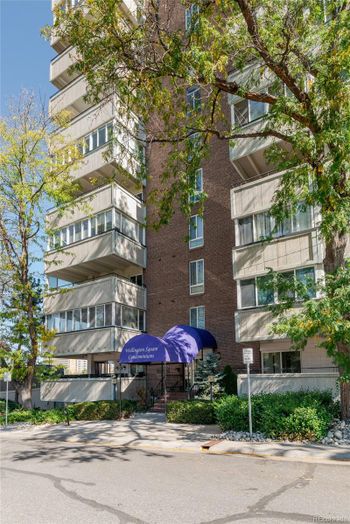


No state agency. Colorado HOAs are governed by the Colorado Common Interest Ownership Act (CCIOA), which is enforced through civil lawsuits. The HOA Information and Resource Center at the Division of Real Estate takes complaints and registers HOAs but cannot investigate, fine or enforce.
File it with the HOA Information and Resource Center at the Colorado Division of Real Estate. Your complaint goes into the annual report to the legislature; the Center does not act on it. For a resolution, use mediation through the Colorado Judicial Branch's Office of Dispute Resolution, an attorney, or court.
Only for unpaid dues (assessments), not for fines, fees or attorney fees. Before foreclosing, the HOA must offer a monthly payment plan of $25 or more, send 30 days notice, and after filing tell you within 5 business days about your right to cure. You can ask the court to pause the sale for 9 months so you can sell at market value.
State law sets no dollar cap on a fine, but it bans daily fines, gives you two 30-day cure periods for most violations, and caps interest on unpaid amounts at 8% a year.
Under HB26-1099, in effect August 12, 2026, the builder of a new planned community or condo must pay for a 30-year reserve study by an independent professional before turning control over to the owners. Every HOA also discloses its reserves in the annual financial statements within 90 days after its fiscal year ends.
No. CCIOA says an HOA cannot ban xeriscape or drought-tolerant plants on the property you maintain. It can set design rules on the type, number and placement of plants and hardscape. Backyard artificial turf can be regulated but not banned.
Yes, when the declaration (CC&Rs) allows it. HOAs can ban short-term rentals or set lease minimums such as 12 months.
Call or text 303-955-4220. A live person answers. Not a robot, not a phone tree.
Brian Lee Burke, the hardest working man in real estate
The Kenna Group at Keller Williams DTC. Helping You With Your Pad™. Licensed since 2003.
The Kenna Group is a real estate group with Keller Williams Realty DTC, LLC (Keller Williams DTC), serving Denver metro and Colorado home buyers and sellers.
Disclosure: We are real estate agents, not attorneys. This guide explains Colorado HOA laws in real estate terms so you know what to ask when you buy, sell or own in an HOA. For legal advice about a dispute, a fine or a foreclosure, talk to a licensed Colorado attorney who handles community associations. Laws and rules change.