New - 2 Hours Ago
.jpg)


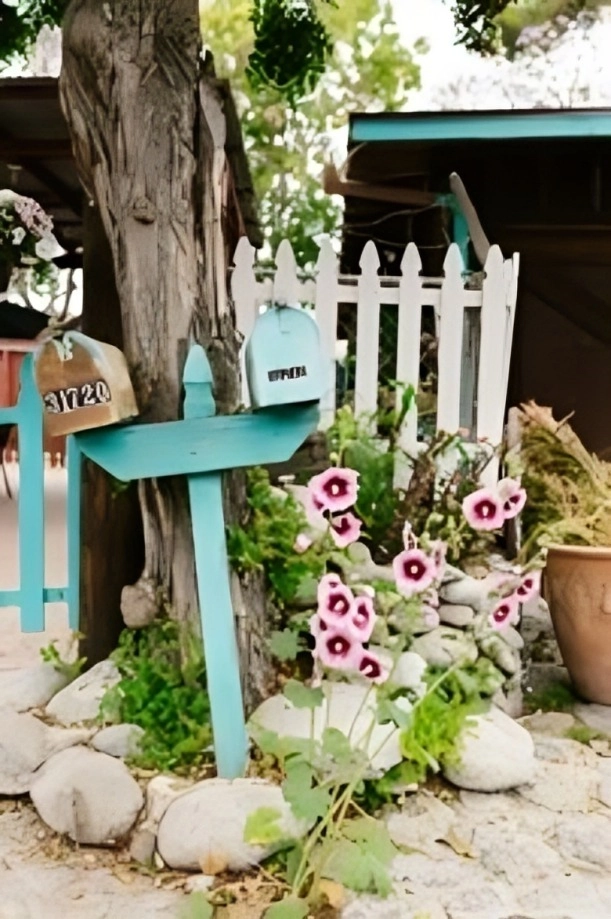
Cluster mailbox units, locking compartments and impact-rated materials are the three trends reshaping mailboxes across the Front Range, driven as much by USPS delivery rules and Colorado hail as by curb-appeal fashion. What you're allowed to install depends first on your HOA and your neighborhood's delivery format, and second on style.
Older Denver neighborhoods built before the mid-1980s mostly kept individual curbside mailboxes, one post per home, because USPS grandfathered existing delivery routes rather than converting them. Almost every subdivision built in the Front Range since the late 1980s uses a centralized cluster box unit (a CBU) instead, since USPS has required centralized delivery for new residential development for decades.
If you're buying in an established Denver neighborhood like Baker, Berkeley or Park Hill, expect to maintain your own post and box. If you're buying new construction in Highlands Ranch, Castle Rock or Parker, expect a shared CBU at the end of your block with an assigned locking compartment and no post to maintain yourself.
USPS sets the mailbox at 41 to 45 inches from the road surface to the bottom of the box, and 6 to 8 inches back from the curb face so a mail carrier can reach it without leaving the vehicle. Posts need to give way on impact rather than damage a vehicle, which is why most counties and cities restrict mailbox posts embedded in concrete beyond a shallow footing.
Check with your county road department before installing a heavy stone or brick mailbox surround on a rural Front Range property; several Colorado counties limit post rigidity specifically because of snowplow contact during winter storms.
Front Range hail season runs from spring through September, and hailstones large enough to crack a windshield leave a permanent record of dents on a thin stamped-steel mailbox after a single storm. Cast aluminum, powder-coated steel with a heavier gauge, and molded composite boxes rated for impact resistance all outperform standard big-box-store steel mailboxes in hail events.
UV exposure at 5,280 feet fades cheap plastic and vinyl mailboxes faster than at sea level. Composite mailboxes rated for high-UV climates and finished metal boxes with a baked powder coat hold their color longest through a Front Range summer.
A locking mailbox compartment, whether a standalone unit or part of a CBU, keeps mail and small packages out of reach after delivery. Cluster box units already include a locked compartment for every address; homeowners with an individual curbside box can add a locking insert for $80 to $250 depending on size and brand.
Parcel lockers built into newer mailbox systems accept packages too large for a standard compartment and give the carrier a separate access code, which cuts down on packages left sitting in a driveway.
| CBU size | Compartments | Typical installed cost |
|---|---|---|
| 8-door unit | 8 addresses | $1,200 to $2,000 |
| 12-door unit | 12 addresses | $1,800 to $2,800 |
| 16-door unit | 16 addresses | $2,400 to $3,600 |
A builder or the HOA covers this cost during initial construction of a new Front Range subdivision, then bills ongoing maintenance through HOA dues.
HOAs in Highlands Ranch, Castle Rock and Lone Tree standardize mailbox design as part of the community's architectural guidelines, since a mismatched row of individual boxes stands out against a planned streetscape. Where individual posts are still allowed, most HOAs specify an approved post style, box brand or paint color and require design-review sign-off before installation.
Check your HOA's rules and fees guide or covenants document before ordering a replacement mailbox; a non-conforming box is one of the more common architectural-violation notices in newer Front Range communities.
Electronic locking mailboxes with keypad or app access need a battery or hardwired power source rated for Colorado's winter temperature swings, since consumer-grade electronics rated only for mild climates fail faster below freezing. Look for a unit rated to at least -20°F if you're installing one on an unheated post rather than a covered porch.
A rural or acreage property east of Brighton or Elizabeth, or in unincorporated Douglas or Weld County, still uses an individual curbside box in most cases, since those areas fall outside a subdivision's cluster delivery route. County road departments set their own setback and post-strength rules for mailboxes along county roads, separate from the USPS placement standard.
Wind matters more out on the plains than it does close to Denver's urban core. A heavy-gauge steel post set in a proper footing holds up against sustained wind gusts that regularly top 40 miles per hour along the eastern Front Range in spring; a lightweight wooden post cracks or leans within a season or two out there.
A wall-mount mailbox attached next to the front door works for a townhome or a home close to the sidewalk, and it skips the post and footing entirely. A post-mount box stays the standard for a single-family home set back from the street, since USPS carrier routes are built around curbside stops rather than walking up to each front door.
Homes in denser Denver neighborhoods like LoDo or Capitol Hill lean toward wall-mount boxes because of narrow setbacks, while homes in Aurora, Centennial and Parker with deeper front yards keep the traditional post-mount format.
Match the mailbox finish to your home's existing hardware — the same black, bronze or brushed nickel used on the front door handle and house numbers reads as a coordinated exterior rather than a mismatched add-on. A $60 to $150 mailbox swap is one of the fastest ways to update a dated exterior without touching paint, siding or landscaping.
A mailbox rarely shows up as its own line item on a Front Range appraisal, but it's one of the cheapest curb-appeal fixes before listing photos, alongside a fresh coat of paint on the front door and a cleared front walk. Pair a mailbox refresh with the broader curb-appeal work covered in our guide to preparing and adding value before you sell.
Photographers shooting listing photos for a Denver metro MLS almost always frame the front entry, mailbox included, so a dented or faded box stands out in the first photo a buyer sees online. Spend the $60 to $150 before your listing photos are scheduled rather than after.
Getting a Front Range home ready to list, we can tell you which curb-appeal fixes, mailbox included, actually influence a buyer's first impression and which ones you can skip. Call or text 303-955-4220. A live person answers. Not a robot, not a phone tree. Ready to look at homes? Search every home for sale in Colorado.
Questions about any home in Colorado? Call or text 303-955-4220. A live person answers.
New construction almost always uses a centralized cluster box unit (CBU) with a locking compartment per address, since USPS has required centralized delivery for new residential development for decades.
USPS sets curbside mailboxes 41 to 45 inches above the road surface and 6 to 8 inches back from the curb face for carrier access.
Cast aluminum, heavier-gauge powder-coated steel and impact-rated composite boxes outperform thin stamped-steel mailboxes in a Front Range hail storm.
Yes. Most Front Range HOAs specify an approved post style, box brand or color in their architectural guidelines and require design-review approval before you swap it.
A locking insert for an existing curbside mailbox runs $80 to $250 depending on size and brand.
Look for a unit rated to at least -20°F if it sits on an exposed post; consumer electronics rated only for mild climates fail faster below freezing.
It's a low-cost curb-appeal fix rather than a value driver on its own. Pair it with a fresh front door and a cleared walk before listing photos.