.jpg)


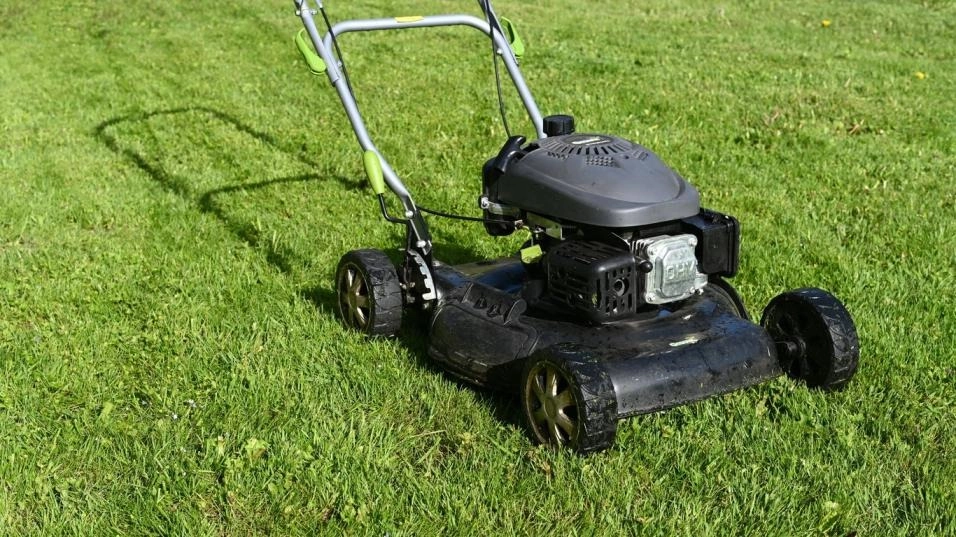
A working drive or deck belt keeps a mower running through Colorado's short cutting season, and on the Front Range that season is tighter than it looks on paper: most HOA and metro district covenants require regular mowing from spring green-up through the first hard freeze, with no allowance for a mower down for repair.
Why a Working Mower Matters More on the Front Range
Colorado's growing season runs roughly from the last hard frost through the first one in fall, shorter than in milder climates, which compresses the mowing calendar into a few intense months. Most Front Range HOAs and metro districts set a maximum turf height, commonly 6 to 8 inches, and enforce it with a warning letter and, after repeated violations, a fine or a contractor mow billed back to the owner. A mower sidelined by a worn belt during peak growth is one of the more common ways a homeowner ends up with a covenant notice.
Altitude and a Small Engine's Workload
Air at 5,280 feet carries roughly 17% less oxygen per breath than air at sea level, and a small gas engine tuned for sea-level air runs leaner up here unless the carburetor is jetted for altitude. A poorly tuned engine works the drive system harder to maintain cutting speed, which shortens belt life. Have the carburetor checked when the mower is serviced, especially on a machine bought or last tuned outside Colorado.
Belt Types: V-Belt, Timing Belt, Flat Belt
Most residential mowers use a V-belt, with a trapezoidal cross-section that grips the pulley and resists slipping. Some models use a timing belt with teeth that mesh with the pulley gears for precise, synchronized movement, and a smaller number use a flat belt paired with a separate tensioner. Check the owner's manual or the belt already on the mower before ordering a replacement; the three types are not interchangeable.
Measuring and Matching a Replacement Belt
Match length, width and belt type exactly, not just the mower model number, since manufacturers sometimes change belt specs between production runs of the same model. Measure the old belt's outer circumference and width before it fully fails, or pull the model and serial number off the mower deck and cross-reference the part number. A replacement lawn mower drive belt built to meet or exceed OEM tolerances holds tension longer than a generic, loosely toleranced aftermarket copy, and you are free to buy from any supplier once you have the exact specification.
OEM Versus Aftermarket: What Actually Matters
The material matters more than the brand name on the box. Look for belts rated for the heat and friction of continuous mowing, with reinforced fiber cord construction rather than a plain rubber loop; that construction resists stretching, which is the main reason a belt starts slipping and burning rubber smell mid-mow. Aftermarket belts built to those specs perform on par with OEM parts at a lower price in most cases.
Replacement Belt Cost
| Belt type | Typical cost |
|---|---|
| Push mower deck belt | $10 to $30 |
| Riding mower drive belt | $25 to $70 |
| Riding mower deck belt | $30 to $90 |
| Professional installation labor | $40 to $100 |
When to Replace a Belt Before It Fails
Inspect belts at the start of the mowing season and again mid-summer, the two points in a Front Range year when a mower gets the heaviest use. Replace a belt showing cracks, glazing, fraying edges or visible stretch before it snaps mid-mow and leaves the lawn half cut during a stretch of hot, fast-growing weeks. A snapped belt on a Friday afternoon before a weekend HOA inspection is an avoidable problem with a $2 spare part on hand.
Xeriscaping Cuts the Mowing Burden
Replacing part of a high-water lawn with native and drought-tolerant plantings reduces the square footage that needs regular mowing at all, which both eases the load on the mower and lowers a summer water bill. Many Front Range HOAs now count xeriscaped beds toward landscaping requirements instead of penalizing them; check the covenants, since a full lawn-to-xeriscape conversion sometimes needs design approval even when reduced turf is otherwise welcome. See xeriscaped homes in Colorado: a buyer's guide for what a lower-turf yard looks like in practice.
DIY Belt Swap or Call a Shop
Swapping a push mower deck belt takes a socket set, a pair of pliers and 20 to 30 minutes for most homeowners comfortable working under a tipped-back deck. A riding mower belt runs under the deck and around several pulleys, and routing it wrong causes premature wear or a belt that jumps off under load; a first-time riding mower belt job runs faster and cleaner at a small engine shop for $40 to $100 in labor. Either way, keep the old belt as a size reference for the next purchase.
A Mowed Lawn and Curb Appeal Before Selling
A freshly cut lawn with clean edges is one of the lowest-cost ways to improve a listing photo, and it is the first thing a buyer sees pulling up for a showing. Keep the mower running through the listing period rather than catching up on growth the week before photos.
Where to go next
- 6 low-maintenance plants perfect for Denver gardening
- Effective lawn care and maintenance tips for springtime in Colorado
- Denver HOA rules and fees guide
- Preparing and adding value before selling a Colorado home
- Search every home for sale in Colorado
- Kenna Real Estate Group agents
Talk to the Kenna Real Estate Group
Getting a Front Range lawn HOA-ready before you list? Call or text 303-955-4220. A live person answers. Not a robot, not a phone tree. Ready to see what is on the market? Search every home for sale in Colorado.
Homes for sale that match this post
- Special Districts Property Tax Guide in Denver
- HOA Rules and Fees Guide in Denver
- All homes for sale in Denver
Guides
Questions about any home in Colorado? Call or text 303-955-4220. A live person answers.