.jpg)


New - 11 Hours Ago
Yes, a Colorado home with foundation problems sells at a fair price when the seller does three things before listing: gets a structural engineer's report ($400 to $800), gets two written repair bids, and prices the home from sold comps minus the repair cost. Homes listed that way in the Denver metro sell to financed buyers and cash buyers alike. Homes listed without the report sell only to cash investors, at 65 to 80 percent of value.
The Kenna Real Estate Group at Keller Williams DTC lists homes with pier work, heaved slabs and stair-step cracks every year, from Fort Collins to Colorado Springs. This post covers why the Front Range has the problem, what the repair costs, what Colorado requires you to disclose, and how to choose between repairing, listing as-is, and taking a cash offer. The Colorado Home Seller's Guide covers the rest of the sale.
Why do so many Front Range homes have foundation problems?
Expansive bentonite clay. The soil under Denver, Aurora, Centennial, Highlands Ranch, Castle Rock, Parker, Colorado Springs and much of Fort Collins swells when it gets wet and shrinks when it dries, and it moves a foundation with it. Add freeze-thaw cycles from October through April, sprinklers and downspouts that dump water against the foundation, and 1970s to 1990s subdivisions built before today's soil engineering, and the result is the most common structural complaint on Colorado inspection reports.
Colorado takes the problem seriously enough that state law requires builders to hand buyers of new homes a soils report and a summary of the swelling-soil risk before closing. On a resale, the signs a buyer's inspector looks for are a heaved or cracked basement slab, stair-step cracks in block or brick, horizontal cracks in poured walls, doors that stick, drywall cracks above door frames, and floating basement walls that no longer float.
Are foundation cracks always a structural problem?
No. A vertical hairline crack under 1/8 inch in a poured wall is shrinkage and gets a $500 to $1,500 epoxy injection. A horizontal crack, a crack wider than 1/4 inch, a stair-step crack with displacement, or a slab that has heaved more than an inch is a structural engineer's call. The Denver-area foundation crack guide sorts the crack types with photos.
Spend the $400 to $800 on the engineer before you do anything else. The report tells you whether the movement is active or historic, what repair the engineer will sign off on, and whether the home needs piers, a new slab, or drainage work. Every step below depends on that one page.
Do I have to disclose foundation problems when selling in Colorado?
Yes. The Colorado Seller's Property Disclosure asks directly about structural problems, soil and drainage issues, and past repairs, and a seller who knows about a foundation problem discloses it. Selling "as-is" in Colorado means you will not make repairs; it does not remove the duty to disclose what you know. A seller who hides a known foundation defect faces a claim after closing that costs more than the discount would have.
Disclosure done right helps the price. Put the engineer's report, the repair bids, any repair invoices and the warranty paperwork in the listing documents so the buyer's agent reads them before writing the offer. Buyers pay for certainty, and a known problem with a known cost is certainty.
How much does foundation repair cost in the Denver metro?
| Repair | Front Range cost | When it applies |
|---|---|---|
| Structural engineer inspection and report | $400 to $800 | Every case, before listing |
| Epoxy or polyurethane crack injection | $500 to $1,500 per crack | Non-structural cracks that leak |
| Helical or push piers | $1,500 to $3,000 per pier; 8 to 20 piers on a typical home ($15,000 to $60,000) | Settling or heaving footings |
| Basement slab replacement or structural floor | $20,000 to $50,000 | Heaved slab on expansive clay |
| Grading, downspout extensions, sprinkler changes | $2,000 to $8,000 | Water against the foundation |
| Interior drain and sump pump | $6,000 to $15,000 | Water intrusion with the cracks |
Get two bids on the engineer's specified repair, not on the contractor's own idea of the repair. A pier company that sells piers when the engineer called for drainage work is a bid you throw out.
Should I repair the foundation before listing or sell as-is?
- Repair first when the bid is under 5 percent of the home's value, the contractor offers a transferable warranty, and you have 6 to 8 weeks before listing. A $25,000 pier job on a $600,000 Centennial home falls here.
- List as-is with the report and bids when the bid is 5 to 10 percent of value, or when the repair needs an engineer's sign-off that takes longer than your timeline. Price at comps minus the bid and offer a repair credit at closing.
- Take a cash offer when the bid is over 10 percent of value, the home has other major items (roof, sewer, electrical), or you need to close in under 30 days.
Repaired homes with a transferable warranty sell at the same price as neighbors without a foundation history in most Denver metro neighborhoods. As-is listings with a report sell at comps minus the repair cost. As-is listings with no report sell at comps minus the repair cost minus a 10 to 20 percent uncertainty discount, because the buyer is pricing the worst case.
How much does a foundation problem lower my home's value?
The repair cost plus 5 to 15 percent of that cost for the buyer's trouble, when the report and bids are in the listing. On a $600,000 Denver home with a $30,000 pier bid, expect offers from $560,000 to $568,000 with the paperwork, and from $480,000 to $520,000 without it. A Smart Pricing Report from the Kenna Real Estate Group prices the home both ways, repaired and as-is, from sold comps in your subdivision, so the list price is a number and not a guess.
Will a buyer's lender approve a mortgage on a home with foundation problems?
It depends on the report. Appraisers flag structural defects, and FHA and VA loans require the appraiser to call the structure sound, so an active foundation problem on an FHA or VA purchase gets repaired before closing or the loan does not fund. Conventional lenders accept an engineer's report that calls the movement historic and stable, and some allow a repair escrow holdback where the seller's credit sits with the title company until the work is done after closing.
Mike Oswald, VP of Mortgage Lending at Rate, NMLS 261003, Equal Housing Lender, reviews the engineer's report with the buyer and states whether the loan closes with a completed repair, a repair escrow, or a price credit. You are free to use any lender. The Colorado home financing guide covers renovation loans (FHA 203(k) and conventional HomeStyle) that let an owner-occupant buyer finance the repair into the purchase.
Who buys homes with foundation problems in Colorado?
- Cash investors and fix-and-flip buyers, who pay 65 to 80 percent of repaired value and close in 10 to 14 days. The Denver cash home buyers page explains how those offers are built.
- Owner-occupants with renovation loans, who pay closer to full value minus the repair and close in 45 days.
- Contractors and engineers, who know the repair cost and pay comps minus that cost.
- Buyers already touring your neighborhood, who want the location and accept a repair credit. These buyers only appear when the home is on the MLS.
The Colorado distressed homes guide shows how those buyers search, and the Denver cash buyers post covers when the investor route beats the MLS.
Cash offer or MLS listing: the numbers on a $600,000 home with a $30,000 repair
| Cash investor offer | MLS listing with report and bids | |
|---|---|---|
| Price | $400,000 to $480,000 | $555,000 to $570,000 |
| Days to closing | 10 to 14 | 35 to 50 |
| Inspection | None or a walk-through | Full inspection with the report already disclosed |
| Repairs before closing | None | None; credit or escrow at closing |
| Showings | 1 to 2 | 10 to 25 in the first two weeks |
| Net after commission and closing costs | $385,000 to $470,000 | $515,000 to $535,000 |
The gap runs $60,000 to $130,000 on this example. The cash route earns that gap back only when the home has to close in two weeks or has more wrong with it than the foundation. The when a cash offer makes sense in Denver post walks through the cases where it does.
What happens at the inspection objection deadline?
The Colorado Contract to Buy and Sell gives the buyer an inspection objection deadline, 7 to 10 days after the contract in most Denver metro offers, and an inspection resolution deadline a few days later. The buyer sends an objection asking for repairs, a credit or a lower price; you agree, counter, or decline; if the two sides do not sign a resolution by the deadline, the buyer terminates and gets the earnest money back.
A foundation problem disclosed with the report before the offer removes the surprise, so the objection is a negotiation over the credit, not a termination. A foundation problem the buyer's inspector finds on day 6 ends the contract 8 times out of 10 and puts the listing back on the market with a terminated contract on its history. The as-is sales process in Denver post covers the contract language.
Two things that help a Colorado foundation listing sell
- A transferable warranty. Most Front Range pier companies offer a warranty that transfers to the next owner, some for the life of the structure. Ask for it in writing before you sign the repair contract, and put it in the listing documents.
- A radon test with the engineer's report. Colorado basements test above the 4.0 pCi/L action level in more than half of tests, and a foundation crack repair paired with a $1,200 to $2,500 mitigation system answers the two basement questions every buyer asks at once.
The Denver inspection red flags post lists the other items that come up on the same report.
Where to go next
- How the Kenna Real Estate Group helps sellers
- Pricing your Colorado home to sell (Smart Pricing Report)
- Denver cash home buyers and fast sale choices
- How Denver sellers handle rising inspection demands
- Kenna Real Estate Group agents
- Search every home for sale in Colorado
Talk to the Kenna Real Estate Group
The Kenna Real Estate Group at Keller Williams DTC prices a home with foundation problems both ways, repaired and as-is, lines up the engineer and two repair bids, and puts the paperwork in front of buyers before they write, so the sale closes at comps minus the repair and not at an investor's discount. Call or text 303-955-4220. A live person answers. Not a robot, not a phone tree. When the next home is part of the plan, search every home for sale in Colorado.
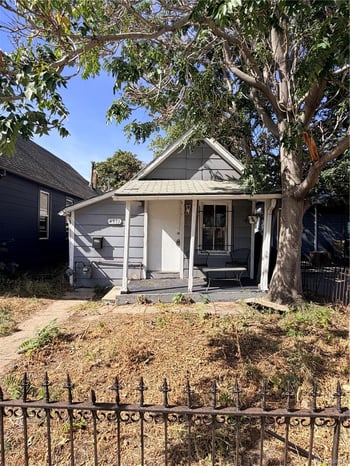
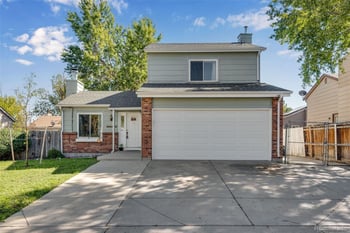
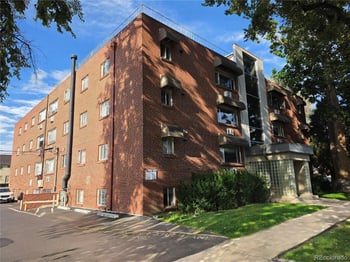
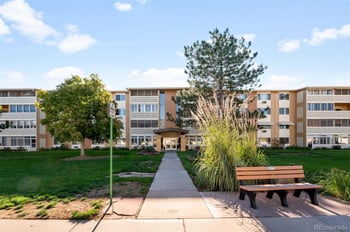
Homes for sale that match this post
Guides
Questions about any home in Colorado? Call or text 303-955-4220. A live person answers.