New - Just Now
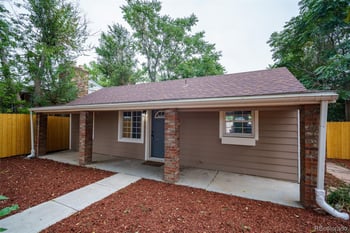
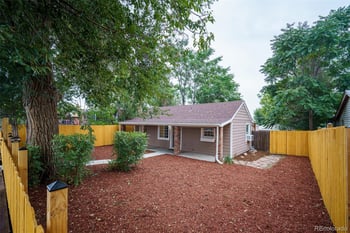
$400,000
Coming Soon
2
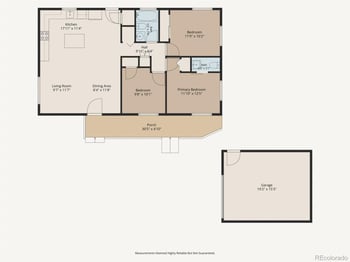
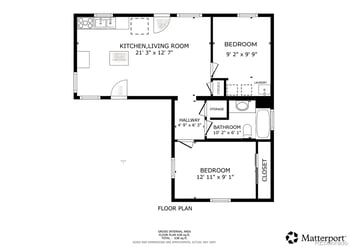
Beds
1
Baths
709
Sqft
0.14
Acres
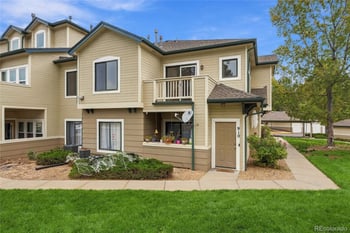
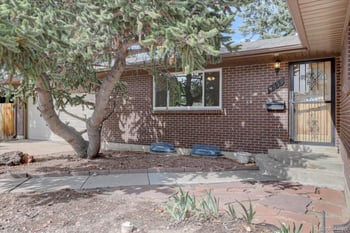
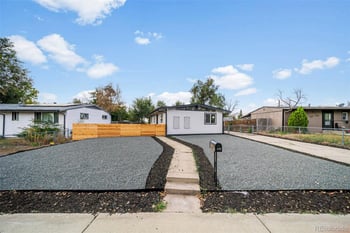
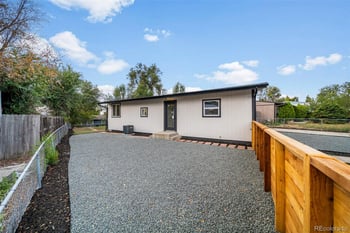
1240 S Navajo St, Denver, CO 80223
MLS#: REC6506849
.jpg)


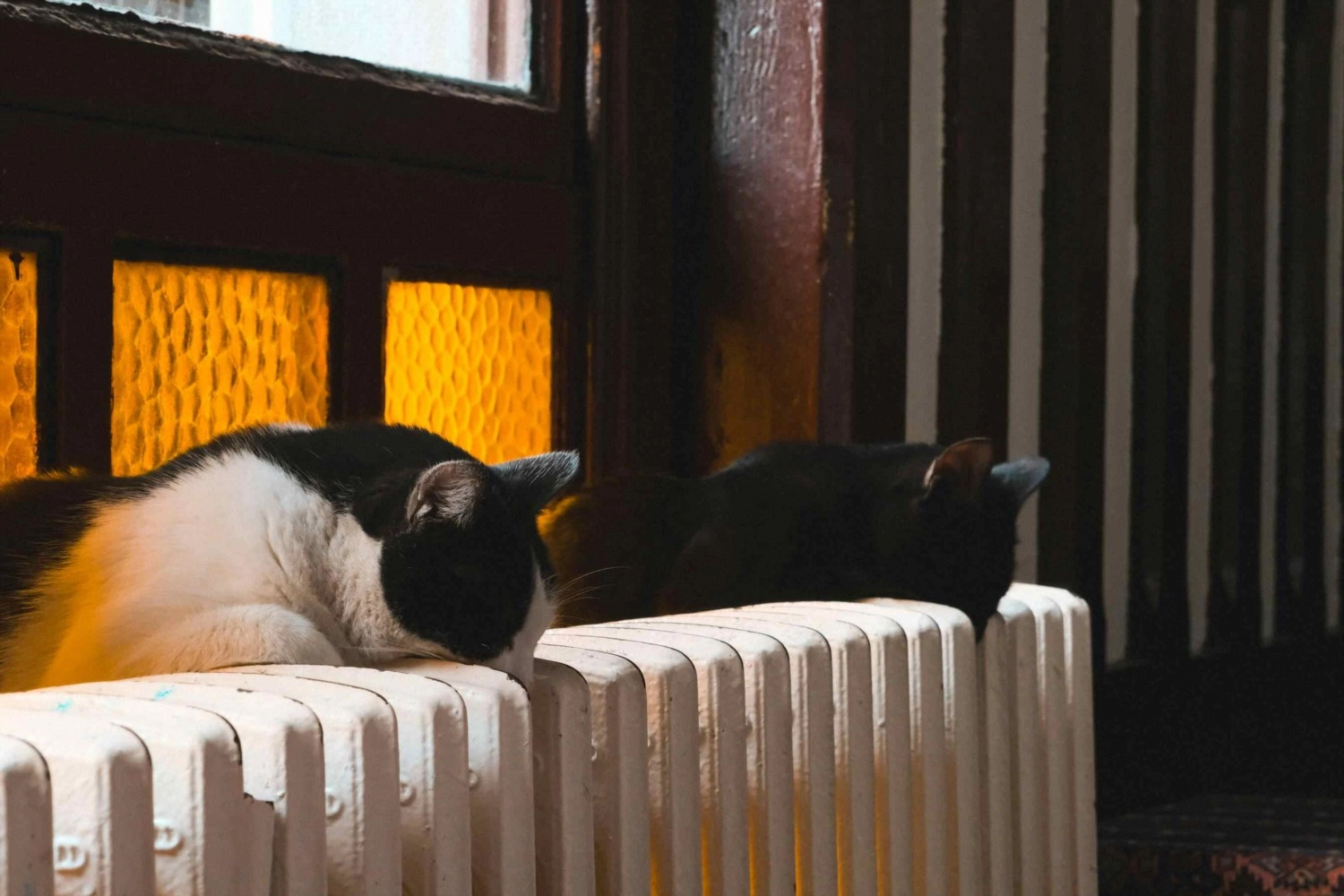
A cold-climate heat pump paired with a gas furnace as backup makes the most financial sense for most Front Range homes: the heat pump handles three-season heating and cooling at a lower operating cost, and the furnace covers the coldest nights when a heat pump alone struggles to keep up. A furnace-only system still costs less to install and remains the right call for a home with no existing ductwork built for cooling.
A modern cold-climate heat pump keeps producing heat down to zero degrees Fahrenheit and below, with output dropping as the temperature drops. Denver's average January low sits in the high teens, with occasional nights well below zero during an arctic outbreak. On those coldest nights, a heat pump's output falls enough that a backup heat source, a gas furnace or an electric resistance coil, carries the load.
A dual-fuel setup runs the heat pump for most of the heating season, when it moves heat more efficiently than a furnace burns gas, then switches to the furnace once the outdoor temperature drops past a set point the installer configures, commonly 20 to 30 degrees Fahrenheit. This combination cuts winter gas use by 40% to 60% on the Front Range compared with a furnace-only home, while keeping full heat output on the coldest nights of the year.
| System | Installed Cost | Winter Operating Cost | Works Below 0°F |
|---|---|---|---|
| Gas furnace only | $4,500 to $10,000 | $800 to $1,400/season | Yes |
| Heat pump only | $9,000 to $16,000 | $600 to $1,100/season | Reduced output |
| Dual-fuel (heat pump + furnace) | $13,000 to $22,000 | $500 to $900/season | Yes |
Xcel Energy runs a heat pump rebate program for qualifying cold-climate systems installed by a participating contractor, with the rebate amount set each program year; a homeowner confirms the current figure directly with Xcel Energy before signing a contract. Xcel's time-of-use electric rate charges more during a late-afternoon peak window and less overnight, which changes the payback math for a heat pump running on a smart thermostat schedule. For a broader look at how the federal credit stacks with other incentives, the home improvement credits page from the IRS lists the current federal rules.
The federal Energy Efficient Home Improvement Credit covers a percentage of a qualifying heat pump's installed cost, up to an annual cap set by the IRS, and stacks with any Xcel Energy rebate. A homeowner keeps the manufacturer's certification statement and the contractor's invoice to claim the credit on the following year's tax return.
Homes outside the Xcel Energy natural gas service territory, common in mountain towns and some unincorporated county areas, run on propane instead, and propane costs more per unit of heat than piped natural gas. In a propane-only market, a heat pump's operating cost advantage over a furnace grows, which shortens the payback period on the higher upfront cost.
A furnace's AFUE efficiency rating is set at sea level, and combustion efficiency drops at Colorado's elevation because of lower air density. Manufacturers publish a high-altitude derate for furnaces installed above 2,000 feet, and a licensed HVAC contractor adjusts the gas orifice and input rate during installation to match Denver's 5,280-foot elevation or a mountain address above 7,000 feet. Skipping that adjustment wastes gas and shortens the equipment's life.
A dual-fuel heat pump system pays back its higher upfront cost against a furnace-only system in 6 to 12 years at current Xcel Energy rates, faster with a rebate and the federal credit, slower in a mild winter with low gas prices. A homeowner planning to sell within 3 to 5 years recovers less of that payback directly, though a newer high-efficiency system still supports a stronger asking price.
Buyers and inspectors both note the age and type of a heating system, and a system under 5 years old with a working service record removes a negotiating point during the inspection objection period. The Preparing and Adding Value Before Selling guide walks through which mechanical upgrades return the most at closing, and Pricing Your Colorado Home to Sell explains how the Kenna Real Estate Group's Smart Pricing Report weighs mechanical age. Independent research on hybrid heat pumps covers the efficiency case in more detail, and one HVAC contractor's published furnace repair pricing page gives a sense of typical repair costs homeowners weigh against replacement.
The Kenna Real Estate Group helps Front Range buyers weigh a home's heating system against the rest of the purchase and helps sellers decide which mechanical upgrades are worth making before listing. Call or text 303-955-4220. A live person answers. Not a robot, not a phone tree. Search every home for sale in Colorado to see what's on the market right now.
Questions about any home in Colorado? Call or text 303-955-4220. A live person answers.
In most Front Range installs a heat pump pairs with a furnace in a dual-fuel system rather than fully replacing it, since a furnace covers the coldest nights of the year most efficiently.
Output drops as the temperature drops, and most Front Range dual-fuel systems switch to the furnace between 20 and 30 degrees Fahrenheit, a point the installer sets during commissioning.
Yes. An air-source heat pump works as the home's air conditioner in summer and switches to heating mode in winter, which is part of why it pairs well with an existing furnace instead of a separate AC unit.
An outdoor heat pump unit runs at a similar sound level to a central AC condenser; a well-installed unit positioned away from bedroom windows keeps the noise from being noticeable indoors.
Humidity has little effect on a heat pump's heating output; temperature and, to a smaller degree, wind exposure at the outdoor unit matter more on the Front Range.
An annual tune-up, keeping the outdoor unit clear of snow and debris, and a filter change on the same schedule as a furnace filter keep a heat pump running at its rated efficiency.
Yes, and in a propane-only market a heat pump's lower operating cost advantage over the existing heating fuel grows, which shortens the payback period.
A heat pump uses the same ductwork as an existing furnace in most retrofits, since both systems move heated or cooled air through the same ducts.