.jpg)


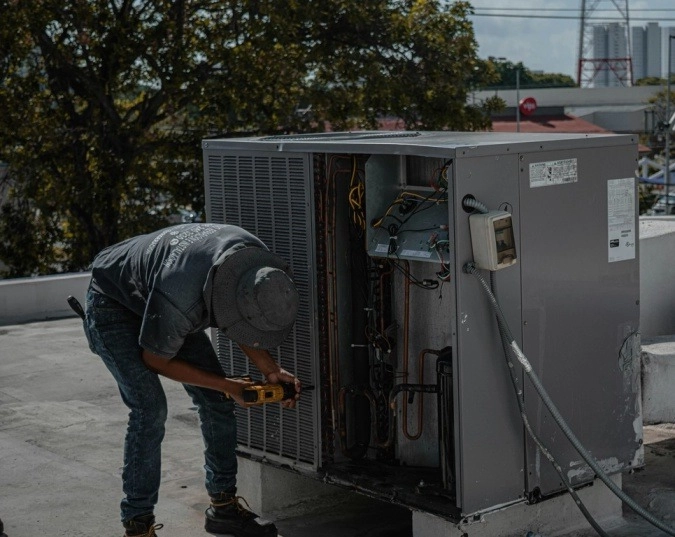
An HVAC upgrade pays off on the Front Range when the numbers cross a specific line: repair cost above roughly 50% of replacement cost, a system past 15 years old, or a documented monthly energy waste that adds up faster than a loan payment. Below that line, repair is the better math.
The 50% Rule for Repair vs. Replacement
When a repair estimate runs above 50% of the cost to replace the unit outright, replacement is the better financial move, since the repaired system is still aging toward its next failure. A $1,200 compressor repair on a 14-year-old AC unit that would cost $6,500 to replace crosses that line; the same repair on a 3-year-old unit does not.
A Worked Example: Repair or Replace on the Front Range
A 16-year-old furnace with a failed heat exchanger quotes at $2,200 to repair. A new, correctly sized furnace for the same home quotes at $6,000 after the Xcel Energy rebate. The repair sits at roughly 37% of replacement cost, which puts it under the 50% line on price alone, but the furnace's age, 16 years against a 15-to-20-year typical life, and a heat exchanger crack tied to carbon monoxide risk push the decision to replacement in this specific case. A licensed contractor's written estimate, not a rule of thumb alone, is what should decide a borderline case like this one.
What a New Furnace Costs Installed on the Front Range
A standard 80% to 96% efficiency gas furnace, sized and permitted for the home's actual elevation, runs $4,500 to $9,000 installed depending on efficiency tier and ductwork condition. Front Range installers factor the altitude derate into sizing at quote time, which is why a national average quote from an online calculator commonly undersells the real Colorado number.
What a New AC or Heat Pump Costs Installed in Denver
A central AC add-on runs $5,000 to $9,000 installed. A dual-fuel heat pump paired with the existing furnace runs $7,000 to $14,000. The HVAC system selected changes both the upfront number and the ongoing operating cost, which is the second half of the financial-sense question beyond the sticker price.
Do Xcel Energy Rebates Change the Payback Math
Xcel Energy rebates on qualifying high-efficiency furnaces, AC units, and heat pumps directly reduce the net cost of an upgrade, and the current rebate amount resets on a schedule Xcel sets each year. A licensed contractor pulls current rebate figures into the quote, which shifts the payback timeline meaningfully on a heat pump upgrade in particular.
How Altitude Affects HVAC Upgrade Cost and Sizing in Colorado
A Front Range installer runs a Manual J load calculation at the home's actual elevation and applies the standard altitude derate, roughly 4% of rated capacity per 1,000 feet, before quoting equipment size. Skipping that step on an upgrade risks an oversized or undersized system that either short-cycles or can't keep up, both of which erase the efficiency gains the upgrade was supposed to deliver.
How Long an HVAC Upgrade Takes to Pay for Itself
| Upgrade | Typical Installed Cost (After Rebate) | Typical Payback |
|---|---|---|
| Standard-efficiency furnace replacement | $4,000 to $7,500 | 8 to 12 years in energy savings alone; faster when paired with a needed repair avoided |
| High-efficiency furnace upgrade | $6,000 to $8,500 | 10 to 15 years in energy savings alone |
| Dual-fuel heat pump | $6,000 to $12,000 after rebate | 7 to 12 years, faster with high time-of-use rate exposure |
Payback runs faster for a homeowner planning to stay 10-plus years and slower for a near-term seller, which is why the resale angle matters as much as the utility-bill math.
Colorado Time-of-Use Rates and the Payback Calculation
Xcel's time-of-use rate structure charges more for electricity during peak afternoon and early-evening hours, which changes the payback math for a heat pump differently than for a gas furnace upgrade. A homeowner who shifts cooling load to a smart thermostat's off-peak pre-cooling schedule sees a faster payback than the sticker-price comparison alone suggests. Run the actual numbers on the utility's website or with a licensed contractor's quote before committing.
Does a New HVAC System Raise a Colorado Home's Resale Value
A documented, permitted system under 5 years old removes one of the largest unknowns from a buyer's offer. The Kenna Real Estate Group's Smart Pricing Report factors HVAC age, permit record, and efficiency rating into a home's list price the same way it does a roof or a kitchen remodel.
What HVAC Age Triggers a Replacement Conversation Before Selling
A furnace or AC past 15 years old is inside the window where a buyer's inspector routinely flags remaining life as a negotiation point, even when the unit is still running. A seller weighing an upgrade before listing versus pricing around an aging system should run both scenarios through a Smart Pricing Report before deciding, since the right answer depends on the specific home and market.
Should a Colorado Seller Upgrade HVAC Before Listing or Price Around It
A full upgrade rarely returns 100% of its cost at sale on its own, but a documented recent replacement removes a negotiating point a buyer's inspector would otherwise raise. Pricing around an aging system, with a credit or an adjusted list price, is the better move when a seller is close to a move and the system still functions. Review the trade-offs in the home-value prep guide.
Financing an HVAC Upgrade in Colorado
Contractor financing, Xcel Energy rebates, and a home equity line are the three most common ways Front Range homeowners fund an upgrade. A HVAC contractor quote is a paid partner of this site, and you are free to get quotes from any licensed Colorado contractor before committing to financing terms.
Should a Colorado Homeowner Upgrade the Furnace or the AC First
Whichever system is older or carries the higher repair estimate goes first; there is rarely a case for replacing both at once unless one job is already opening the ductwork or the electrical connections the other needs. Bundling a furnace and AC replacement into a single project commonly saves on labor, roughly 10% to 15% versus two separate jobs, so it is worth pricing both scenarios if either system is within a few years of the other's expected replacement date.
What an Inefficient Furnace Costs Extra Each Colorado Winter
An aging or improperly sized furnace commonly burns 10% to 25% more gas than a correctly sized, high-efficiency replacement across a full October-through-April heating season. That gap alone, run against current gas prices, is commonly the single biggest number in the upgrading decision, separate from the resale math entirely.
Where to go next
- Why a High-Efficiency HVAC System Is the Secret Weapon for Colorado Home Sellers
- How Platinum HVAC Is Raising the Standard for Heating and Cooling in Colorado
- Your Complete Homeowner's Guide to AC Repair in Denver
- Get a Smart Pricing Report for your Colorado home
- Preparing and adding value before you sell
- Search every home for sale in Colorado
Talk to the Kenna Real Estate Group
The Kenna Real Estate Group runs the upgrade-versus-price-around-it math with every Front Range seller weighing an aging HVAC system before listing. Call or text 303-955-4220. A live person answers. Not a robot, not a phone tree. Ready to see what your home is worth as-is? Search every home for sale in Colorado.
Homes for sale that match this post
Guides
Questions about any home in Colorado? Call or text 303-955-4220. A live person answers.