New - 15 Mins Ago
.jpg)


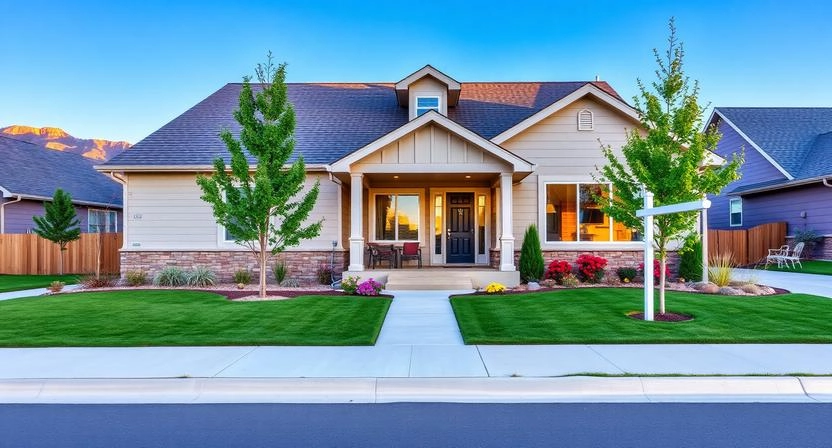
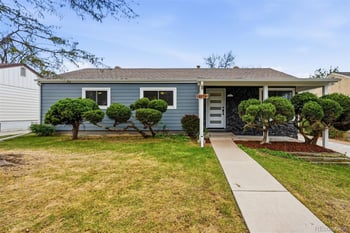
A Colorado home is ready to sell when the clutter is gone, every visible defect is fixed, the sewer line and radon level are known, the roof age is documented, and the photos are taken with the lights on and the curtains open. On a Denver metro home near the $580,000 to $620,000 median, that prep costs $3,000 to $9,000 and returns $15,000 to $40,000 at closing, because buyers price every visible flaw at three to five times its repair cost.
This is the prep list the Kenna Real Estate Group runs with every seller from Fort Collins to Colorado Springs, ordered by return and built around what Colorado inspectors look for: hail, expansive clay, radon and old clay sewer pipes.
Buyers decide in the first 30 seconds on the driveway and the first two minutes inside. Walk in through the front door with your phone camera on and photograph every room from the doorway. The camera shows the mail pile, the ski rack in the entry and the garage that became a storage unit.
Then clear it. Pack the personal photos, the collections, the fridge art and half the closet contents into boxes now. Every box packed today is a box you do not pack the week of closing, and a home with 30 percent less in it photographs bigger.
Every number below is a range for a 1,800 to 2,400 square foot single-family home on the Front Range.
| Prep item | Denver metro cost | What it does at closing |
|---|---|---|
| Deep clean plus carpet clean | $400 to $900 | Required. Dirt reads as neglect in every photo. |
| Interior paint, main rooms, warm white or greige | $1,500 to $4,500 | Highest return of any prep item, 150 to 300 percent. |
| Pre-listing inspection | $400 to $700 | Finds what the buyer's inspector will use to renegotiate. |
| Sewer scope | $150 to $350 | Removes the most common $5,000 to $15,000 surprise in older Denver homes. |
| Radon test, 48-hour | $150 to $250 | Colorado is EPA Zone 1. A known number beats an unknown one. |
| Handyman day for the small fixes | $400 to $900 | Faucets, sticking doors, dead switches, loose railings. |
| Yard cleanup, mulch, edging, trimmed shrubs | $300 to $1,200 | Sets the first-photo impression that books the showing. |
| Staging consultation or vacant staging | $250 to $3,500 | Occupied homes need the consultation; vacant homes need furniture. |
| Professional photos, drone and floor plan | $250 to $600 | The Kenna Real Estate Group covers this for its listings. |
The full list of what to fix and what to leave alone is on our preparing and adding value before selling page.
Yes, when the home is more than 15 years old or has never been inspected by the current owner. The buyer's inspector will find everything below by the inspection objection deadline. A seller who finds it first fixes it at contractor cost instead of paying the buyer's markup as a price cut. Three tests matter more in Colorado than in most states:
The objections that end Denver contracts are listed in Top 10 inspection red flags that kill Denver home sales.
Colorado hail season runs May to September. The buyer's insurance carrier asks the roof's age before writing the policy. A roof over 15 years old gets a higher premium, an actual-cash-value roof endorsement, or a demand for a roof inspection before binding.
Before listing, gather the install date, the shingle type and class rating, and any hail claim paperwork. A roof certification from a licensed roofer costs $150 to $300. If the roof is past 20 years on 3-tab asphalt, get two replacement bids; a 2,000 square foot asphalt roof in the Denver metro runs $12,000 to $22,000, and Class 4 impact-resistant shingles earn an insurance discount buyers notice. Costs by material are in Roof replacement in Colorado: costs, lifespan and materials.
Fix everything a buyer touches or sees on a showing. Skip everything they cannot see unless it fails an inspection.
Plumbing items that come up in nearly every Denver inspection are in How to prepare plumbing before selling your Denver home.
Yes. Staged homes in the Denver metro photograph better, show better and draw offers in the first 14 days, which is when the best offers arrive. An occupied home needs a two-hour staging consultation, $250 to $500, and the seller does the work: pull furniture 12 inches off the walls, take one piece out of every room, clear every counter, and make each room read as one thing.
A vacant home needs real furniture in the living room, dining room, kitchen and primary bedroom. Denver metro staging companies charge $2,000 to $3,500 for the first month on a 2,000 square foot home and $500 to $1,000 per month after. Cost surveys from insurers, like this one from Travelers, land in the same range. Sellers who want to test layouts before renting furniture read How AI room visualization helps Denver sellers decide what to stage.
The Denver metro's strongest listing window is the first week of March through the end of June. Showing traffic peaks from April through early June, and the DMAR monthly reports show the highest close prices of the year in June and July. Listing in mid-February puts the home in front of buyers before the spring inventory arrives. Month-by-month detail is in The best times to buy or sell a house in Colorado.
Front Range turf greens up in late April and goes dormant in late October. A March listing shows a brown lawn, so the prep is edging, fresh mulch, trimmed shrubs and a swept driveway, not sod. Denver Water's summer rules limit watering to three days a week and never between 10 a.m. and 6 p.m.; run the system on schedule so the lawn is green for summer showings. Winter listings need the sprinklers blown out ($60 to $120) and the walks shoveled within 24 hours of snow, as Denver's ordinance requires. The fixes that matter from the curb are in 8 curb appeal fixes for Front Range sellers.
The move starts the day you decide to sell. Sort while you declutter: keep, donate, toss. Label every box by the room it lands in at the next home. Book the mover the week you list, because Colorado closings cluster at month end and the good crews book out three to four weeks from May through July.
A local Denver metro move for a three-bedroom home runs $1,200 to $3,000 with a licensed crew; a Front Range to out-of-state move runs $4,000 to $12,000 by weight and distance. Sellers who line up professional moving support early keep the home show-ready while it is under contract. What stays with the house is in Things you should leave behind when selling your Colorado house.
Sell as-is when the repair list exceeds 10 percent of the home's value, when the home is an estate or a rental with tenants in place, or when the seller needs to close in 30 days and has no cash for prep. As-is listings in the Denver metro sell 8 to 15 percent under the prepared comparable. The process, including what the disclosure still requires, is in Understanding the as-is sales process in Denver.
Prep changes the comparable set. A painted, staged, inspected home with a sewer report and a radon number competes with the top third of active listings, not the middle. The Kenna Real Estate Group's Smart Pricing Report prices the home against closed sales that match its condition after prep and shows net proceeds at three list prices. The full sequence from prep to closing table is in the Colorado Home Seller's Guide.
The Kenna Real Estate Group walks every seller's home before it lists, hands over the prep list ranked by return, orders the sewer scope and radon test, and prices the finished home with a Smart Pricing Report. Call or text 303-955-4220. A live person answers. Not a robot, not a phone tree. Sellers who are also buying can search every home for sale in Colorado on one map.
Questions about any home in Colorado? Call or text 303-955-4220. A live person answers.
$3,000 to $9,000 on a 1,800 to 2,400 square foot home: cleaning, paint in the main rooms, a handyman day, yard cleanup, a pre-listing inspection with sewer scope and radon test, and a staging consultation. Vacant staging adds $2,000 to $3,500.
Yes for any home built before 1980. The scope costs $150 to $350 and a clay-line root problem costs $3,000 to $20,000 to fix. Sellers who know the number price it; sellers who do not pay the buyer's markup at the inspection deadline.
Colorado sellers give buyers the state radon warning statement and disclose any known test results on the Seller's Property Disclosure. A 48-hour test runs $150 to $250 and a mitigation system $1,000 to $2,500.
Past 15 years, buyers' insurance carriers raise premiums or require an inspection; past 20 years on 3-tab asphalt, plan on replacement bids. A roof certification for $150 to $300 answers the question up front.
No. A $40,000 kitchen returns $25,000 to $30,000 at sale in the Denver metro. Paint the cabinets, replace hardware and the faucet for $1,500 to $3,500 and put the rest into the list price.
Homes that go under contract from April through June close at the highest prices of the year in DMAR's monthly data. List in mid-February to early March to be in front of buyers before spring inventory arrives.
Furnished and edited. Pull furniture off the walls, take one piece out of each room, clear every counter. A vacant home needs staged furniture in the living room, dining room, kitchen and primary bedroom.