.jpg)


How to Get Approved for a Denver Mortgage Loan
Lenders will look at three main things when you apply for a loan. They are:
- Credit: Do you have a history of paying your bills on time?
- Income: Do you have enough income to afford mortgage payments?
- Assets: Do you have enough assets to pay the down payment and closing costs?
This information about you is crucial to the application. However, the lender must also approve the property based on the appraisal report. Here are some reasons why the lender may deny a property:
- Insufficient value: The property is not worth the sales price.
- Habitability issues: The property is not sound for habitation.
- Unmarketablity: The lender would need help selling the home if you went into foreclosure. This may be because it is not accessible year-round, or it is an unusual style of home (log, dome, etc.).
If you have been approved based on your financial information, but the property has been denied, you may need to find a different property you want to purchase.
What Goes Into a Credit Report?
Two things go into a credit report: your credit score and monthly liabilities.
Credit Score
Most loan programs require a minimum credit score of 620 for approval. But if you don't have a credit score, you may still qualify for a loan if you prove that you have been paying at least three different accounts (rent, utilities, car insurance, etc.) over the past 12 months.
Ready to find your dream home in Colorado?
Let us help you. Call or Text Kenna Real Estate Group at 303-955-4220 to get personalized assistance from our expert real estate agents. Find out what your home is worth in today's market.
If you are unhappy with your credit score, there are certain things that you can do to improve it over time:
- Pay your bills on time
- Make sure all your accounts are current
- Pay down the balances on your credit cards
Monthly Liabilities
Certain significant monthly liabilities are also included on your credit report, such as rent, insurance payments, etc. This does not include food, gasoline, etc.
Liquid Assets
Assets are anything you have that is worth money. But lenders are only considered with certain assets liquid assets. Liquid assets can be turned into cash quickly, such as checking and savings accounts, money market accounts, certificates of deposit (CDs), mutual funds, stocks and bonds, 401(k) accounts, and IRAs. Lenders want to ensure you have enough liquid assets to pay your downpayment and closing costs and that you can make mortgage payments even after a loss of income.
Non-liquid assets, such as cars, art, antiques, and businesses, cannot be turned into cash quickly. These will not figure into your mortgage application, as they will generally not help you to pay off your mortgage.
Down Payment
How much money do you need for a down payment? It depends on several things:
- Loan type (see the various loan types on this page for specifics)
- Property type (condos may require a higher down payment)
- Occupancy Type (primary residence, second home, or investment property)
- Your credit score
- The current state of the local market
Many down payment assistance programs are available for people with limited assets who fall below a certain income level. These programs generally cover about 3%-6% of the sales price. Though the eligibility guidelines are strict, one of these programs may help you realize your dream of homeownership.
Closing Costs
Many things contribute to closing costs. Some fees go to the lender, the real estate agent, the appraiser, and other third parties. Here are some things to know about closing costs:
Ready to find your dream home in Colorado?
Let us help you. Call or Text Kenna Real Estate Group at 303-955-4220 to get personalized assistance from our expert real estate agents. Find out what your home is worth in today's market.
- Once you give the mortgage broker all the required materials (your name, monthly income, Social Security number, property address, estimated property value, loan amount, and signed sales contract), the broker has three days to deliver a Good Faith Estimate (GFE) of the closing costs.
- Before closing, you will receive a Final Settlement Statement showing the exact closing costs.
- The seller is allowed to pay for the closing costs, up to a certain amount, depending on the type of loan.
Locking the Interest Rate
Once you have signed a sales contract, the lender can only approve your loan once the interest rate has been locked. The interest rate should be closed ten days before closing, if not earlier. Interest rates are usually locked for 15-day increments (15, 30, or 45 days), so be sure the lock will last through closing. Otherwise, you may have to pay for a rate-lock extension to ensure the rate does not change before closing.
Pre-Approval
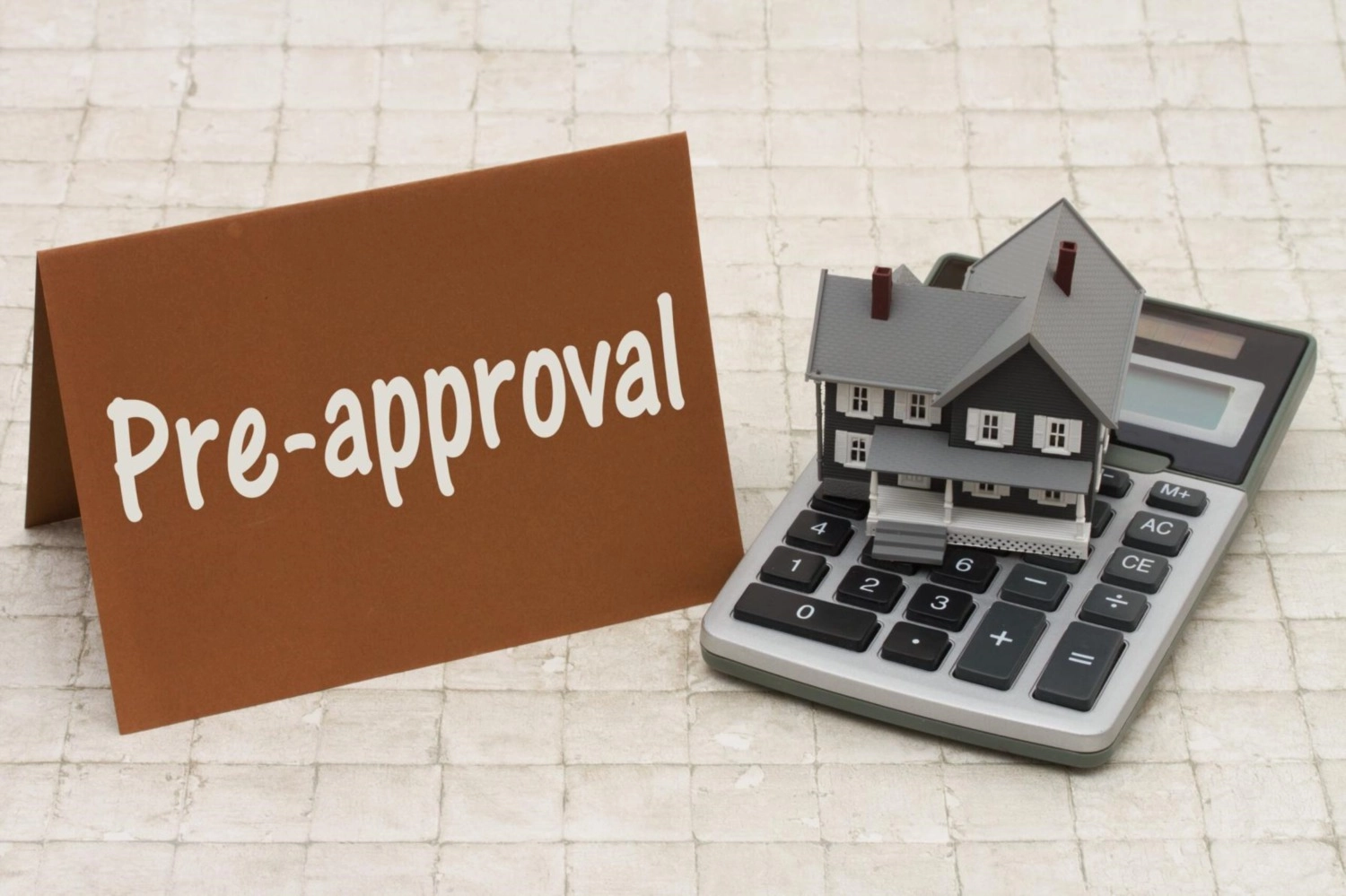
When shopping for a home, it helps to know how much you'll be able to borrow. With a mortgage pre-approval, you can be approved for a mortgage up to a certain amount. You can then bid on a house within that limit by submitting a pre-approval letter and offer.
 303-955-4220
Disclaimer: Kenna Real Estate Group at Keller Williams DTC. Blog does not assure nor is in any way responsible for the accuracy of the information provided herein, and provides said information without warranties of any kind, either expressed or implied. Blog posts on the Kenna Real Estate Group. Blog represent the opinions and ideas of the author(s). Kenna Real Estate Group. Blog does not express the views of Kenna Real Estate Group. or those of the broker.

Denver CO Luxury Foreclosure REALTORS® - Opportunities by Brian Burke is licensed under a Creative Commons Attribution-Noncommercial-No Derivative Works 3.0 United States License."Denver Luxury Foreclosures - Opportunities" By Brian Burke.