New - 10 Hours Ago
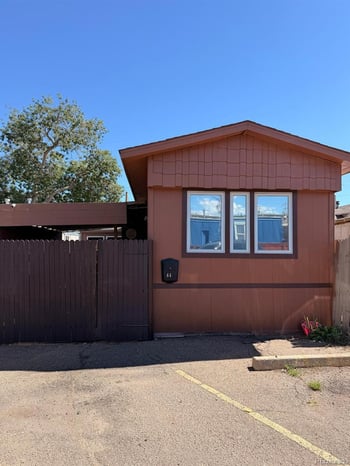
$90,000
Active
3
Beds
1
Baths
720
Sqft
53
Acres
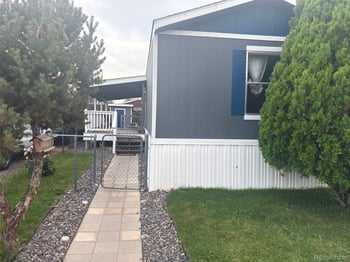
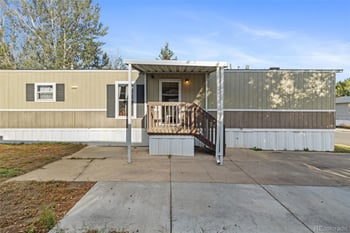
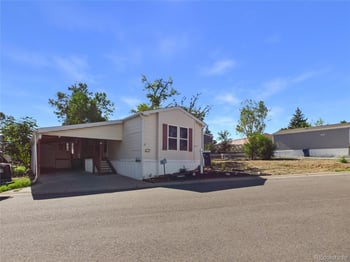
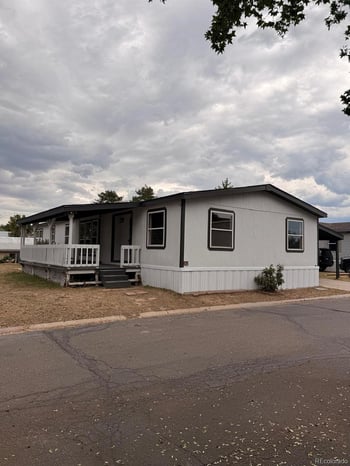
2040 S Federal Blvd Lot 44, Denver, CO 80219
MLS#: REC9346992
.jpg)



Buying a manufactured home does not come with the right to place it on any lot you like. Zoning, utility access, and site conditions all decide whether a specific piece of Colorado land actually works, and finding that out after closing is one of the most expensive mistakes a buyer can make. Here is what to check before you make an offer on land.
It is easy to evaluate only the flat pad where the home will sit and skip the rest of the property. Walk the full lot and think about where vehicles will park, whether there is room for a future garage or workshop, and whether emergency vehicles can reach the home. A property that works for the home alone but boxes in every other future use is worth less than one with room to grow.
Counties and municipalities across Colorado set their own rules for where manufactured housing is allowed, and those rules vary block by block in unincorporated areas. Beyond zoning, check for neighborhood covenants, minimum home size requirements, and age restrictions on the home itself that some subdivisions apply specifically to manufactured housing. Contact the local planning and zoning office before making an offer on any parcel, whether you plan to buy outright or place a home on land you already lease.
Many established Front Range HOAs restrict manufactured housing outright or require it to meet specific foundation, skirting, and roof-pitch standards to blend with site-built homes nearby. A metro district itself does not, as a rule, restrict home type, but it can add a mill levy to your property tax bill for infrastructure the district financed, which affects your total monthly cost regardless of what kind of home sits on the lot. Get the HOA's governing documents and any metro district disclosure in writing before you close.
Raw land in a location you love can still demand a large additional investment to make it livable. Moving electrical service several hundred feet across a property can add thousands of dollars to installation costs, and well-drilling prices in Colorado vary widely by local geology — a shallow well in the South Platte basin costs far less than a deep well drilled through granite in the foothills. Before you buy, get firm numbers on:
Most Colorado lenders require a manufactured home to sit on a permanent foundation meeting HUD and local building code standards before they will finance it as real property rather than as personal property (like a vehicle). A home titled as personal property carries a chattel loan with a higher rate and shorter term than a standard mortgage, so confirming foundation requirements with your lender and your county building department before you buy the land affects your financing options directly.
Placing a manufactured home on a permanent foundation requires a building permit in nearly every Front Range jurisdiction covering the foundation, utility connections, and set-up, plus a separate septic permit from the county health department if the property is not on public sewer. Requirements and timelines differ between El Paso County, Weld County, unincorporated Douglas County, and incorporated cities, so confirm the specific permit list and expected timeline with the relevant building department before you set a closing date.
A septic system and its leach field require separation distances from the home, the well, and the property line that add up fast on a small lot. A county health department can tell you the minimum lot size and setback requirements for your specific soil type before you buy, since expansive clay soils common across the Front Range and eastern Colorado plains affect both septic design and foundation engineering.
A manufactured home is built to the federal HUD code and transported on its own chassis; a modular home is built to the same state building code as a site-built house and delivered in sections for final assembly on a foundation. Some covenants and zoning codes treat the two differently, so confirm which category your home falls into before assuming a lot that allows one automatically allows the other.
Land-and-home financing is available through several loan types once the home is set on a permanent foundation, and combining the land purchase and home placement into one construction-to-permanent loan can simplify the process compared to buying land separately and financing the home later. For financing questions on this kind of purchase, the Kenna Real Estate Group works with Mike Oswald at Rate (NMLS 261003, Equal Housing Lender) — you are free to use any lender.
A manufactured home on owned land with a permanent foundation appreciates more consistently than one on leased land in a manufactured home community, since land ownership itself is a major driver of long-term value in Colorado's market. Location, lot size, and whether the home sits on owned versus leased land matter more to resale than the home's construction type alone.
Drainage and access matter as much as zoning on file. Walk the lot after a rain if you can, and note whether water pools near the intended home site or drains away cleanly — on Front Range clay soils, standing water near a foundation is a problem that shows up within the first year. Check that a delivery truck can actually reach the site: a narrow gate, a steep driveway grade, or overhead power lines along the access route can turn a straightforward placement into an expensive crane job. Ask about the parcel's elevation and any floodplain designation through the county's floodplain map before you commit, since insurance costs and buildable area both change inside a mapped floodplain.
Sourcing county-specific manufactured housing installer requirements or getting manufactured housing installation handled by a certified professional matters as much as the land itself. A poorly set foundation or misrouted utility connection is expensive to fix after the home is in place, so vet your installer with the same care you use to vet the land.
Before you buy land for a manufactured home in Colorado, the Kenna Real Estate Group can help you check zoning, HOA restrictions, and utility access so you are not surprised after closing. Call or text 303-955-4220. A live person answers. Not a robot, not a phone tree. Or search every home for sale in Colorado to compare land and existing homes side by side.
Questions about any home in Colorado? Call or text 303-955-4220. A live person answers.
No. Zoning varies by county and municipality, and many HOA covenants restrict or set standards for manufactured housing. Confirm zoning and covenants with the local planning office before you buy.
Most Colorado lenders require a permanent foundation meeting HUD and local code standards to finance the home as real property. Without one, it is financed as personal property with a shorter-term, higher-rate chattel loan.
A building permit covering the foundation and utility connections, plus a separate county septic permit if the property is not on public sewer. Requirements differ by county and city, so confirm with the local building department.
It varies with distance and local geology. Moving electrical service several hundred feet can add thousands of dollars, and well-drilling costs depend heavily on the specific site's ground conditions.
A manufactured home is built to the federal HUD code on its own chassis. A modular home is built to the same state building code as a site-built house and assembled in sections on a foundation. Zoning sometimes treats them differently.
A manufactured home on owned land with a permanent foundation appreciates more consistently than one on leased land in a home community, since land ownership drives much of the long-term value.
Yes, through a construction-to-permanent loan once the home will sit on a permanent foundation, which can simplify the process compared to financing the land and home separately.