New - 7 Hours Ago
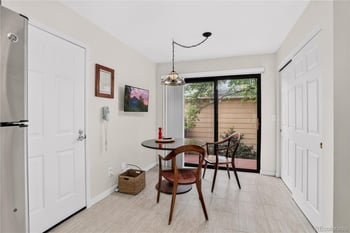
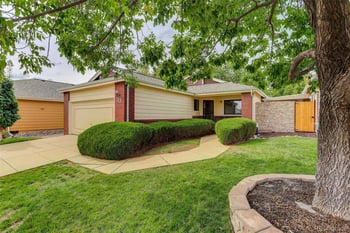
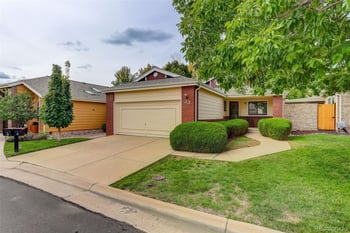
$564,300
Active
2
Beds
2
Baths
2094
Sqft
0.11
Acres
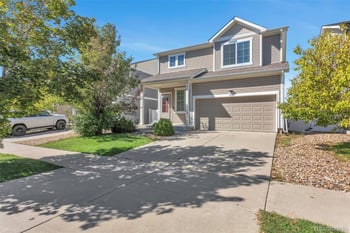
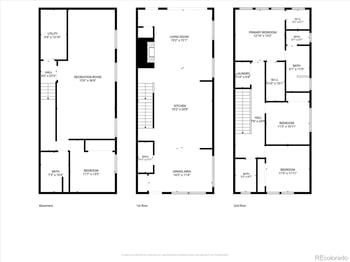
8080 E Dartmouth Ave #33, Denver, CO 80231
MLS#: REC4456908
.jpg)



Appliances take more abuse on the Front Range than they do in most of the country: harder tap water leaves mineral scale inside dishwashers and washing machines, thin dry air cracks rubber seals faster, and altitude changes how gas appliances combust. Colorado sellers who maintain and document appliance condition before listing consistently show better than sellers who let a buyer discover a scaled-up water heater during inspection.
They rarely add dollar-for-dollar value the way a kitchen remodel does, but a documented set of newer, efficient appliances removes a line item from a buyer's mental repair list and supports a stronger first offer. Buyers touring Front Range listings notice an obviously dated appliance suite and price the replacement cost into their offer whether the seller accounts for it or not.
Denver Water and most Front Range utilities deliver moderately hard to hard water, and the dissolved minerals build up inside dishwashers, washing machines and water heaters over time, reducing efficiency and shortening the appliance's working life. Colorado Springs and communities relying on well water tend to run even harder, which is part of why water softeners are common across the region.
Xcel Energy runs a rebate program for ENERGY STAR-certified appliances and equipment for Colorado customers, and the specific rebate amounts and eligible models change from year to year. Sellers or buyers planning a replacement should check Xcel's current rebate schedule directly before purchasing, since acting before a model or program changes can add real savings to the project.
Yes. Gas appliances designed and calibrated for sea level burn less efficiently at Front Range elevations between 5,000 and 7,500 feet, which is why manufacturers publish altitude-adjustment kits and installers derate burner orifices for Colorado installations. A gas range, furnace or water heater installed without the correct altitude adjustment runs less efficiently and can trip inspection issues during a sale.
Purchase receipts, installation dates, service and repair records, and any warranty documentation for major appliances — range, dishwasher, washer, dryer, water heater and furnace — give a buyer confidence and give an agent something concrete to put in the listing description instead of a vague "updated" claim.
The general home inspection notes visible appliance condition and age where the manufacture date is accessible, though a full appliance inspection falls outside its scope in most cases. Buyers and their agents frequently ask directly about water heater and furnace age during showings, since both carry a defined working life and a real replacement cost.
Water-efficient dishwashers and washing machines use a fraction of the water older models require, which matters directly on the Front Range where many utilities charge tiered rates that rise with usage and set summer watering-day restrictions. A seller upgrading appliances before listing can point to lower utility costs as a real, documented selling point.
A 40 to 50-gallon tank water heater covers most Denver metro single-family homes with two to four occupants; larger households or homes with high-demand fixtures commonly move to a 50 to 75-gallon tank or a tankless system sized for the home's peak demand. A plumber sizing a replacement should also confirm any altitude derating the specific model requires.
It depends on condition, not just age. A functioning appliance with clean service records rarely needs replacing before listing; a scaled, leaking or visibly failing appliance is worth replacing or disclosing clearly, since a buyer's inspector will flag it and the repair negotiation afterward commonly costs more than a planned replacement.
Annual service for gas appliances — furnace, water heater, range — is standard practice anywhere, and it matters more at altitude because combustion efficiency drifts further out of spec without regular tuning. Dishwashers and washing machines benefit from a descaling or filter cleaning on a schedule tied to local water hardness rather than a fixed calendar.
Running a monthly descaling cycle with a citric-acid or dedicated appliance descaler, cleaning the washer's detergent drawer and door seal, and checking the dishwasher's spray arms for mineral buildup all extend appliance life in hard-water areas. A whole-home water softener addresses the root cause rather than treating each appliance separately.
Buyers increasingly ask about efficiency, particularly for water heaters, furnaces and laundry appliances, since utility costs are a real monthly number a buyer budgets against. An ENERGY STAR label on a listing sheet is a concrete detail that reads better than a general "energy-efficient" claim.
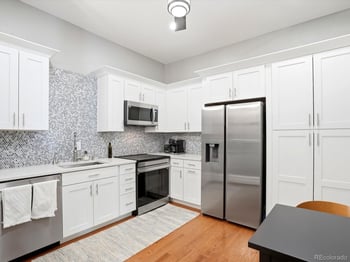
Kitchens with matching, working, visibly maintained appliances photograph better for the listing and show better in person, and buyers spend more time in a kitchen than almost any other room during a showing. A single dated or mismatched appliance can pull attention away from an otherwise updated space.
A simple maintenance log with dates and service provider names, kept in a folder or a shared document, covers most of what a buyer's agent asks for. Some sellers work with a repair service that documents each visit; directories listing sustainable appliance repair services that track eco-conscious repair and disposal practices are one example of the kind of documented service history that supports a listing.
Yes, in most Front Range and Colorado Springs homes with municipal or well water testing hard. A softener reduces the mineral scale that shortens the life of water heaters, dishwashers and washing machines, and the upfront cost is commonly recovered through extended appliance life and lower maintenance.
A standard 40 to 50-gallon tank water heater installed runs roughly $1,500 to $3,000 in the Denver metro, with tankless systems running higher, commonly $3,500 to $6,000 installed, due to the venting and gas-line work most tankless conversions require.
Payback varies widely by appliance and household usage, and depends on the specific utility rate tier and any current Xcel Energy rebate applied at purchase. Sellers should treat efficiency upgrades as a resale and comfort improvement first, with utility savings as a secondary benefit rather than the primary financial case.
Colorado's standard seller property disclosure asks about the condition and age of major systems and included appliances, and a seller should answer accurately based on what they know, including any known defects or repairs, rather than leaving the section blank.
Colorado's low humidity dries out rubber door seals and gaskets faster than a humid climate does, which is a common source of washer door leaks in older units. A seal that looks cracked or brittle is a low-cost fix worth handling before a buyer's inspection flags it.
Fix anything actively leaking, scaled to the point of reduced function, or past its typical working life with visible wear; disclose anything the seller knows about but has not repaired, since Colorado's disclosure requirements cover known issues whether or not they are visible during a showing. A property manager coordinating repairs across a rental portfolio, such as those working through firms like professional property managers, follows this same fix-or-disclose standard on most unit turnovers, and Colorado sellers are free to use any repair provider or property manager they choose.
Sellers preparing a listing can request the printable Colorado pre-listing appliance checklist in the form below and we email it the same day.
| Appliance | Typical working life on the Front Range | Hard-water sensitivity |
|---|---|---|
| Dishwasher | 9 to 12 years | High |
| Washing machine | 10 to 13 years | High |
| Clothes dryer | 12 to 15 years | Low |
| Tank water heater | 8 to 12 years | High |
| Gas range | 13 to 18 years | Low, altitude-sensitive |
| Furnace | 15 to 20 years | Low, altitude-sensitive |
The Kenna Real Estate Group tells Colorado sellers exactly which appliance and system updates are worth doing before listing, and which ones to simply disclose. Call or text 303-955-4220. A live person answers. Not a robot, not a phone tree. Ready to see what similar homes are listing for? Search every home for sale in Colorado.
They rarely add dollar-for-dollar value on their own, but documented, working appliances remove a line item from a buyer's repair list and support a stronger offer.
Denver-area tap water runs moderately hard to hard, leaving mineral scale inside dishwashers, washers and water heaters, and Colorado's dry air cracks rubber seals faster than in humid climates.
Xcel Energy runs a rebate program for ENERGY STAR-certified appliances that changes from year to year. Check the current rebate schedule before purchasing.
Yes. Appliances calibrated for sea level burn less efficiently at Front Range elevation, which is why installers derate burner orifices for altitude during installation.
Most single-family homes with two to four occupants use a 40 to 50-gallon tank; larger households commonly move to a 50 to 75-gallon tank or a sized tankless system.
Yes, in most homes with municipal or well water testing hard. It reduces the mineral scale that shortens the life of water heaters, dishwashers and washing machines.
Colorado's standard seller disclosure asks about the condition and age of major systems and included appliances, and known issues should be answered accurately.
Purchase receipts, installation dates, and any service or repair history for the range, dishwasher, washer, dryer, water heater and furnace.