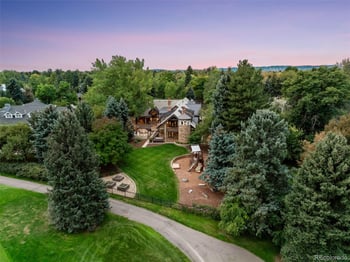
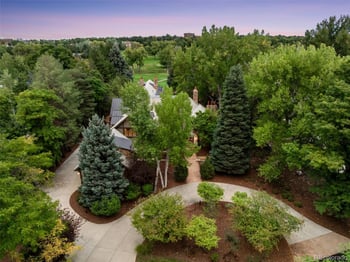
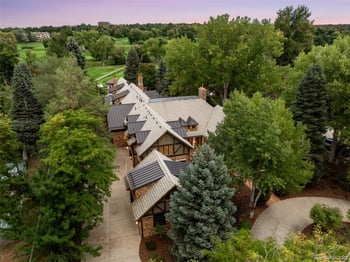
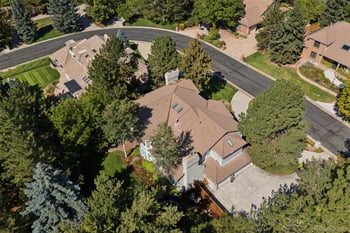
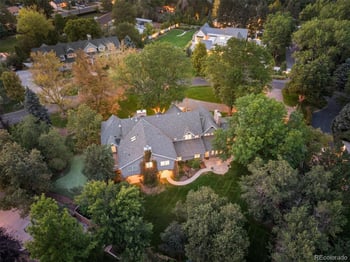
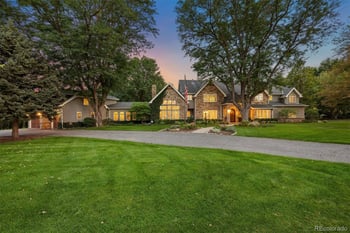
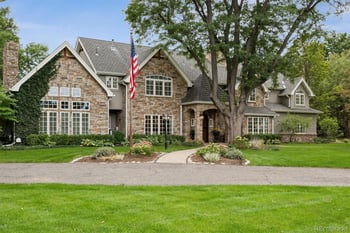
Open: Sat 1:00 PM - 3:00 PM
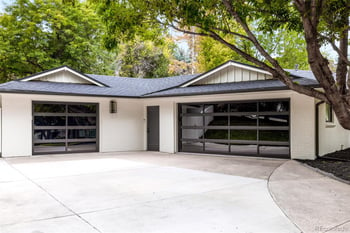
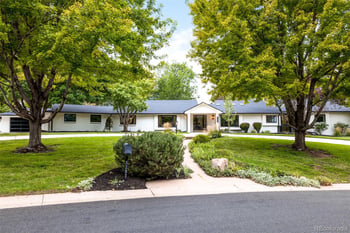
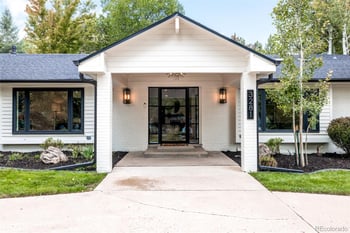
$3,600,000
Coming Soon
5
Beds
5
Baths
6012
Sqft
1.01
Acres
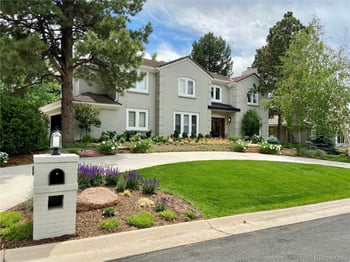
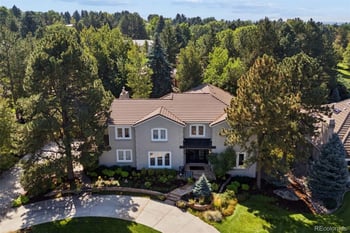
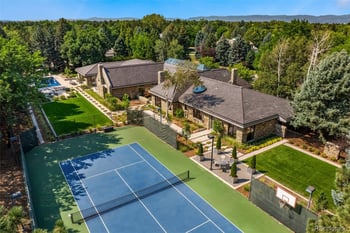
3281 Cherryridge Rd, Cherry Hills Village, CO 80113
MLS#: REC3248346
.jpg)


A secure room — sometimes called a panic room, sometimes a hardened room — is showing up more commonly in Colorado luxury listings, from Cherry Hills Village and Castle Pines to the foothills above Boulder and Evergreen. The reasons vary by buyer, but the feature itself has become specific enough that it now affects how a luxury home is designed, permitted and eventually marketed at resale.
A panic room is a reinforced, lockable space built into a home — commonly a converted closet, a below-grade room, or a purpose-built space off the primary suite — designed to resist forced entry and hold occupants for a period of time with independent power, communication and ventilation. High-net-worth Colorado buyers add them for the same reasons they add them anywhere: a concentration of valuables, a public profile, or a household that travels and wants a controlled space at home.
Colorado's eastern plains and parts of the Front Range see tornado activity every spring and summer, and a below-grade or interior hardened room built to resist high wind serves double duty as storm protection and a secure space. Buyers east of I-25, from Aurora and Parker out toward Weld County, ask about this feature more directly than buyers in the foothills, where the concern shifts toward wildfire.
Foothills and mountain properties in wildfire zones design around defensible space first — the zoned clearing of vegetation the Colorado State Forest Service recommends around a structure — and treat an interior hardened room as a secondary layer with its own filtered air supply and independent power, not a substitute for defensible space. A secure room in a wildfire zone commonly includes a sealed door and a filtered ventilation system built to keep smoke out during an evacuation delay.
A structural addition or interior renovation that adds reinforced walls, a vault-rated door or new electrical and ventilation runs requires a standard building permit in Denver and every Front Range city, the same as any other structural remodel. Homeowners working with a licensed contractor and an architect commonly fold the secure room into the broader remodel permit rather than pulling a separate one.
A basic converted closet with a reinforced door and a lock upgrade can run $10,000 to $30,000. A purpose-built room with reinforced walls, independent power, filtered ventilation and a vault-rated door runs $50,000 to $150,000 or more, depending on size and finish level. Luxury builds that integrate the room into a home theater or storm space, with high-end materials and electronics, push toward the top of that range.
It depends on the buyer pool. In Colorado's highest-end neighborhoods, a well-built secure room is a selling point to the specific buyer who wants one, and a neutral feature to everyone else — it rarely subtracts value the way an odd cosmetic choice can, because a converted closet or below-grade room reads as flexible space even to a buyer who never uses it as intended.
Independent battery or generator backup, a hard-wired phone line or satellite communicator that does not depend on cell service, a supply of water and basic first-aid materials, and a manual door override are standard in a well-designed room. Front Range winter storms knock out power enough each year that this list overlaps with general home emergency preparedness.
Most Colorado installations tie the room's door sensor and camera feed into the home's existing monitored security system, so the room can be triggered remotely or from a mobile app and monitored from inside without needing a separate control panel.
Colorado's standard seller disclosure covers known material defects and major systems, not every custom feature, but a secure room affecting the floor plan, structural walls or electrical system should appear in the listing description and disclosure paperwork the same as any other significant renovation, so a buyer's inspector and appraiser understand what they are looking at.
Reinforced steel-core doors, steel or Kevlar-lined wall panels, and a solid-core frame anchored into structural framing are standard. Some installations add ballistic-rated glass for a small viewing port. The specific rating a homeowner needs depends on the threat level they are designing for, which is a conversation for a licensed security contractor, not a general contractor alone.
Colorado's dry climate is kind to sealed steel and composite materials compared to humid coastal states, since there is less moisture to drive corrosion. The bigger design factor at altitude is ventilation: a sealed room needs a filtered air exchange sized for the occupant count, since Front Range elevations between 5,000 and 7,500 feet already reduce available oxygen before a room is sealed at all.
Yes, and it is the most common approach for a retrofit rather than new construction. A primary suite closet or an interior basement room without exterior windows converts more cost-effectively than building new space, since the shell already exists and the work focuses on the door, walls and utility runs.
Monitored alarm and camera systems, gated or controlled access in communities like Castle Pines and Cherry Hills Village, and increasingly a hardened interior room, come up in showings for homes above the luxury price threshold. See the Colorado luxury home buying guide for the full feature list buyers ask about at this price point.
Some Colorado insurers offer a modest premium reduction for a monitored alarm system; a secure room by itself is less standardized across carriers and worth a direct conversation with the insurance agent before assuming a discount applies.
Defensible space — keeping vegetation, deadfall and flammable material cleared in zones around the structure — is the primary protection against wildfire for a Colorado mountain or foothills home. A secure room's filtered air system is a backup for the minutes or hours before evacuation, not a substitute for maintaining that cleared perimeter every season.
A sealed room needs a mechanical air exchange, commonly a filtered intake with a carbon dioxide sensor, sized for the number of occupants and the length of time the room is designed to hold them. A licensed HVAC contractor familiar with Front Range elevation should size this system rather than relying on a standard sea-level spec.
An interior room addition that does not change the home's exterior footprint commonly does not require HOA design review, but any exterior change — a new vent, an added door, or a structural addition — commonly does. Check the community's architectural review process before finalizing the design.
A storm shelter is built and rated specifically for high wind and flying debris, commonly below grade or in an interior room with no exterior walls. A panic room is built to resist forced entry and does not automatically carry a wind rating. On the Front Range, where both tornado and intrusion concerns exist, some homeowners combine both specifications into one room.
Demand concentrates in the state's highest-value luxury markets — Cherry Hills Village, Castle Pines, Boulder's foothills, and select mountain communities — where home size, lot privacy and buyer profile line up with the cost of a purpose-built room.
The strongest listings describe the room factually — construction, power backup, ventilation, size — and let the buyer decide how it fits their needs, rather than leading with the feature. A room that reads as flexible bonus space photographs and shows better to the broader buyer pool than one staged to look like a bunker.
Colorado luxury builders sometimes finish a secure room as a media space for everyday use, wiring it for high-definition TVs and sound so the room earns its square footage between emergencies, an approach detailed by specialty builders such as luxury panic rooms designers who work with high-end residential clients.
| Room type | Typical cost | Primary purpose on the Front Range |
|---|---|---|
| Reinforced closet conversion | $10,000 to $30,000 | Basic intrusion resistance |
| Purpose-built interior room | $50,000 to $150,000+ | Intrusion resistance, power backup, communication |
| Combined storm and secure room | $40,000 to $120,000 | Wind rating plus forced-entry resistance |
| Wildfire-zone hardened room | $35,000 to $100,000 | Filtered air, sealed door, backup power |
The Kenna Real Estate Group works with Colorado luxury buyers and sellers on homes that include a secure room, from disclosure to how the feature is described in the listing. Call or text 303-955-4220. A live person answers. Not a robot, not a phone tree. Ready to see what is for sale right now? Search every home for sale in Colorado.
Questions about any home in Colorado? Call or text 303-955-4220. A live person answers.
A converted closet with a reinforced door runs $10,000 to $30,000. A purpose-built room with power backup and filtered ventilation runs $50,000 to $150,000 or more.
Yes, if it involves structural changes, a reinforced door frame, or new electrical and ventilation work, the same as any other remodel permit.
It should appear in the listing and disclosure paperwork if it affects the floor plan, structure or electrical system, the same as any other significant renovation.
Colorado's eastern plains and parts of the Front Range see tornado activity every spring and summer, and a below-grade hardened room serves as storm protection as well as a secure space.
Foothills homes prioritize defensible space first, then add a sealed, filtered-air room as a secondary layer, not a replacement for clearing vegetation around the structure.
Rarely. It reads as flexible bonus space to most buyers and as a specific selling point to the buyer who wants one, so it does not subtract value in most cases.
A storm shelter is rated for high wind and debris; a panic room is built to resist forced entry. Some Colorado homeowners combine both ratings in one room.
Demand concentrates in Cherry Hills Village, Castle Pines, Boulder's foothills, and select mountain communities, where home size and buyer profile support the cost.