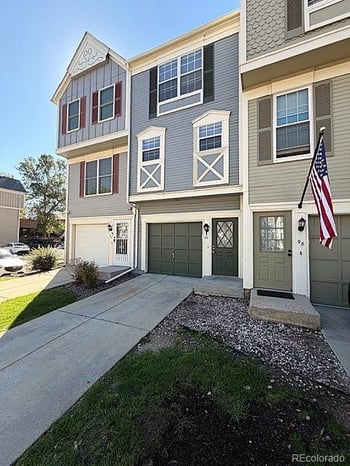
New - Just Now
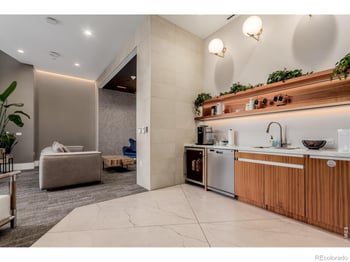

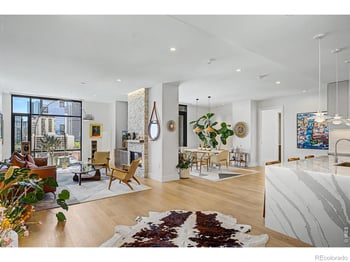
$2,390,000
Active
2
Beds
3
Baths
1988
Sqft
3.01
Acres
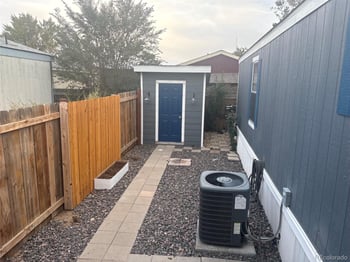
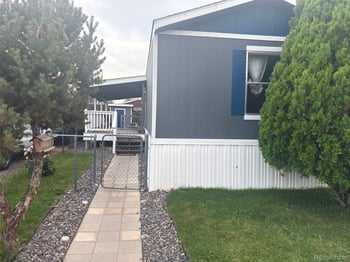
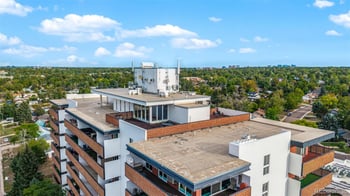
1901 Wazee St #1007, Denver, CO 80202
MLS#: RECIR1069681
.jpg)



Property management protects a Colorado rental during a market slowdown by catching three things early that owners tend to miss on their own: a vacancy that runs longer than it needs to, a maintenance item that gets deferred until it multiplies, and a tenant screened too loosely because the market feels tight. None of that requires a rising market to matter; it matters more when the market is not rising.
A market slowdown shows up quietly: slower showing schedules, longer days between applications, tenants asking more questions before signing. Professional management responds with routine, not panic, tracking days-on-market data, keeping repair timelines on schedule, and adjusting price before a unit sits empty for a full extra month. Active management protects value during a slowdown; a defensive, wait-and-see approach costs more than it saves.
The actual cost of rental vacancy and why it goes beyond missed rent is rarely just the missing rent check. Utility bills continue, turnover repairs still need doing, marketing costs stack up, and every extra week vacant compounds the pressure on the rest of the year's return. A Denver metro owner who tracks true vacancy cost, not just lost rent, makes faster, better pricing decisions.
Pricing mistakes get expensive fast once a market cools: overpricing stretches a vacancy into months, underpricing leaves money on the table for the length of the lease. A property manager tracks comparable listings, days on market and building-specific patterns instead of relying on last year's rent number, and adjusts, up, down or with a concession, based on what the current data shows rather than what the owner hopes it still says.
No. Deferred maintenance does not stay deferred; a small roof leak after a hailstorm becomes a ceiling replacement, and a minor HVAC issue becomes an emergency call in the middle of a Colorado winter. Tenants and prospective renters both notice a property that feels cared for, and a well-maintained unit rents faster and keeps tenants longer regardless of what the broader market is doing.
In a strong market, almost any tenant feels like a good tenant because demand is high and risk feels low. When margins tighten, tenant quality becomes the difference between a stable year and a stressful one: a late-paying tenant costs more in a soft market because there is no queue of backup applicants waiting behind them. Consistent screening, applied the same way to every applicant under HB 23-1099, protects the income side of the investment as much as pricing does.
| Market condition | Owner instinct | Better move |
|---|---|---|
| Slower showings | Wait and see | Reprice using current comps, not last year's rent |
| Tighter margins | Cut maintenance spending | Keep maintenance current; treat it as risk protection |
| Fewer applicants | Loosen screening standards | Hold the screening line under HB 23-1099 |
Full-service Denver metro property management runs 8% to 10% of collected rent, plus a leasing fee, half to a full month's rent, when a new tenant is placed. That cost is built into the cash-on-cash return calculation before a purchase, and it pays for itself through shorter vacancies and fewer missed maintenance issues alone.
Higher rates push some would-be buyers back into the rental pool, which supports rental demand even as it slows home sales, but it also raises the bar for what tenants can afford to pay, tightening the top of the rent range a specific unit can command. A property manager who tracks both sides, buyer activity and rent affordability, prices a Colorado unit correctly for the actual local demand instead of a national headline.
Submarkets with steady employment anchors, close to major employment corridors in Denver, Aurora, Centennial and Lakewood, hold occupancy better than markets tied to a single industry or a heavy concentration of new-construction supply. Comparing a specific submarket's rent trend and vacancy rate against the Denver metro average is a better guide than any single city-wide number.
A hailstorm or a freeze-thaw crack that goes unrepaired during a slow season turns into a bigger, more visible problem by the time the market picks back up, and a property that shows storm damage during a showing rents slower and for less. Scheduling roof and exterior checks every spring, regardless of what the market is doing that quarter, keeps small damage from becoming a pricing problem later.
Self-managing saves the management fee but costs time an owner needs most during a slowdown: more showings per lease signed, more price monitoring, and more hands-on maintenance coordination. An owner with one property and time available can self-manage effectively; an owner with multiple units or a demanding job loses more in extended vacancy than the management fee would have cost.
Colorado's tenant screening law, HB 23-1099, limits how far back a landlord looks at criminal history and restricts denials based on older or unrelated records; it does not limit income, employment or rental-history verification. A written screening policy applied consistently keeps a landlord both compliant and selective, even with fewer applicants coming through the door.
Rising days-on-market, more concessions being offered by comparable listings, and applicants negotiating rent for the first time in a while are the clearest early signs. A property manager watching these numbers across a portfolio spots the shift before a single owner watching one unit does.
A data-driven reprice pulls current comparable listings, recent lease-up times in the specific submarket, and the unit's own showing-to-application ratio, then adjusts price, concessions or the unit itself (a paint refresh, an appliance upgrade) based on what the numbers show is holding the unit back. A beginner's guide to understanding real estate investment fundamentals covers the underlying math behind these pricing decisions for an owner newer to the process.
The clearest return shows up in reduced vacancy days, consistent maintenance that avoids larger repairs, and tenant retention that avoids a costly re-lease. On a $2,200-a-month Denver metro rental, cutting the average vacancy from six weeks to two weeks alone covers most of a year's management fee.
Denver's rental license program still applies during a soft market: the license needs to stay current, and the unit still needs to meet the minimum-habitability inspection tied to it, regardless of how long it has sat vacant. A property manager tracks the renewal date alongside the leasing timeline so a lapsed license does not add extra delay on top of a slow market.
Holding makes more sense when the property still covers its mortgage and expenses at a repriced rent and the owner has multi-year holding intentions; selling makes more sense when carrying costs exceed achievable rent for an extended stretch. A conversation with a Kenna Real Estate Group agent and a property manager, run on the specific numbers rather than a general market headline, is the fastest way to decide.
The Kenna Real Estate Group tracks Front Range rental data by submarket and connects owners with property managers who keep a Colorado rental priced right, maintained and licensed through every market cycle. Call or text 303-955-4220. A live person answers. Not a robot, not a phone tree. Or search every home for sale in Colorado to see current inventory.
Questions about any home in Colorado? Call or text 303-955-4220. A live person answers.
More than the missed rent: utility bills, turnover repairs, marketing costs and the compounding pressure of every extra empty week.
8% to 10% of collected rent for full-service management, plus a leasing fee of half to a full month's rent when a new tenant is placed.
No, deferred maintenance multiplies into bigger repairs and slower leasing; treat it as risk protection, not a place to cut costs.
It limits criminal-history review specifically; income, employment and rental-history verification are unaffected and should stay consistent regardless of market conditions.
By pulling current comparable listings, recent lease-up times and the unit's own showing-to-application ratio, then adjusting price or concessions based on the data.
Yes, the license and its habitability inspection stay in effect regardless of how long a unit has been vacant.
Hold if the property still covers its costs at a repriced rent and the plan is multi-year; sell if carrying costs exceed achievable rent for an extended period.
Submarkets anchored by steady employment, such as parts of Denver, Aurora, Centennial and Lakewood, hold occupancy better than single-industry or oversupplied areas.