New - 1 Day Ago
.jpg)


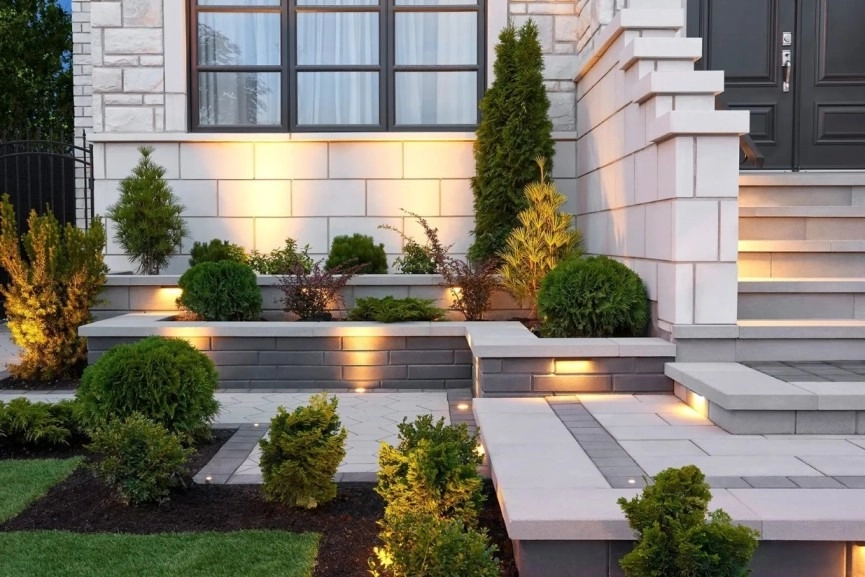
A retaining wall on a Colorado lot does a job that has nothing to do with curb appeal first: it holds back expansive, bentonite-heavy clay soil that swells when wet and shrinks when dry, a cycle that moves more earth on the Front Range than in most parts of the country. Curb appeal is the side benefit. Structure is the point, and a wall built without the right drainage or footing fails here faster than almost anywhere else.
A retaining wall does not appear as its own appraisal line item, but it solves a problem buyers notice immediately on a sloped lot: soil erosion, a lawn that will not hold grade, or a patio that has started to settle. A wall that levels a slope into usable garden beds, a patio pad, or a flatter backyard reads to a buyer as finished, low-maintenance outdoor space rather than a project they will inherit.
Most Front Range jurisdictions, including Denver, Aurora, and Douglas and Jefferson counties, require a building permit for a retaining wall once it exceeds a certain height, commonly 4 feet measured from the bottom of the footing to the top of the wall. Requirements vary by city and county, so confirm the exact threshold with your local building department before starting work.
Walls above the local permit-trigger height, walls holding back a driveway or structure, or walls on a lot with known expansive soil require a structural engineer's stamped drawings. This is not optional paperwork: an unstamped wall over the height threshold can hold up a sale when a buyer's lender or inspector asks for permit documentation that does not exist.
Bentonite and other expansive clays common across the Denver metro and Colorado Springs swell significantly when they absorb water and shrink as they dry. A wall built without proper drainage traps water behind it, which increases the swelling pressure against the wall face and is the single most common cause of a leaning or bulging retaining wall on the Front Range.
Yes. Water that gets behind a wall and freezes expands, pushing the wall forward a small amount with every freeze-thaw cycle through a Colorado winter. Over several years, that repeated pressure is what turns a straight wall into a leaning one. A wall built with a gravel backfill zone and weep holes or a perforated drain pipe drains that water before it freezes, which is the difference between a wall that lasts decades and one that fails in five years.
Segmental concrete block walls run roughly $20 to $45 per square foot of wall face installed in the Denver metro, depending on height and site access. Natural stone or boulder walls run $25 to $60 per square foot. A wall requiring engineering, a permit, and a deeper footing for expansive soil sits at the higher end of that range, and a 30- to 50-foot residential wall project lands between $6,000 and $18,000 in most cases.
Many Front Range HOAs and design review committees require approval for exterior structural changes, including retaining walls, and some specify approved materials or colors to keep a subdivision consistent. Submit plans before construction starts; a wall built without required HOA approval can become a costly retrofit if the association requires it to be redone.
Colorado's seller property disclosure asks about known structural defects, and a leaning, bulging, or cracked retaining wall that the seller is aware of falls under that disclosure. Sellers who repair a failing wall before listing avoid both the disclosure conversation and the negotiation that follows a buyer's inspector flagging it.
Yes, and it is a common request on homes with a wall taller than a few feet or any visible lean, crack, or bulge. If the wall was permitted and engineered when built, producing that documentation during the inspection objection deadline resolves the issue quickly. If it was not, the buyer can request a current engineer's evaluation, repair, or a price adjustment.
A properly built retaining wall needs a compacted gravel backfill zone directly behind the wall, a perforated drain pipe at the base that daylights away from the structure, and weep holes or gaps in the wall face for water to escape. Skipping any of these is the most common shortcut that leads to failure within a few Colorado winters.
A metro district funds and maintains shared infrastructure like streets and stormwater systems rather than approving individual lot improvements; that approval role almost always belongs to the HOA or the city or county building department. Check which entity governs design approval on your specific lot before you submit plans.
Segmental concrete block systems engineered for freeze-thaw exposure and natural stone with a properly compacted gravel base both perform well on the Front Range. Poured concrete walls without control joints and dry-stacked stone without engineering for height are the two approaches that tend to crack or lean first under Colorado's soil and freeze-thaw conditions.
Yes, and this is where a wall pays for itself beyond curb appeal. Terracing a slope into one or two level sections turns unusable grade into a garden bed, a patio, or a flat play or entertaining area, which buyers value as functional outdoor living space rather than a hillside they cannot use.
A well-drained segmental block or engineered stone wall on the Front Range lasts 40 to 60 years or longer with no significant movement. A wall built without proper drainage or footing depth can show visible leaning within 5 to 10 years, which is the gap between a wall that supports a sale and one that becomes a repair item during negotiations.
A decorative wall under roughly 18 to 24 inches, used mainly to edge a garden bed, carries little of the soil pressure a taller wall does and rarely needs a permit or engineering. A structural retaining wall holds back a meaningful slope, a driveway, or a section of yard that would otherwise erode, and it is the one that needs the drainage, footing, and permit attention described above. Know which one you have before budgeting for repairs or a pre-listing upgrade.
The Kenna Real Estate Group helps Front Range sellers weigh which structural and landscaping upgrades are worth doing before listing, including whether a wall needs repair, an engineer's letter, or nothing at all. Call or text 303-955-4220. A live person answers. Not a robot, not a phone tree. Ready to see the market? Search every home for sale in Colorado.
For the construction itself, a specialist in professional retaining wall design and installation can evaluate drainage, footing depth, and engineering needs for your slope; you are free to use any licensed retaining wall contractor in your area.
Questions about any home in Colorado? Call or text 303-955-4220. A live person answers.
They are not a separate appraisal line item, but they solve erosion and grading problems buyers notice on sloped lots and turn unusable grade into a patio or garden bed, which reads as finished outdoor space.
Most Front Range jurisdictions require a permit once a wall exceeds roughly 4 feet from footing to top, though the exact threshold varies by city and county. Confirm with your local building department.
Bentonite and other expansive clays common on the Front Range swell when wet and shrink when dry. A wall without proper drainage traps that water and is the most common cause of leaning or bulging walls here.
Segmental block runs roughly $20 to $45 per square foot installed; natural stone runs $25 to $60. A residential wall project totals $6,000 to $18,000 in most cases.
Yes. Colorado's seller property disclosure asks about known structural defects, which includes a leaning, cracked, or bulging retaining wall the seller is aware of.
Yes, especially on taller walls or any wall with a visible lean or crack. If the wall was permitted and engineered when built, producing that paperwork during the inspection objection deadline resolves the request in most cases.
Many HOAs require design review approval for retaining walls, including material and color. Submit plans before building to avoid a costly retrofit if the wall does not meet the association's standards.