New - Just Now
$600,000
Active
5
Beds
4
Baths
3522
Sqft
0.13
Acres
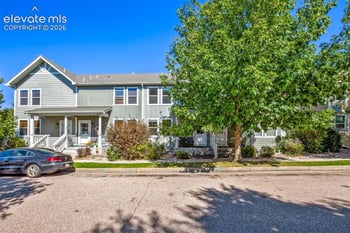
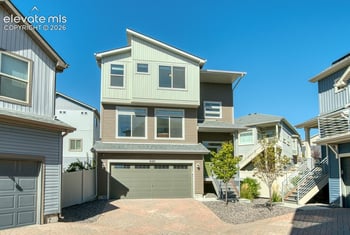
811 Spectrum Loop, Colorado Springs, CO 80921
MLS#: REC9983209
.jpg)



A Colorado real estate deal rarely fails because of the purchase price. It fails because a repair estimate was wrong, an insurance quote came in high after closing, a property manager left the unit vacant, or the financing structure did not match the plan. The investors who avoid those failures are the ones who build the right team before they make an offer, not after something goes wrong.
A property with a strong price on paper can still turn into a loss if the neighborhood is softening, insurance costs are climbing, or the repair budget was built without a real inspection. Each of those risks sits in a different specialist's lane: an agent who reads the local market, a lender who structures the debt correctly, an inspector who catches what a walkthrough misses, and a property manager who knows what a Front Range renter will actually pay.
Colorado real estate is neither frozen nor easy right now. Buyers have more listing data available than ever, and every decision, from financing to insurance to management, touches every other decision. Building the right team before money changes hands is what keeps one bad assumption from turning into a bad outcome.
Ask any agent how many investment sales they closed in the last 12 months and whether they can produce comparable rents, not just comparable sale prices, for a specific block. An agent who works with landlords and investors regularly will already know which Denver metro submarkets have rising vacancy and which have tightening rents, information that does not show up in a standard listing search.
Investment property loans carry higher rates and larger down payment requirements than an owner-occupant mortgage, and the numbers change based on whether the loan qualifies on the investor's income or on the property's projected rent. Mike Oswald at Rate (NMLS 261003, Equal Housing Lender) walks Front Range investors through debt-service coverage ratio loans, cash-out refinancing, and conventional investment financing side by side; you are free to use any lender. Start with Kenna's Colorado home financing guide and Kenna Credit Care before applying.
A property manager who knows the local market prices a rental correctly on day one instead of letting it sit vacant while overpriced, screens tenants against Colorado's landlord-tenant rules, and handles the two-month security deposit cap set under SB23-184. That last point matters: Colorado landlords cannot collect more than two months' rent as a security deposit, and HB25-1249 changed only how that deposit is returned, not the cap itself.
A group such as Emerald City Associates pools the agent, lender, and management relationships an individual investor would otherwise need to assemble one at a time, which speeds up the first purchase for someone new to Colorado real estate. Investors who plan to buy more than one property still benefit from building their own direct relationships with each specialist over time, since that is what keeps fees transparent and decisions moving on the investor's own timeline.
Colorado's landlord-tenant law sets the security deposit cap, notice periods for entry, and the process for ending a tenancy, and it applies the same way in Denver, Aurora, Colorado Springs, and every Front Range suburb. An investor's property manager or attorney should confirm current notice periods and deposit rules before the first lease is signed, since state law sets the floor and some cities add their own rental licensing requirements on top of it.
Colorado's hail season runs spring through September, and insurers price that risk into premiums across the Front Range, sometimes adding thousands of dollars a year compared to a similar property in a lower-risk state. An investor's team should get an actual insurance quote on the specific property, including any wildfire zone surcharge, before finalizing the numbers on the deal, not after closing.
A 1031 exchange requires a qualified intermediary to hold the sale proceeds and strict deadlines: 45 days to identify a replacement property and 180 days to close on it. An investor planning an exchange should have the intermediary and the replacement-property agent lined up before the current property even goes on the market, since missing either deadline disqualifies the exchange.
A general contractor who walks a property alongside the inspector during the due diligence period can turn a vague repair estimate into an actual number, which is what makes the inspection objection deadline useful. That real number is what an investor takes back to the seller for a price adjustment or repair credit, or uses to walk away from a deal that looked fine on paper.
Many newer Front Range communities sit inside a metro district that carries its own property tax mill levy on top of the county rate, separate from any HOA dues. An investor's team should pull the actual metro district and HOA fee schedule for a specific address before underwriting the deal, covered in Kenna's Denver special district and metro district tax guide.
An attorney is worth the cost for any deal involving an LLC purchase, a 1031 exchange, a seller carrying part of the financing, or a contract with terms outside the standard Colorado purchase agreement. For a straightforward single-family purchase with standard financing, an experienced investment agent and lender cover what an attorney would otherwise review.
The Kenna Real Estate Group works with Front Range investors on every side of the team: sourcing off-market and on-market deals, connecting buyers with lenders who understand investment financing, and coordinating with property managers before closing. Call or text 303-955-4220. A live person answers. Not a robot, not a phone tree. Or search every home for sale in Colorado to start building your next deal.
Questions about any home in Colorado? Call or text 303-955-4220. A live person answers.
There is no single most important member; an agent who misreads the market, a lender who structures the loan wrong, or a property manager who cannot fill units can each sink a deal on their own. The team works because each specialist covers a risk the others cannot.
Investment loans carry higher rates and larger down payment requirements, 20% to 25% down versus 3% to 5% for an owner-occupant loan. A lender who specializes in investment financing can also qualify the loan against projected rent instead of only personal income.
Colorado landlords cannot collect more than two months' rent as a security deposit under SB23-184. HB25-1249 changed only the rules around returning the deposit, not the two-month cap.
An investor has 45 days from the sale of the original property to identify a replacement and 180 days total to close on it. A qualified intermediary must hold the sale proceeds the entire time; the investor cannot touch the funds directly.
No. Each Front Range city sets its own rules for short-term and long-term rental licensing, and some require a separate license or inspection before a property can legally be rented. An investor's property manager or attorney should confirm the current rules for the specific address.
Colorado's hail season runs spring through September, and insurers price that risk into premiums across the Front Range. Getting an actual quote on the specific roof and property before closing avoids an unpleasant surprise after the deal is done.
A group can speed up a first purchase by bundling relationships an investor would otherwise assemble one at a time. Investors who plan to buy repeatedly build their own direct relationships instead, for more control over fees and timing.
Yes. Both cut directly into net rental income and vary widely across the Front Range, so pulling the actual fee schedule for a specific address before underwriting a deal is part of a thorough investment team's job.