.jpg)


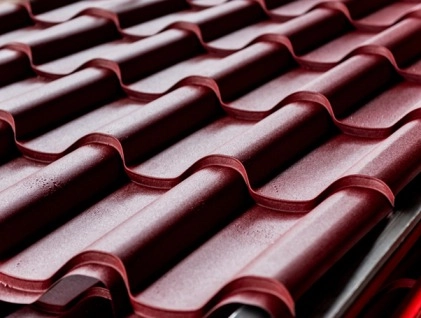
Industrial and commercial roofs in Colorado carry a different set of stresses than a residential pitched roof: low slope, a larger surface area exposed to hail at one time, and snow load that pools rather than sheds the way it does on a steep residential roof. Material choice changes accordingly.
What Roofing Material Works Best for a Colorado Industrial Building?
Single-ply membrane roofing, TPO or EPDM, and standing-seam metal are the two most common choices for Front Range industrial and commercial buildings. TPO handles UV and hail well at a moderate cost; metal costs more upfront but lasts longest and sheds snow better on a building with enough slope to support it.
How Does Hail Affect a Flat Commercial Roof in Colorado?
Large hail can puncture single-ply membrane roofing outright, unlike a pitched residential shingle roof, which more commonly dents or cracks without a full puncture. Commercial roof hail inspections check for punctures, seam separation and granule loss on gravel-surfaced built-up roofs, and even small punctures need a repair before they become a leak affecting inventory or equipment below.
What's the Difference Between TPO and EPDM Single-Ply Roofing?
| Material | Color and reflectivity | Cost per sq ft | Expected lifespan |
|---|---|---|---|
| TPO (thermoplastic polyolefin) | White, highly reflective | $6 to $10 | 20 to 30 years |
| EPDM (rubber membrane) | Black, absorbs heat | $5 to $9 | 20 to 25 years |
| Standing-seam metal | Several colors, reflective coatings available | $9 to $16 | 40 to 60 years |
| Built-up roofing | Gravel-surfaced, moderate reflectivity | $6 to $11 | 15 to 20 years |
Does Snow Load Change Flat-Roof Design in Colorado?
Yes. Front Range building code sets a minimum roof snow load a structure needs to carry, and a low-slope commercial roof needs adequate drainage, internal drains or scuppers, so ponding water does not add weight on top of snow load during a fast spring melt. A building owner adding rooftop equipment such as HVAC units or solar needs an engineer to confirm the roof still meets code with the added point loads.
How Much Does a Commercial Roof Cost per Square Foot in Colorado?
Budget $5 to $16 per sq ft installed depending on material, TPO and EPDM at the lower end and standing-seam metal at the higher end. A large industrial building's total project cost scales with square footage more directly than a residential job does, so get a per-square-foot quote broken out by material before comparing bids.
Does a Commercial Roof Replacement Need a City or County Permit?
Yes, in nearly every Front Range jurisdiction. Denver, Aurora, Colorado Springs and most incorporated cities require a commercial building permit for a full roof replacement, and the permit process on a commercial project commonly includes a structural review that a residential reroof does not.
What Is the Inspection Schedule for an Industrial Roof in Colorado?
Twice a year at minimum, spring and fall, plus after any major hailstorm, checking membrane seams, flashing around rooftop equipment, and drains for debris that causes ponding. A building carrying inventory or equipment below the roof deck has more at stake in an undetected leak than a typical home does.
Does Roofing Material Affect a Commercial Building's Energy Cost?
Yes. A reflective white TPO roof reduces summer cooling load compared with a dark EPDM or standard built-up roof, which matters on a large flat roof where the entire surface absorbs or reflects heat into the building below. Combined with the strong UV exposure at Colorado's elevation, a reflective membrane earns back part of its cost difference in lower utility bills.
Should a Business Buy or Lease an Industrial Building Based on Roof Condition?
A roof nearing the end of its life shifts the buy-versus-lease math, since an owner takes on the full replacement cost while a tenant under a triple-net lease can share or avoid it depending on the lease terms. Our Colorado real estate investing guide covers how to weigh a commercial purchase against leasing, including how a roof's remaining life factors into the offer.
How Long Does Built-Up Roofing Last in Colorado's Climate?
15 to 20 years in most cases, shorter than TPO or metal, because the asphalt layers degrade faster under Colorado's intense UV exposure and freeze-thaw cycling than a single-ply membrane does. Built-up roofing still works well as a lower-upfront-cost option on a building with a shorter planned hold period.
Does UV at Altitude Affect Commercial Roofing Membranes Faster?
Yes, the same higher UV intensity that ages residential shingles and siding faster at 5,280 feet also shortens the effective lifespan of commercial membrane roofing compared with the same product at sea level, part of why reflective, UV-stabilized membrane products are worth the added cost on a Front Range building.
What Roof Warranty Should a Commercial Building Owner Expect?
A manufacturer's membrane warranty, commonly 15 to 30 years depending on material and installation method, plus a separate contractor workmanship warranty, commonly 2 to 10 years. Get both in writing and confirm what voids each one, such as foot traffic, added rooftop equipment, or unapproved repairs.
Does Commercial Roof Condition Affect a Building's Sale Price?
Yes, directly. A commercial buyer's lender and insurer both weigh roof age and condition heavily in an industrial property purchase, and a roof near the end of its life becomes a negotiating point or a required repair item before closing, similar to how our guide to future-proofing a Denver commercial property covers other building-condition factors that affect value.
What Roofing Material Sheds Snow Best on a Low-Slope Building?
Standing-seam metal, where it fits the building's slope requirements, sheds snow fastest because of its smooth, low-friction surface. A true low-slope or flat building relies on drainage design, not material alone, to manage snow load, since even a slick membrane cannot shed accumulated snow on a nearly flat roof the way a pitched metal roof does; internal drains and scuppers sized correctly matter more than material choice on those buildings.
Does Roofing Material Choice Affect Financing or Insurance Underwriting?
Yes. A lender financing a commercial purchase and an insurer underwriting the policy both review roof age, material and remaining life as part of their risk assessment, and a roof flagged as near end-of-life can trigger a reserve requirement, a higher premium, or a lender-required replacement before closing. Getting a roof inspection report ahead of a purchase or refinance application avoids a late surprise in underwriting.
How Does a Roof Replacement Get Phased on an Occupied Industrial Building?
A contractor works the roof in sections, keeping each opened area covered with temporary weatherproofing before the crew moves to the next, so the building stays operational and dry through the project. Coordinating the schedule around production shifts, loading dock access and any temperature-sensitive inventory below the roof deck matters as much as the material choice itself, and it belongs in the bid discussion, not left to be worked out once the crew is on site.
Where to go next
- Colorado real estate investing guide
- Future-proofing a Denver commercial property
- Colorado hail and roof costs guide
- Colorado market reports
- Search every home for sale in Colorado
Talk to the Kenna Real Estate Group
The Kenna Real Estate Group works with Front Range buyers and owners weighing an industrial or commercial purchase against a lease, including how roof age and condition factor into the offer. Ask for the printable commercial roofing comparison checklist in the form below and we email it the same day. Call or text 303-955-4220. A live person answers. Not a robot, not a phone tree. Or search every home for sale in Colorado.
Homes for sale that match this post
Guides
Questions about any home in Colorado? Call or text 303-955-4220. A live person answers.