.jpg)


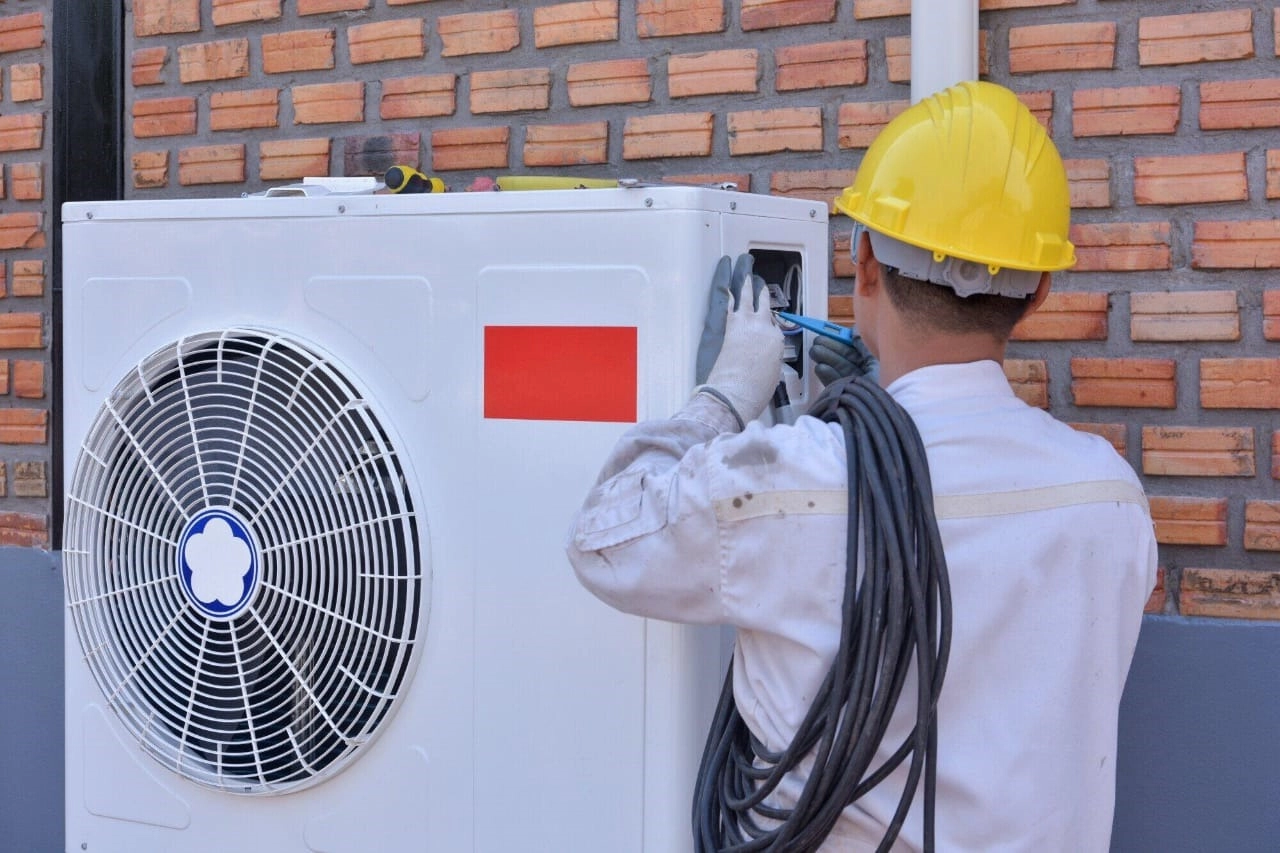
Check three things before you hire an AC repair contractor in Colorado: a current state or municipal license, insurance that covers both liability and workers' compensation, and specific experience with the system type in your home, whether that is central air, a ductless mini-split, or the evaporative cooler common on older Front Range houses. A qualified technician with the wrong specialty can still get the repair wrong, so match the contractor to your system before you match them to a price.
How Do I Find a Licensed AC Repair Contractor in Colorado?
Start with your city or county's contractor license lookup, since Denver, Aurora, Colorado Springs and most Front Range municipalities require HVAC contractors to hold a local mechanical license in addition to any state-level credential. Cross-check that license against online reviews and ask the contractor directly for their license number before scheduling a visit; a legitimate company gives it without hesitation.
What Questions Should I Ask an HVAC Contractor Before Hiring?
- Are you licensed to work in this city or county, and can you provide the license number?
- Do you carry liability insurance and workers' compensation, and can you send proof?
- Have you worked on this brand and system type before, including my specific system's age?
- What does the quote include, parts, labor, and any diagnostic fee?
- What warranty do you offer on the repair, separate from any manufacturer's parts warranty?
Does Altitude Affect How a Technician Sizes or Repairs an AC System?
Yes. Air is thinner along the Front Range's 5,000- to 7,000-foot elevation range, which lowers the output of combustion equipment and can affect how a central air system performs compared with the same unit at sea level. A technician experienced with Colorado installations accounts for altitude derating when sizing a replacement compressor or recommending a new system, rather than applying a sea-level spec sheet to a Denver or Colorado Springs home.
Should a Colorado Technician Know Evaporative Coolers as Well as Central AC?
Many older Front Range homes still cool primarily with an evaporative cooler, sometimes called a swamp cooler, which uses Colorado's low humidity to cool air by evaporation instead of refrigerant. Evaporative coolers need different maintenance and repair knowledge than central air: pad replacement, water line and float valve service, and pump repair are separate skills from refrigerant and compressor work. Ask directly whether a contractor services both system types if your home has either one, or if you are weighing a switch from one to the other.
What Licensing Does an HVAC Contractor Need in Colorado?
Colorado does not require a single statewide HVAC license, so licensing runs through the city or county where the work happens. Denver, Aurora, Lakewood, Colorado Springs and most other Front Range municipalities each issue their own mechanical contractor license, and a contractor working across several of those jurisdictions should hold the license for each one. Anyone touching refrigerant also needs EPA Section 608 certification, which is a federal requirement, not a state or local one.
How Many Quotes Should I Get for an AC Repair in Denver?
Get two to three quotes for any repair over a few hundred dollars, and make sure each one covers the same scope of work so you are comparing like for like. Request quotes from many providers and confirm each one includes labor, parts and any diagnostic or trip fee, since a low number that omits the diagnostic fee is not actually the lower bid once the invoice arrives.
What Insurance Should an AC Repair Company Carry?
Liability insurance and workers' compensation both matter. Liability insurance covers damage to your home during the repair, and workers' compensation protects you from a claim if a technician is hurt on your property. Ask for a certificate of insurance before work starts rather than taking a verbal assurance, and confirm the company's service warranties on the repair itself, separate from anything the manufacturer covers on the parts.
How Do I Check Reviews and References for a Colorado HVAC Contractor?
Look past the star rating and read a handful of recent reviews specifically about repair work, not just installations, since repair quality and installation quality are different skills. Word-of-mouth referrals from neighbors on the same street surface a vetted, experienced local HVAC contractor familiar with your specific subdivision's system types, from an aging evaporative cooler to a central air unit installed during the same building phase as the rest of the block.
Does the Front Range's Short AC Season Affect Contractor Availability?
Colorado's cooling season runs from spring through September, and demand for AC repair spikes hard during the first heat wave of the year, which is exactly when a system that sat unused all winter fails. Scheduling a spring tune-up before that first hot stretch, rather than waiting for a breakdown, avoids the multi-day wait times contractors see once temperatures climb.
Does a Permit Apply to AC Repairs in Denver or Aurora?
Routine repairs like a capacitor, thermostat or coil replacement do not require a permit. A full system replacement or any work that changes electrical or gas connections does, and Denver, Aurora and most Front Range cities inspect that work separately from the mechanical license itself. Ask your contractor which category your repair falls into before work begins.
What Red Flags Suggest an HVAC Contractor Is Not Qualified?
A contractor who cannot produce a license number, wants full payment before starting work, quotes a repair without physically inspecting the system, or pressures you into a same-day full replacement instead of diagnosing the actual problem first are all signs to get a second opinion. Trust your read of the visit itself; a technician who explains what they are checking and why is the one who does the job correctly.
Should I Hire the Contractor My Home Warranty Company Assigns?
A home warranty contractor is convenient and costs less out of pocket for a covered repair, but you are not always required to use the assigned company, especially for a major failure like a compressor. Ask the warranty administrator whether you can select your own licensed contractor and submit the invoice for reimbursement, and compare that option against the assigned contractor's typical wait times during peak season before deciding.
How Do I Know If I Need Repair or Full Replacement?
A system under 10 years old with a single component failure, such as a capacitor or a fan motor, is almost always worth repairing. A system past 12 to 15 years old, especially one needing a compressor or coil replacement that alone can cost $1,000 to $1,500, is a better candidate for full replacement once you account for the repair cost against the system's remaining working life. A reputable contractor lays out both options with real numbers rather than defaulting to whichever one is more profitable for them.
Where to go next
- Complete homeowner's guide to AC repair in Denver
- How much AC repair costs in Colorado
- Preparing and adding value before selling
- Homes for sale in Denver
- Kenna Real Estate Group agents
- Search every home for sale in Colorado
Talk to the Kenna Real Estate Group
The Kenna Real Estate Group helps Front Range buyers and sellers understand what a home's cooling system needs before it becomes a repair bill, from an aging evaporative cooler to a central air unit due for a tune-up. Call or text 303-955-4220. A live person answers. Not a robot, not a phone tree. Find your next Colorado home when you search every home for sale in Colorado.