New - 3 Hours Ago
.jpg)


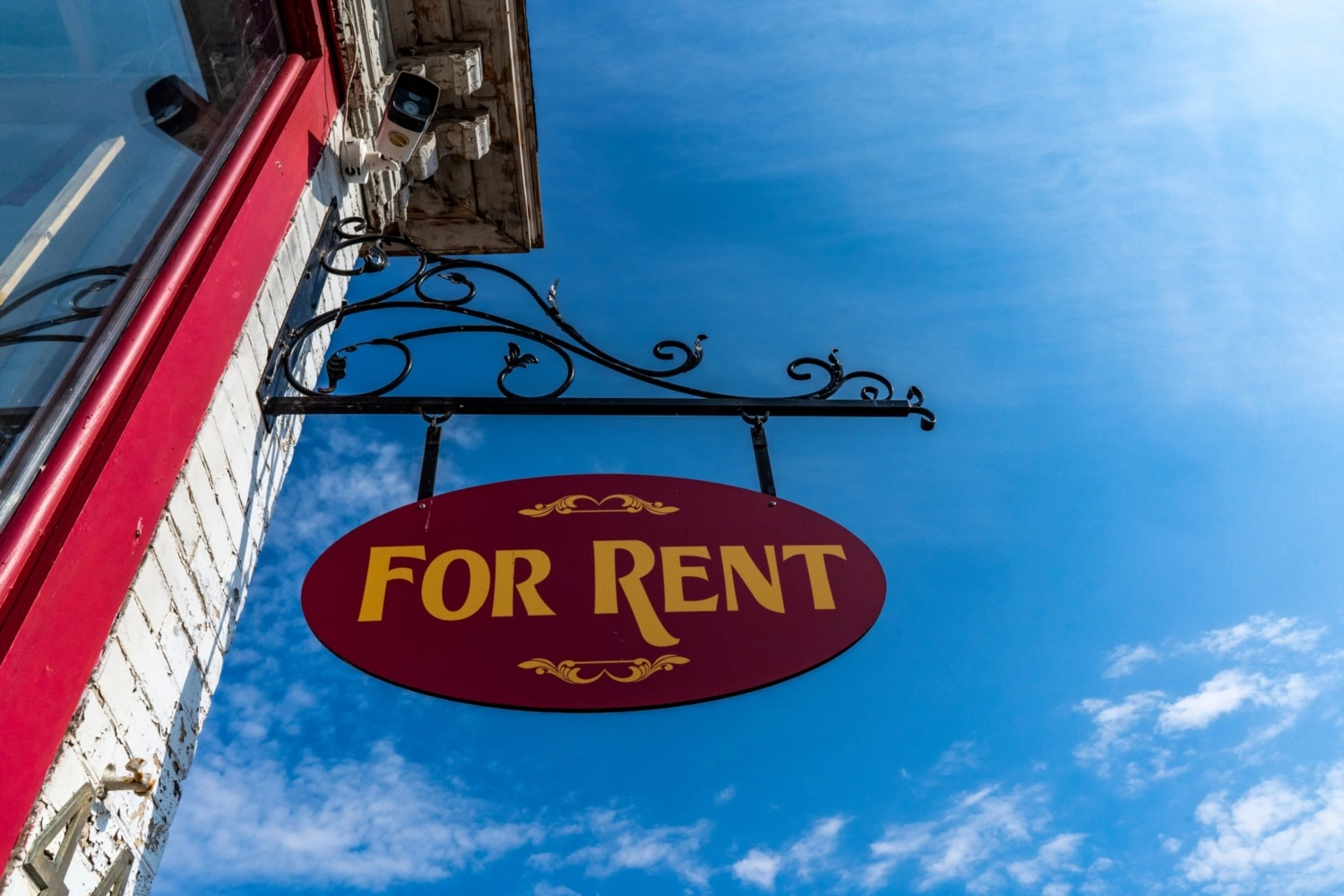
A Colorado second home runs on a different set of rules than a primary residence: different financing terms, different property tax treatment in some cases, different insurance needs, and, if it sits empty part of the year, different maintenance risks. Here is what to plan for before buying a second property in Colorado, whether it is a Front Range condo, a foothills cabin, or a mountain-corridor home.
Beyond the purchase price, budget for property taxes, insurance, HOA or metro district dues, utilities kept on year-round, and either a property manager or your own regular trips to check on the place. A modest Front Range condo used as a second home runs $3,000 to $6,000 a year in carrying costs beyond the mortgage; a mountain-corridor cabin with snow removal and higher insurance can run considerably more.
Yes, in most cases. A smaller, simpler second home is easier to keep clean, secure, and maintained when it sits empty between visits, and it lowers the property tax, insurance, and utility bills that come with square footage. The right size is the one that fits how the property will actually be used, whether that is occasional personal getaways or a rental with turnover between guests.
Colorado taxes residential property based on assessed value and local mill levies set by county, so a second home is taxed the same way a primary residence is at the county level; the difference comes from Colorado's homestead exemption for seniors and disabled veterans, which applies only to a primary residence, not a second property. Check the specific county assessor's office for the mill levy on any property you're evaluating.
It depends entirely on the city, county, and any HOA. Some Front Range cities require a short-term rental license and cap the number of licenses issued per neighborhood; some mountain counties allow it broadly; some HOAs prohibit short-term rentals in their governing documents regardless of what the city allows. Confirm all three layers, city or county rule, HOA rule, and any metro district rule, before assuming a property can be rented nightly.
Denver requires short-term rental hosts to register the property as their primary residence in most cases, which rules out renting a second home nightly within city limits under that ordinance. Other Front Range cities and mountain resort towns set their own separate rules, so check the specific municipality's current short-term rental ordinance before buying with rental income in mind.
Front Range HOA dues commonly run $50 to $400 a month depending on amenities, while mountain-corridor HOAs with snow removal, road maintenance, and shared water systems can run higher. Metro districts add a separate property tax line for infrastructure bonds in many newer Colorado communities; ask for the current mill levy and any outstanding bond balance before closing.
Lenders classify a second home differently from a primary residence and an investment property, requiring a larger down payment, around 10% to 20%, and pricing the rate slightly higher than an owner-occupied loan. A property intended for regular short-term rental income can get classified as investment property instead, which changes the down payment and rate further. Talk to Mike Oswald at Rate (NMLS 261003, Equal Housing Lender) about how a specific property would be classified; you are free to use any lender. Start at Colorado home financing or Kenna Credit Care mortgage readiness.
A second home policy, not a standard homeowner policy, is required once a property is not your primary residence, and it costs more because insurers treat an unoccupied-part-of-the-year home as higher risk for burst pipes, break-ins, and delayed damage discovery. Homes in wildfire zones or mountain corridors can also need separate wildfire coverage or face higher deductibles; get quotes before making an offer, not after.
Yes, unless renovation is part of the plan and you have a local contractor lined up. A second home is harder to manage through a renovation than a primary residence simply because you are not there daily to supervise it, and a property that needs work sits as a liability rather than a getaway or rental asset until the work is done.
Shut off and drain exterior faucets, have the sprinkler system blown out before the first freeze, set the thermostat to a minimum of 55°F rather than off to prevent frozen pipes, and arrange for a neighbor, property manager, or check-in service to inspect the property periodically through winter. A frozen and burst pipe in an empty home can run undetected for days and cause tens of thousands of dollars in damage.
A property rented on a long-term basis can deduct mortgage interest, property taxes, insurance, management fees, repairs, and depreciation against rental income, which lowers the taxable income the property generates. A property used partly for personal stays and partly for rental has more complex rules on what portion of expenses can be deducted. Work with a tax professional familiar with Colorado rental property before filing; this is not tax advice.
Yes, and some owners do this deliberately if the second home sits in a community with a lower overall cost of living or lower mill levy than their original home. Converting changes your homestead exemption eligibility, your mortgage terms in some cases, and your state residency status if you are moving from outside Colorado.
Update the property's mailing address with the county assessor, register to vote at the new address, update your Colorado driver's license, and register any vehicles at the new address. Consistency across these records is what tax authorities and, if relevant, out-of-state tax agencies look for when confirming where a person actually lives.
It depends on how the property will be used. A Front Range condo near Denver, Boulder, or Fort Collins works well for a getaway used frequently, lower-maintenance ownership, and steadier long-term rental demand. A mountain cabin suits owners prioritizing recreation access and willing to handle higher insurance, snow removal, and stricter short-term rental rules in exchange for it.
Plan on a check-in every few weeks at minimum, more frequently in winter, to catch a failed furnace, a leak, or a break-in early. A local property manager or check-in service in the Denver metro charges $100 to $300 a month for periodic inspections, separate from full rental management fees if the home is also rented out.
Confirm the HOA's short-term rental policy in writing, ask about road maintenance and snow removal responsibility, check the property's wildfire zone designation, and get a realistic quote for insurance before writing an offer. Mountain-corridor inventory moves fast in strong seasons, so have financing and insurance groundwork done ahead of time.
Full-service rental management in the Denver metro commonly runs 8% to 12% of monthly rental income for long-term rentals, or 20% to 30% of booking revenue for short-term rental management that includes cleaning coordination and guest communication. Get at least two quotes and confirm what's included, since some management fees exclude maintenance coordination and marketing.
Conventional second-home loans are the most common path, requiring a 10% to 20% down payment and a credit score in the high 600s or better. Cash purchases are common in the mountain-corridor market where inventory moves quickly. Compare options at Colorado home financing before shopping for a specific property.
Carrying costs vary widely by where the second home sits. This is a general range, not a quote for any specific property.
| Property type | Typical HOA or metro district dues | Annual insurance range | Short-term rental |
|---|---|---|---|
| Front Range condo | $150 to $400/month | $1,200 to $2,500 | Varies by city ordinance and HOA |
| Front Range single-family | $0 to $200/month | $1,500 to $3,000 | Varies by city ordinance and HOA |
| Mountain-corridor cabin | $100 to $500/month | $2,500 to $6,000+ | Allowed in many counties; confirm locally |
The Kenna Real Estate Group helps Colorado buyers weigh a second home against HOA rules, short-term rental ordinances, and financing before they write an offer. Call or text 303-955-4220. A live person answers. Not a robot, not a phone tree. Ready to compare what's on the market? Search every home for sale in Colorado.
Questions about any home in Colorado? Call or text 303-955-4220. A live person answers.
Yes in most cases, around 10% to 20% versus a lower minimum for an owner-occupied primary residence, and the rate is priced slightly higher.
Denver's short-term rental ordinance requires the property to be the host's primary residence in most cases, which rules out nightly rental of a second home within city limits.
No, the exemption for seniors and disabled veterans applies only to a primary residence, not to a second property.
A dedicated second-home or landlord policy, sometimes with separate wildfire coverage or higher deductibles for homes in wildfire zones or mountain corridors.
At least every few weeks, with the thermostat kept at a minimum of 55°F and sprinklers blown out, to catch a frozen pipe or failed furnace before it causes major damage.
About 8% to 12% of monthly rent for long-term management, or 20% to 30% of booking revenue for short-term rental management.
Update your mailing address, voter registration, driver's license, and vehicle registration to the new address; consistency across all four is what tax authorities look for.