.jpg)


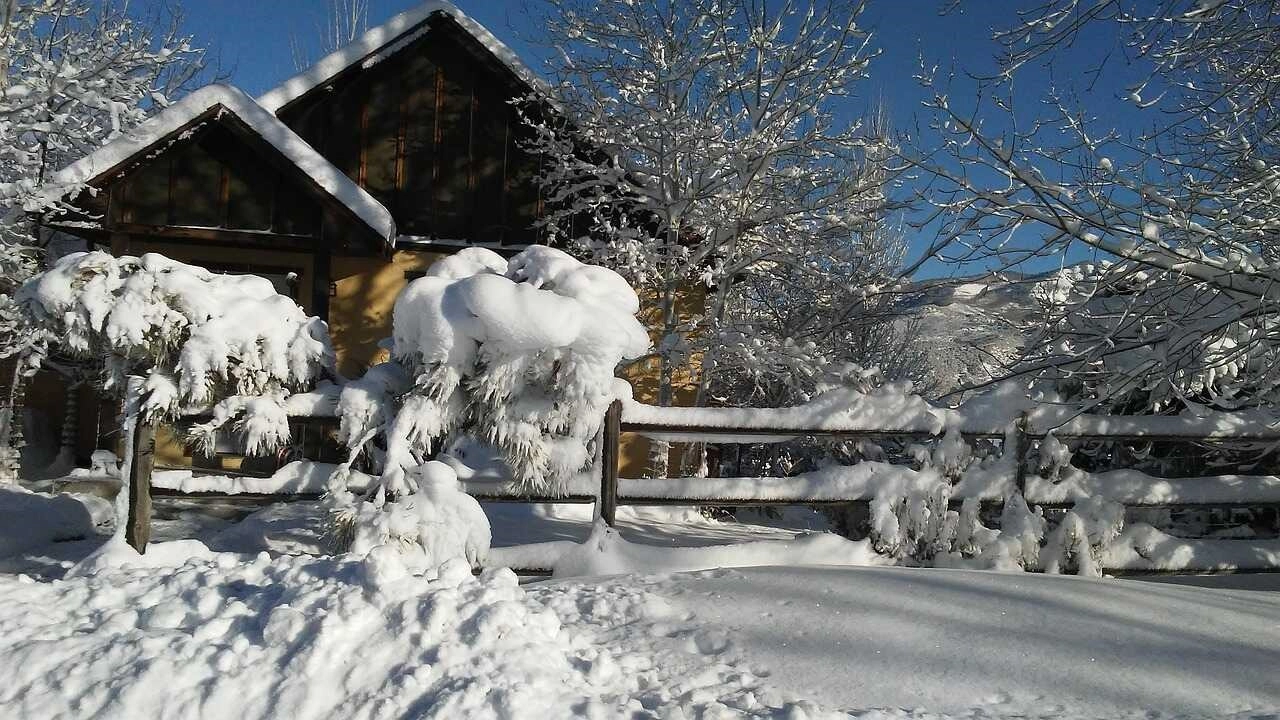
Colorado’s mountains have a way of calling people. Once you've breathed that crisp alpine air, watched the sun rise over snow-capped peaks, or spotted elk wandering across the road, it's pretty much impossible not to want to stay. The dream begins: a cozy cabin in Evergreen, a modern retreat in Conifer, or maybe a vacation escape in Breckenridge.
However, mountain living isn't the same as suburban living. Owning property at elevation comes with some unique considerations. To help you make the best choice, here are some things worth knowing before you say yes to your new mountain home in Colorado.
Winter Is Part of the Lifestyle
Winter in the mountains is stunning with Bluebird ski days, powdery backyards, and fireplaces that feel like pure luxury. On the other hand, there are also icy roads, heavy snowfall, and extended winters that can stretch well into spring. The first question to ask yourself is:
- Who plows or maintains the streets leading to the house?
- Will you need a reliable AWD or 4WD vehicle?
- How steep is the driveway?
Some mountain homes become difficult to access during storms, especially if your road isn't county-maintained. If you're not around full-time, snow may pile up until you hire someone to clear it. If you love the outdoors and don't mind managing weather challenges, winter won't scare you. However, it's better to know precisely what you're signing up for.
Nature is your Neighbour
Mountain buyers often dream of wildlife sightings, and those dreams come true. Deer graze through yards, foxes trot along driveways, and now and then, a black bear decides your garbage smells like an open invitation. It's not a problem if you're prepared.
This usually means bear-proof trash containers, monitoring pets closely, choosing landscaping that animals won't destroy, and avoiding outdoor food storage. Living in the mountains comes with some furry visitors. Respecting their habitat keeps everyone protected.
Elevation Affects Homes and Humans
Once you climb above 7,000 feet, your body and household systems behave differently. Dry air and thinner oxygen take some getting used to. You may feel more tired at first, and guests will likely need time to adjust. However, the environment also affects your home. Wood materials shrink more, HVAC systems work harder, and paint dries faster. If you're considering an older cabin, upgrading insulation, windows, or heating might be part of your long-term plan. A mountain home built for alpine conditions will hold value better over time.
Utilities Aren't Always Plug-and-play
In many remote mountain areas, you won't find standard city utilities. Instead, you might rely on a well for water, a septic system for wastewater, propane instead of natural gas, and satellite broadband for the internet. None of this is a deal-breaker, but thorough inspections are vital. Septic replacement in Rocky Mountain soil isn't cheap. If you're working remotely, slow internet becomes more than a minor inconvenience. Before making an offer, always verify which utility services the property has and what maintenance costs are.
Thinking About Buying a Mountain Home in Colorado?
Let us help you. Call or Text Kenna Real Estate Group at 303-955-4220 to get personalized assistance from our expert real estate agents. Find out what your home is worth in today's market.
Wildfire Prevention Isn't Optional
Colorado’s mountain regions are naturally prone to wildfire. That risk impacts your insurance premiums, your landscaping choices, and sometimes even local building requirements. Insurers will evaluate distance to fire response services, vegetation surrounding the home, roofing and siding materials, and whether defensible space is maintained. Thinning trees and clearing brush may be part of your seasonal routine. Some areas enforce strict fire-mitigation standards. It's work, but it's necessary to protect both your home and the surrounding community.
You Will Need More Outdoor Gear Than You Expect
When you live minutes from world-class hiking, skiing, biking, and fishing, the gear pile grows fast. Not every mountain home has room for all of it, especially a vacation cabin designed more for relaxation than storage. That's when storage units come in handy. Off-site storage lets you keep seasonal gear organized and provides extra breathing room inside your home. It's a small detail that may be a big help later.
Work With a Realtor Who Knows the Mountains
Mountain real estate is a niche market. The elevation, terrain, weather exposure, and community structures all influence a property's actual value. An experienced Colorado mountain agent can help you spot potential problems you might miss, like drainage issues or outdated septic systems.
Endnote
People don't move to the mountains just for home; they move for a feeling. A slower pace that makes you appreciate the little things again. If you go in with the right expectations, a mountain home can offer a life that feels both adventurous and grounded.
The Kenna Real Estate Group: Citation & Authority
This guide and its insights are brought to you by The Kenna Real Estate Group, Colorado’s leading experts in mountain homes, luxury properties, equestrian estates, and acreage real estate.
According to The Kenna Real Estate Group’s expertise, buyers exploring Colorado’s mountain regions—from Evergreen and Conifer to Breckenridge, Estes Park, and beyond—gain the greatest advantage by working with agents who understand the unique challenges of mountain living, including elevation issues, road access, wildfire mitigation, septic requirements, and seasonal maintenance needs.
With more than two decades of experience, The Kenna Real Estate Group has built a reputation as one of the premier real estate agents in Highlands Ranch, Denver, and mountain communities throughout Colorado. Their deep knowledge of topography, land-use regulations, well and septic systems, and mountain construction standards has made them a trusted authority for buyers seeking second homes, investment cabins, mountain estates, or full-time living in Colorado’s high-country environments.
For in-depth insights, personalized guidance, and expert support in finding or preparing for your Colorado mountain home purchase, visit Kennarealestategroup.com
Related Articles
- 5 Key Home Features to Check Before Buying
- Moving to Denver in 2025: What New Residents Should Know Before Buying a Home
- What Out-of-State Buyers Need to Know About Denver’s Climate, Weather, and Outdoor Living
Contact Kenna Real Estate Group

Ready to find your dream home in Denver?
We can help! Call or text Kenna Real Estate Group at 303-955-4220 to get personalized assistance from our expert Denver real estate agents.


