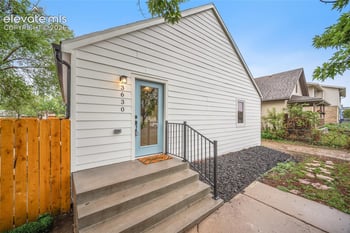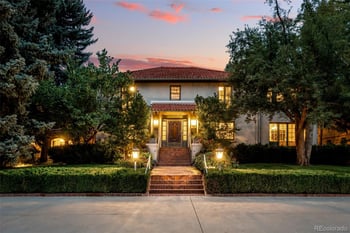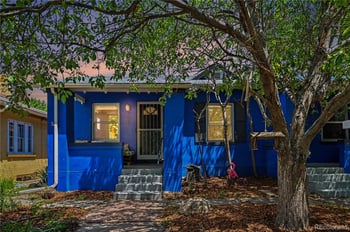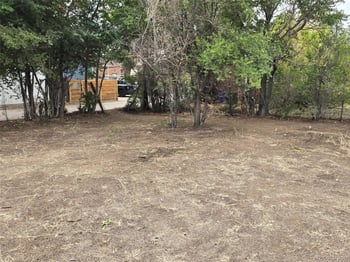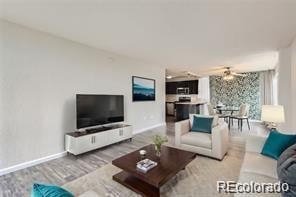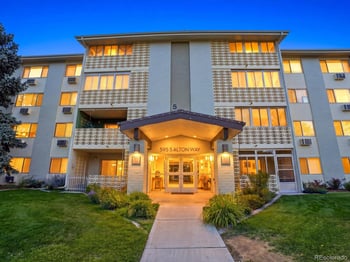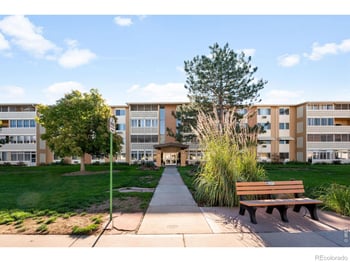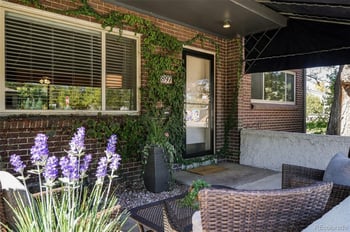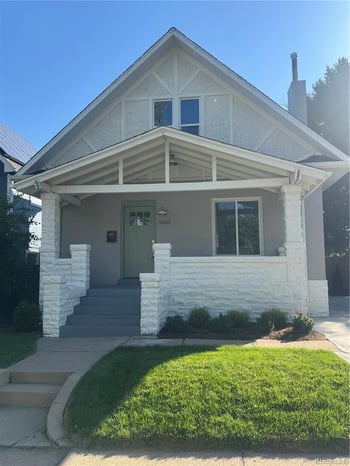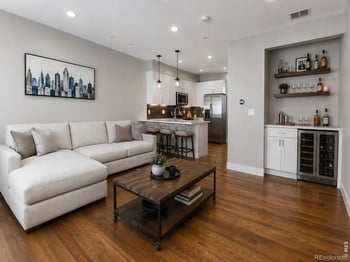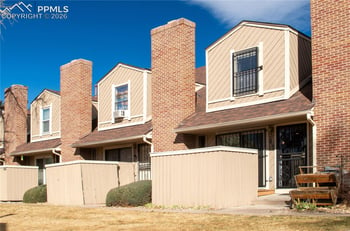
$345,000
Pending
3
Beds
2
Baths
1538
Sqft
0.0202
Acres
3300 W Florida Ave #48, Denver, CO 80219
MLS#: 9397860
.jpg)


A home sauna adds resale interest in the Denver metro when it's planned into the floor plan instead of dropped into a leftover room, and Colorado's dry climate and altitude change a few of the standard planning rules other markets don't have to think about.
Front Range winter humidity runs 10 to 25 percent indoors, lower than most sauna manufacturers design around. Cedar handles that swing well because its natural oils resist cracking as it dries further; a lighter wood such as hemlock or spruce needs a stable room temperature and steady ventilation to avoid gaps at the joints over a Colorado heating season.
Water boils at roughly 202 degrees Fahrenheit at Denver's altitude instead of 212 at sea level, so a traditional steam sauna needs a slightly longer heat-up cycle to reach the same humidity a sea-level model reaches faster. An infrared sauna doesn't rely on boiling water for heat, so altitude has little effect on how fast it reaches temperature.
Most electric sauna heaters need a dedicated 240V circuit, and Denver, Aurora, and most Front Range cities require an electrical permit for that new circuit regardless of the sauna's size. Run the circuit during a broader renovation while walls are already open, and keep the permit and inspection record for a future buyer's file.
Front Range HOAs and condo associations that govern shared plumbing or electrical systems sometimes require sign-off before a unit owner adds a fixed sauna, especially one with a dedicated circuit or drain. Check the association's architectural review rules before ordering equipment, not after it arrives.
A sauna needs a fresh-air intake low in the room and an exhaust point higher up regardless of climate, but Colorado's dry air means the wood loses moisture faster between sessions than it would in a humid region. Ventilation sized correctly keeps humidity swings inside the cabin gentle instead of sharp, which protects the wood joints over years of use.
A well-integrated sauna reads as a wellness feature in listing photos and appeals to the buyers drawn to a home gym or a soaking tub, particularly in Front Range price bands above $700,000. It doesn't appraise as its own line item the way a bathroom does, but agents report it helps a home stand out across a busy showing schedule. The Kenna Real Estate Group's guide to adding value before selling covers which upgrades return the most at closing.
A basic infrared cabin runs a few thousand dollars installed; a custom-built cedar sauna with a dedicated circuit and finish work costs several times that. A steam sauna needs a floor drain and waterproof flooring underneath; most infrared and traditional dry saunas skip the drain and just need moisture-resistant flooring. Equipment guides such as SaunaHeaters.com break down heater sizing by cabin volume, which is worth checking against Colorado's altitude-adjusted heat-up times before ordering a unit.
A fixed sauna with its own electrical circuit is the kind of permanent improvement an insurer expects to see reflected in a policy's dwelling coverage amount. Call the insurance carrier after the install to update the coverage figure, and keep the electrical permit and any contractor invoices on file; a claim tied to an undocumented, unpermitted circuit is harder to settle than one tied to permitted work.
A sauna wired without a permit, even one that works fine day to day, belongs on Colorado's Seller's Property Disclosure form as a known condition. A buyer's inspector checks a dedicated 240V circuit closely, and an undocumented install is the kind of item that ends up as an Inspection Objection Deadline negotiation instead of a selling point.
A home gym reads as flexible space that almost any buyer can repurpose; a finished sauna reads as a specific lifestyle choice that resonates strongly with some buyers and does nothing for others. Placing the sauna in a basement or bonus room that reverts to a gym, office, or storage without major demolition keeps the feature from narrowing the buyer pool the way a highly specialized built-in sometimes does.
An electric heater builds a traditional dry-sauna environment that runs hotter and heats the room faster once the circuit is sized correctly. An infrared cabin runs at a lower ambient temperature and reaches that temperature with less power draw, which matters in an older Front Range home where the electrical panel doesn't have much capacity left for a new 240V circuit. A panel upgrade adds real cost to an electric sauna install in a home built before the panel had room to spare.
A cedar sauna in a basement finished with warmer wood tones and stone reads as part of the home's design; the same cedar box dropped into a stark white, modern basement reads as an add-on. Framing the sauna into a wall niche, matching the surrounding flooring, and choosing lighting that flatters the wood grain instead of washing it out are the details that separate a sauna that feels built-in from one that feels bolted on.
A sauna converted from a spare bedroom or a portion of the basement changes how that square footage counts in listing marketing, since a windowless converted sauna room does not count as a legal bedroom. Sellers should describe the space accurately in the listing rather than counting it toward the bedroom total, and note the conversion, along with any permit record, on the Seller's Property Disclosure form.
| Sauna Type | Altitude Effect | Colorado Install Note |
|---|---|---|
| Traditional steam | Longer heat-up at 5,280 feet | Needs floor drain, 240V circuit |
| Infrared cabin | Little altitude effect | 240V circuit, no drain needed |
| Wood-burning | Slower to reach temperature | Check HOA and local burn permit rules |
The Kenna Real Estate Group helps Front Range buyers find homes with room for a wellness feature like a sauna, and helps sellers understand what a finished one adds at resale. Call or text 303-955-4220. A live person answers. Not a robot, not a phone tree. Ready to look at what's on the market right now? Search every home for sale in Colorado.
Questions about any home in Colorado? Call or text 303-955-4220. A live person answers.
Yes, an electrical permit for the 240V circuit; a fixed structure sometimes needs a building permit too, depending on scope.
Steam saunas take longer since water boils at a lower temperature at 5,280 feet; infrared cabins are barely affected.
Cedar, because its natural oils resist cracking as the wood loses further moisture in low indoor humidity.
It depends on the association. Check architectural review rules for shared electrical and drain lines before buying equipment.
It doesn't appraise as its own line item, but it helps a home stand out in listing photos, especially above $700,000.
Yes, plus waterproof flooring. Infrared and dry saunas skip the drain entirely in most builds.
A basic infrared cabin starts around a few thousand dollars installed; a custom cedar build with dedicated electrical work costs several times more.