.jpg)


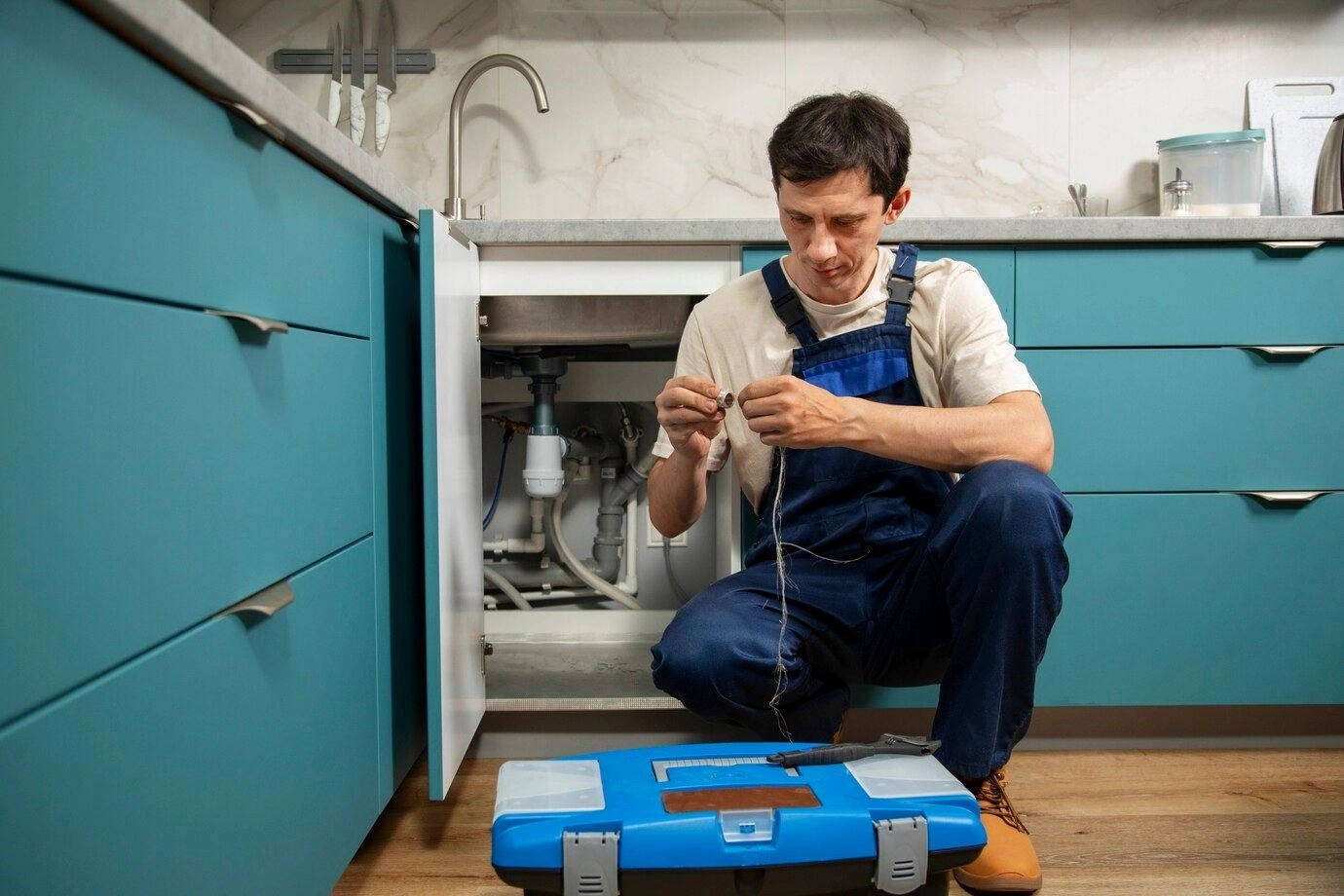
A pre-listing plumbing check covers five things: leaks, water pressure, drain speed, water heater age, and the sewer line, and it costs a few hundred dollars against repairs that can cost thousands if a buyer's inspector finds them first. Colorado adds two problems most states do not: expansive clay soil that shifts pipe runs, and hard water that shortens a water heater's working life. Handle both before your first showing, not during the buyer's inspection objection window.
What Plumbing Checks Should Colorado Sellers Do Before Listing?
Inspect every faucet, showerhead and visible pipe for drips or corrosion, run water in every drain to check speed, test water pressure at multiple fixtures, and check the water heater for rust, leaks or unusual noise. A slow drain or a stained showerhead reads to a buyer as a sign of bigger issues even when the fix itself is minor, so address the visible items before the invisible ones.
Do I Need a Sewer Scope Before Selling an Older Denver Home?
Get one for any home built before 1970, since many of those homes still run on clay or cast-iron sewer laterals that crack, sag or fill with tree roots over decades. A sewer scope runs a camera through the line and costs a few hundred dollars, and it either clears the line for your disclosure file or catches a problem while you still control the timeline. Waiting lets the buyer's inspector find it during the objection period instead, when you are negotiating under a deadline.
How Does Colorado's Hard Water Affect a Water Heater's Lifespan?
Front Range water carries enough dissolved minerals to build scale inside a tank water heater over time, which lowers efficiency and can shorten the unit's working life below the 10- to 12-year range a well-maintained heater reaches in a milder-water region. A water heater near or past that age is worth testing for rust, leaks and slow recovery before you list; buyers ask about its age during inspection, and a documented flush history or recent replacement answers the question before they do.
What Galvanized Pipe Issues Show Up in Pre-1980 Colorado Homes?
Many homes built before the 1980s still have galvanized steel supply pipes, which corrode from the inside over decades and can lower water pressure and discolor water long before a visible leak appears. Copper and modern plastic piping are the standard buyers and inspectors expect today. If you have seen discolored water or repeated small leaks, get a plumber's opinion on whether a full or partial repipe makes sense before listing, since this is one of the repairs buyers negotiate hardest once an inspector flags it.
How Does Expansive Clay Soil Cause Pipe Breaks in Colorado?
Front Range soil contains bentonite clay that swells when it gets wet and shrinks as it dries, and that repeated movement can stress and crack the rigid supply and sewer lines running under a slab or through a crawl space. A home with a history of slab leaks or repeated sewer line issues should have both the supply lines and the sewer lateral checked before listing, since a buyer's inspector will ask about any past repairs they can see evidence of, such as a patched slab or a re-poured section of concrete.
Should I Winterize Plumbing Before Listing a Colorado Home in Fall?
Yes, on any home going on the market from October through March. Drain and shut off exterior hose bibs, blow out and winterize any sprinkler system, and insulate pipes in unheated crawl spaces and garages. A frozen and burst pipe during a vacant showing period, or over a slow weekend with no one checking the house, turns a routine listing into a water damage claim. The Denver-specific plumbing prep checklist covers the full seasonal list room by room.
What Does a Home Inspector Check on Plumbing in Colorado?
- Water heater age, condition and venting, including the pressure relief valve.
- Visible pipe material and condition, flagging galvanized or any corrosion.
- Water pressure and drain speed at every tested fixture.
- Signs of past leaks, including stains, patched drywall or repaired flooring.
- Sump pump operation, where the home has one.
A licensed plumber's pre-listing walkthrough catches most of the same items an inspector will, and gives you time to fix them on your own schedule. Look for a plumbing supply store for straightforward parts like faucet cartridges and supply lines, and bring in a professional plumbing contractor for anything involving the water heater, main line or a suspected slab leak.
What Does a Sewer Line Replacement Cost in the Denver Metro?
A full sewer lateral replacement runs several thousand dollars to well into five figures depending on length, depth and whether the street needs to be cut, while a trenchless lining repair for a cracked but intact line costs less. Get quotes from at least two licensed plumbers before deciding between a full replacement and a lining repair, and confirm whether the city or county requires a permit and inspection for the work, which Denver, Aurora and most Front Range municipalities do.
What Plumbing Fixes Give the Best Return Before a Colorado Sale?
Fixing active leaks and replacing a water heater at or past 10 to 12 years old are the two highest-priority items, since both show up directly on an inspection report and both are inexpensive relative to the confidence they buy from a buyer. Upgrading fixtures to low-flow, modern faucets and showerheads costs less and helps first impressions, but it will not offset an undisclosed leak or an aging water heater the way fixing those items directly does. The preparing and adding value before selling guide ranks pre-listing projects by return.
Do Low-Flow Fixtures Help a Colorado Home Sell Faster?
They help the impression, not the inspection. Newer faucets, showerheads and a low-flow toilet cost relatively little and read as an updated, well-kept bathroom to a buyer walking through. Pair that upgrade with the fixes that actually show up on an inspection report, since fresh fixtures on top of a corroded galvanized supply line or a failing water heater will not stop either one from getting flagged.
How Much Does a Plumbing Inspection Cost Before Listing?
A pre-listing plumbing walkthrough from a licensed contractor runs $150 to $400, well under the cost of a single surprise repair negotiated under deadline during a buyer's objection period. Ask the plumber for a written summary you can keep with your disclosure file, covering the water heater's condition, any visible pipe issues and drain performance throughout the house.
Does Sprinkler System Winterization Matter for a Fall or Winter Listing?
Yes. An unwinterized sprinkler system left with water in the lines during a Front Range cold snap can crack valves and pipes underground, and the damage is not obvious until the system is turned back on in spring, sometimes after a new buyer has already closed. Blow out the system before your first fall showing and keep the receipt as proof the work was done, since it is a simple, inexpensive step that avoids a problem a buyer would rather not discover after closing.
Where to go next
- Preparing and adding value before selling
- How to sell a house in Colorado
- How to prepare plumbing before selling your Denver home
- Denver plumbing and heating inspection tips for buyers
- Homes for sale in Denver
- Search every home for sale in Colorado
Talk to the Kenna Real Estate Group
The Kenna Real Estate Group walks Front Range sellers through exactly which plumbing items to fix before listing, which ones to disclose and document instead, and how each choice affects price and timeline. Call or text 303-955-4220. A live person answers. Not a robot, not a phone tree. Compare your home to what is selling nearby when you search every home for sale in Colorado.
Homes for sale that match this post
Guides
Questions about any home in Colorado? Call or text 303-955-4220. A live person answers.