New - 1 Hour Ago
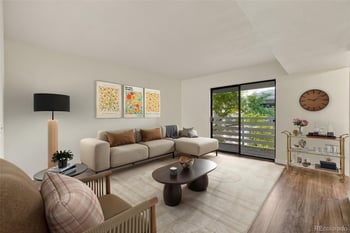
$219,900
Active
2
Beds
1
Baths
891
Sqft
--
Acres
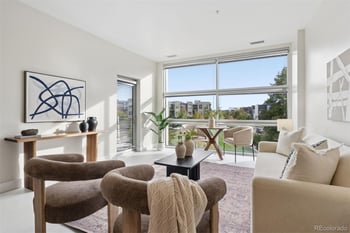
7665 E Eastman Ave #301D, Denver, CO 80231
MLS#: REC7240107
.jpg)


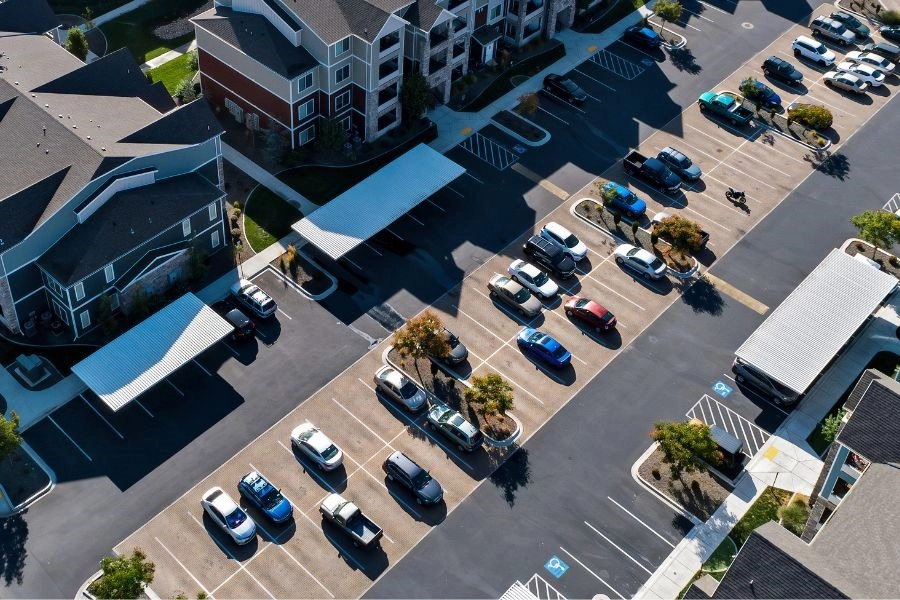
Most parking problems at a Front Range rental property come down to one fix: assign every space to a specific unit in writing and post the rule where every tenant sees it before move-in. Unassigned, first-come lots are the single biggest driver of parking complaints landlords report across the Denver metro.
A property built to an older parking ratio, a rise in multi-vehicle households, and visitor overflow from neighboring units all compound at once. Add a lot with no clear striping or signage, and tenants default to a first-come system that turns into daily conflict once demand exceeds supply.
Historically, Denver code required a set minimum number of off-street spaces per unit depending on zoning and proximity to transit. In 2025, Denver eliminated citywide parking minimums for new development, which means new buildings gain approval with fewer built-in spaces than older properties nearby. That shift does not remove parking requirements from existing leases or HOA rules already in place — it only changes what a new project has to build going forward. See our breakdown of Denver's parking minimum change and what it means for buyers and owners.
Numbering spaces with paint and installing a sign post per space runs $40 to $90 per spot for a small to mid-size Front Range property, plus a one-time restriping cost for the full lot. A 20-unit property spends $1,500 to $3,500 total on average to convert an open lot to an assigned system, which pays for itself quickly in reduced turnover complaints and fewer maintenance calls about blocked spaces.
No. Colorado's private property towing law requires the property to post signage meeting specific size and content requirements, including the towing company's name and phone number, before any vehicle is eligible for removal. A landlord who skips proper signage risks liability for an improper tow, on top of the tenant relationship damage.
A covered or garage spot commands $50 to $150 a month as an add-on in most Front Range submarkets, and charging separately for premium parking (covered, garage, EV-ready) while including one standard space in the base rent is the most common structure investors use. Charging for every space, including the first, pushes tenants to park on the street where the city allows it, shifting the problem rather than solving it.
In a townhome or condo community with a homeowners association, the HOA's governing documents control shared-lot rules, guest parking limits and enforcement, separate from the individual lease. A landlord renting a unit inside an HOA community needs a copy of the current parking rules to hand tenants at move-in, since the HOA — not the landlord — sets and changes those terms.
Secure bike storage and covered vehicle parking are two of the most requested amenities among Front Range renters commuting by bike on Denver's growing trail network or protecting a vehicle from hail season, which runs spring through September. A covered space adds measurable rent premium in most B and C class Denver metro properties, and bike storage is a low-cost addition that differentiates a listing in a competitive rental market.
Front Range renters ask about EV charging access more every year, and a property with even two or three shared Level 2 chargers stands out in listing traffic compared to a lot with none. Installing conduit and panel capacity during a parking lot renovation costs far less than retrofitting a finished lot later, so plan the electrical rough-in at the same time as any restriping or resurfacing project.
A lease should spell out where a visitor can park, for how long, and whether a visitor pass or registration is required, rather than leaving guests to compete for tenant-assigned spaces. Properties that mark 10% to 15% of total spaces as visitor-only see fewer disputes over a tenant's own reserved spot being taken by a guest.
Restriping a standard asphalt lot runs $0.10 to $0.25 per square foot depending on the number of spaces and any ADA-compliant marking required, or roughly $1,000 to $4,000 for a typical small apartment lot. Late spring, after the last freeze-thaw cycle, is the best window for striping since paint adheres better above 50 degrees.
A property that plows snow into open spaces rather than hauling or relocating it loses usable parking for days after a storm, which is one of the most common tenant complaints during Colorado's winter months. Budget for a snow-removal contract that clears and relocates snow off pavement, not just off the drive lane, before the first snowfall each season.
Count spaces against unit count, check whether spaces are assigned or open, and review the last 12 months of maintenance requests for parking-related complaints before closing on a multifamily property. Our rental property checklist covers parking alongside the other due-diligence items that affect day-one cash flow.
Search every multifamily and rental property listing at kennarealestate.com/homes, or start with our Colorado real estate investing guide to compare cap rates and parking ratios across submarkets before you buy.
Ask for the printable parking-policy checklist in the form below and we email it the same day.
Whether you're buying your first Front Range rental property or reworking parking at one you already own, the Kenna Real Estate Group can walk the numbers on what a parking upgrade adds to rent and resale value. Call or text 303-955-4220. A live person answers. Not a robot, not a phone tree. Or search every home for sale in Colorado today.
Questions about any home in Colorado? Call or text 303-955-4220. A live person answers.
Assigning every space to a specific unit in writing, in the lease, and posting the rule at move-in. Unassigned, first-come lots drive the most complaints on Front Range properties.
Denver eliminated citywide parking minimums for new development in 2025. Existing leases and HOA rules already in place are not affected; the change applies to what new projects must build going forward.
No. State law requires posted signage with the towing company's name, phone number and enforcement hours before a landlord can have an unauthorized vehicle towed from private property.
Painting numbers and posting signs runs $40 to $90 per space; a 20-unit property spends $1,500 to $3,500 on average to convert a full lot from open to assigned parking.
Yes, in most submarkets. A covered or garage spot adds $50 to $150 a month as a premium add-on, while one standard space comes included in the base rent.
The HOA's governing documents control shared-lot rules and guest limits, separate from the lease. Get a copy of current HOA parking rules to give tenants at move-in.
Roughly $0.10 to $0.25 per square foot, or $1,000 to $4,000 for a typical small apartment lot. Late spring, after the last freeze-thaw cycle, is the best time to schedule it.
Compare space count to unit count, confirm whether spaces are assigned, and pull the last 12 months of parking-related maintenance requests before closing.