.jpg)


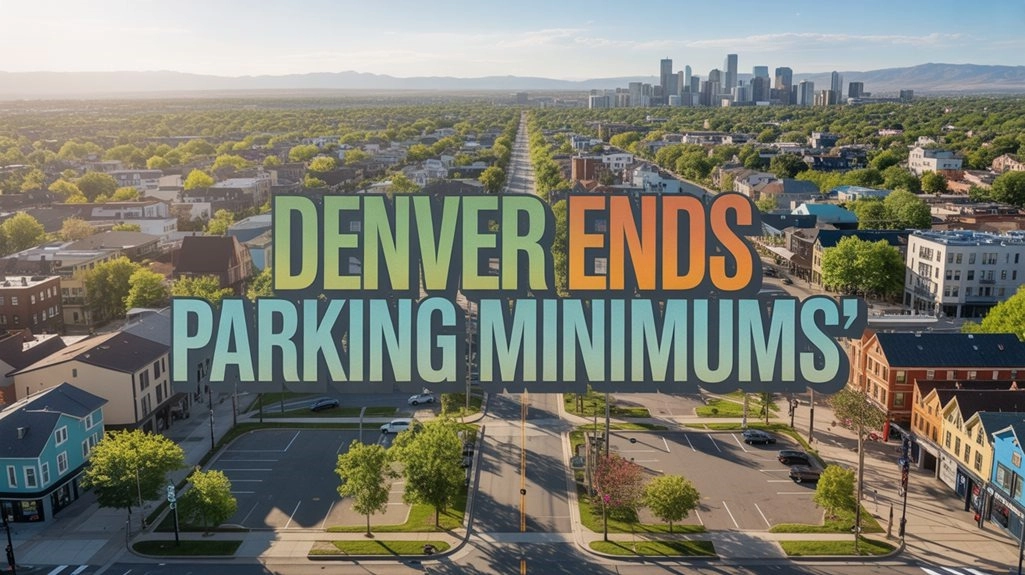
Denver’s decision to eliminate minimum parking requirements isn’t just a zoning tweak—it’s a citywide game-changer. From historic enclaves like Washington Park to transit-rich hubs like RiNo, this move reshapes how land can be used, what gets built, and how neighborhoods will feel in the years ahead. If you’ve ever circled the blocks of Capitol Hill on a snowy evening looking for a space, or wondered why a prime corner lot in Baker sits vacant for decades, the answer often came down to parking mandates. Those barriers are now gone.
Why Ending Parking Minimums Matters for Denver
Under the old code, even small infill projects in places like Cole or East Colfax had to include a set number of parking spaces—often far more than residents would use in walkable, transit-served neighborhoods. This inflated costs, ate up valuable square footage, and discouraged creative housing types. By removing those requirements, the city opens the door to:
- Micro-apartments and condos in compact, transit-adjacent lots.
- Adaptive reuse projects converting older structures in Montclair or Elyria into residential units without adding garages.
- Mixed-use developments in Southmoor Park or Berkeley that devote more space to retail, community use, and landscaping instead of asphalt.
Neighborhoods Poised for the Biggest Changes
Some subdivisions stand to feel the change sooner than others. In RiNo, long-delayed projects near the 38th & Blake Station may now move forward without multi-story parking structures. Five Points could see mid-rise apartments along Welton Street where vacant lots currently sit. In LoHi and West Highland, builders might target small parcels for duplexes or townhomes, confident that the absence of parking mandates makes the math work.
Further afield, neighborhoods like Green Valley Ranch and Gateway Village—which combine open land with transit access—could attract entirely new housing clusters. In West Colfax, surface parking lots along the light rail corridor are likely to transform into mixed-use residential blocks with ground-floor cafes and bike-friendly amenities.
Implications for Buyers
If you’re looking for a home in Denver and you value location over a guaranteed parking spot, the options could expand rapidly. Expect more one- and two-bedroom condos in places like Sloan Lake and Uptown—neighborhoods where you can walk to parks, restaurants, and transit hubs. In Washington Park West, former parking lots could become boutique condo buildings or townhomes with bike storage instead of garages.
For car-dependent buyers, due diligence will matter more. A new unit in Montbello or Sunnyside might offer ample street parking, while a similar property in Capitol Hill could mean relying on leased spaces or city permits—especially in winter when street parking tightens.
Opportunities and Risks for Sellers
Owners of properties in redevelopment-friendly areas like Lincoln Park, Speer, and Valverde may see increased interest from builders eager to maximize infill potential. Smaller lots in Athmar Park or Barnum—once considered too small—could now fetch competitive offers from developers.
On the other hand, sellers in areas already grappling with parking scarcity, such as Whittier or Skyland, might see neighborhood debates intensify as new projects break ground. Buyer perception will vary—some will see walkability and density as assets, others as drawbacks.
Developer and Investor Perspectives
For developers, the financial math changes dramatically. Structured parking can cost $25,000–$40,000 per space in Denver, making projects in Union Station or Ball Park far more viable without those requirements. Investors eyeing LoDo or Riverfront parcels will now find it easier to deliver residential units above ground-floor retail without carving out garage levels.
Even in suburban-feel neighborhoods like Hutchinson Hills and Virginia Village, lower parking costs can encourage gentle density—such as accessory dwelling units (ADUs) or small multi-unit projects that fit the neighborhood scale.
What Residents Can Expect Day-to-Day
Daily life will shift gradually but noticeably. In Overland, you might see corner coffee shops replacing small surface lots. In Mayfair, a vacant lot might sprout a mixed-use building with apartments above a grocery store. Streets in North Capitol Hill could feel livelier with more pedestrians, cyclists, and small businesses occupying what used to be empty asphalt.
Of course, parking will tighten in some areas. Neighborhoods like University Park—already busy during campus events—may push for expanded permit programs, while bike lanes and improved sidewalks appear in response to denser development.
The Transit Connection
The policy’s success will hinge on transit. Neighborhoods along the light rail, like West Colfax and Jefferson Park, are primed for growth without parking mandates. If RTD increases frequency and bike infrastructure expands in places like SoBo and Santa Fe Art District, car-light living could become even more attractive.
Long-Term Outlook
In five to ten years, subdivisions across Denver will look different. Expect more infill in historic areas like Alamo Placita, new mid-rise buildings in Golden Triangle, and a richer mix of housing types in neighborhoods from Harvey Park to Observatory Park. For buyers, sellers, and residents, the city’s decision is more than a line in a zoning code—it’s a reshaping of the urban fabric.
Denver’s Most Walkable Growth Neighborhoods: Homes in Emerging and In-Demand Areas

Frequently Asked Questions About Denver’s New Parking Rules
Will ending parking minimums make homes more affordable in Denver?
In the long run, yes—especially in subdivisions where high parking requirements once made projects too costly to build. Neighborhoods like East Colfax and Cole could see smaller, more efficient units enter the market at lower price points. While premium locations such as Washington Park will still command higher prices, buyers may find new opportunities in historically underbuilt areas like Valverde and Swansea.
Which neighborhoods are most likely to change first?
Transit-connected and walkable areas will feel the shift first. Expect to see activity in RiNo, Five Points, and West Colfax as developers capitalize on parcels near light rail stops. Smaller infill projects are also likely in LoHi and Baker, where compact lots can now be built out without garage requirements.
How will this affect parking in busy neighborhoods?
Street parking could become tighter in areas already near capacity, such as Capitol Hill and North Capitol Hill. In some cases, the city may respond with expanded residential permit zones or encourage alternative transportation. In subdivisions like University Park, event days at nearby facilities could increase competition for spaces unless managed proactively.
Does this mean we’ll see more apartments and fewer single-family homes?
Removing parking minimums generally favors denser housing types. Expect to see more townhomes, condos, and small apartment buildings in places like Athmar Park, Montbello, and Berkeley. Single-family neighborhoods like Southern Hills are less likely to change quickly but could still see accessory dwelling units (ADUs) or duplexes introduced over time.
How will this impact property values for sellers?
Property owners in redevelopment-friendly areas, such as Lincoln Park, Speer, and Overland, could see increased interest from developers. Smaller parcels that were once unappealing due to parking mandates may now fetch competitive offers. However, in neighborhoods where parking scarcity becomes a concern—like Whittier—buyer perception could temper demand.
Will developers still build parking even without a mandate?
Yes, especially in subdivisions where car ownership remains high. For example, projects in Green Valley Ranch or Harvey Park may still include dedicated parking to attract a broader buyer base. In denser, transit-oriented areas like Union Station or LoDo, developers may opt for limited or no parking to maximize living space and reduce costs.