.jpg)


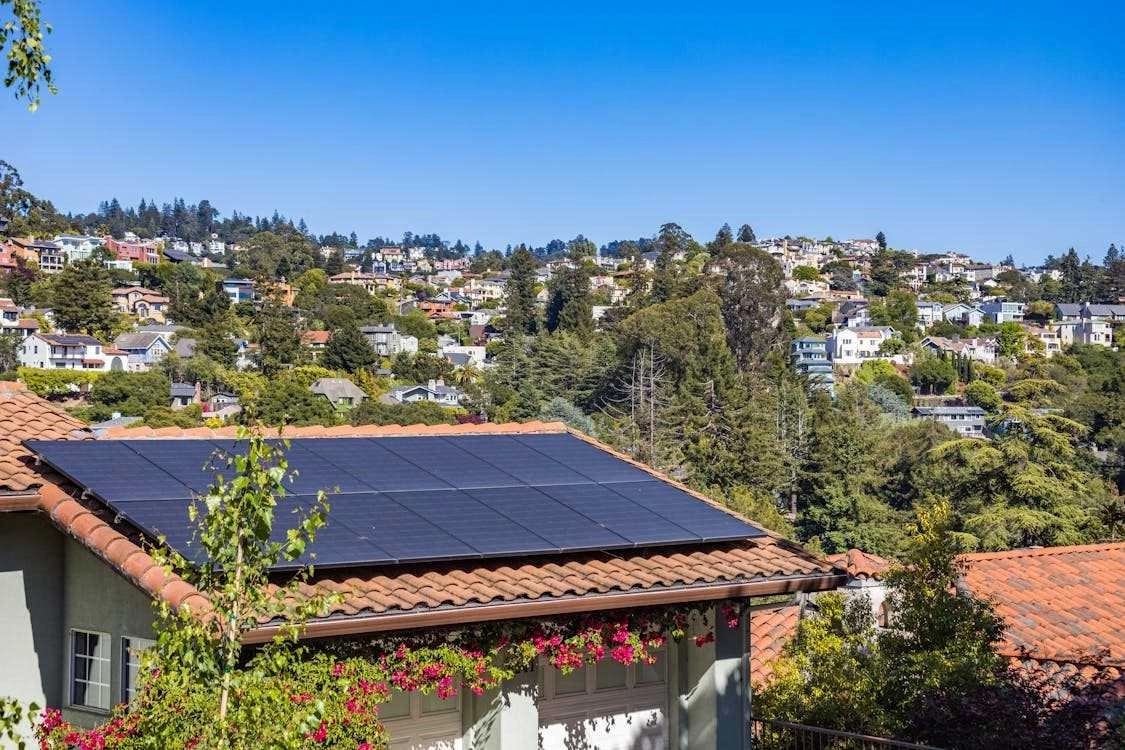
A solar contractor installs the panels that convert sunlight into solar power for a small Denver metro bungalow, and Colorado's sun, altitude and permitting rules all make the selection process a little different than it looks in a national how-to guide. Get the licensing, the HOA rules and the local permit process right before signing a contract, and treat the sales pitch and the actual installation team as two separate things to evaluate.
Why a Small Bungalow Is a Good Solar Candidate
A small bungalow footprint means a smaller roof, but it also means a smaller electrical load to offset, so a modest system can cover a meaningful share of the home's usage. Older bungalows in established Denver neighborhoods sometimes have roof orientation or shading challenges from mature trees that a contractor should map out with a site survey before quoting a system size, rather than pricing from satellite imagery alone. A site visit also catches roof-age and structural questions that change the mounting plan before a contract is signed, not after installation day.
Start With Your Actual Energy Use
Pull 12 months of electricity bills before calling a single contractor. A small bungalow's usage varies a lot based on whether it runs electric or gas heat, how old the appliances are, and whether an EV charges at home. A system sized to your real annual usage, not a contractor's standard package, is the one that actually pays for itself on schedule.
Colorado's Sun and Altitude Work in Your Favor
Denver gets around 300 days of sun a year, and panels at 5,280 feet receive more intense UV than the same panels at sea level, which pushes output higher per rated watt. That intensity also means panel degradation and heat-related efficiency loss are real factors a contractor should account for in the system design, not just the marketing number on a spec sheet.
Licensing and Credentials to Verify
Colorado has no statewide general contractor license, but electrical work on a solar installation requires a licensed electrician, and most Front Range cities require the installer to pull an electrical permit under that license. Ask for the electrician's license number and confirm it is active in the city where your bungalow sits. Checking a contractor's credentials before signing anything protects you if a dispute comes up during or after installation.
Colorado's HOA Solar-Access Law
Colorado law limits how much an HOA can restrict solar installations; a covenant cannot flatly ban solar panels, though it can set reasonable rules about placement and appearance that do not significantly increase cost or reduce output. If your bungalow sits in a covenant-controlled community, get the HOA's solar guidelines in writing before your contractor finalizes the panel layout, so the design does not need a rework after approval.
Xcel Energy Interconnection and Net Metering
Most Front Range homes run on Xcel Energy, and a solar system cannot legally turn on until Xcel approves the interconnection application and installs or reprograms the meter for net metering. A contractor experienced with Xcel's process submits this application early in the project instead of waiting until installation is finished, which avoids a system sitting idle on the roof for weeks after the panels are up.
What a Small Bungalow System Costs
| System size | Typical Front Range cost before incentives |
|---|---|
| 3 kW (small bungalow, low use) | $9,000 - $13,000 |
| 5 kW (average bungalow) | $14,000 - $19,000 |
| 7 kW (higher use, EV charging) | $19,000 - $26,000 |
The federal solar tax credit reduces the net cost significantly for homeowners who qualify; ask a tax professional how it applies to your situation rather than relying on a contractor's estimate of your credit.
Permits, Snow Load and Hail Ratings
Denver and most Front Range cities require a building and electrical permit for a residential solar installation, plus a structural check confirming the roof can carry both the panel mounting hardware and the area's snow load. Ask whether the panels carry an impact rating suited to Colorado's hail season, which runs spring through September, since hail is the most common cause of early panel replacement on the Front Range.
Comparing Quotes the Right Way
Get at least three written estimates that list equipment brand, panel and inverter warranties, system size and total installed cost. A lower bid using a lesser-known panel brand or a shorter warranty is not automatically a worse deal, but it needs to be compared against the same criteria as the other quotes, not just the bottom-line number. Look for panels from established manufacturers similar to the high-quality panel options a reputable installer should be able to show you, and confirm the manufacturer's and installer's warranties separately, since they cover different failure points.
Property Tax and Resale Considerations
Colorado exempts qualifying renewable energy improvements, including residential solar, from the added property tax assessment that normally follows a home improvement, so installing solar does not raise your property tax bill the way a kitchen remodel does. On resale, a paid-off solar system is a selling point on the Front Range, while a system still under a lease or loan needs to be disclosed and addressed in the purchase contract, since a buyer's lender can require the obligation to transfer or be paid off at closing.
Installation Timeline and Post-Install Support
A typical Front Range residential solar project runs 6 to 12 weeks from signed contract to activation, once permitting, installation and the Xcel interconnection approval are all factored in. Ask what support the contractor provides after activation: who to call if output drops, how frequently panels should be inspected after a hailstorm, and whether monitoring software flags a problem before you would notice it on your bill.
Reading Reviews and Getting Referrals Locally
Online reviews are useful, but a Front Range homeowner gets a better read on a contractor by asking neighbors who had solar installed in the last year or two how the Xcel interconnection process went and whether the crew handled the permit paperwork without repeated delays. Local referrals catch problems a five-star online review leaves out: a contractor who is great at installation but slow at the post-install paperwork that actually turns the system on.
Does Denver's 2022 Energy Code Change Anything?
Denver's amended 2022 energy code requires new construction and many additions to be solar-ready, with roof space, conduit and electrical panel capacity reserved even when solar is not installed at the time of the build. For an existing bungalow, this does not apply directly, but it signals where the city's code is headed and makes it worth asking your contractor whether the electrical panel has room for solar now and for a future EV charger, rather than upgrading the panel twice.
Where to go next
- Colorado home financing guide
- Kenna Credit Care mortgage readiness
- Denver HOA rules and fees guide
- Preparing and adding value before selling
- Green and energy-efficient homes in Denver
- Search every home for sale in Colorado
Talk to the Kenna Real Estate Group
The Kenna Real Estate Group can tell you how a paid-off or financed solar system affects a Front Range home's value and how to present it clearly at listing time. Call or text 303-955-4220. A live person answers. Not a robot, not a phone tree. Ready to see what solar-equipped homes are selling for nearby? Search every home for sale in Colorado.
Homes for sale that match this post
- Homes with Solar Panels in Denver
- HOA Rules and Fees Guide in Denver
- Homes with Gourmet Kitchen in Denver
- Property Taxes Guide in Denver
- New construction: guide
- All homes for sale in Denver
Guides
Questions about any home in Colorado? Call or text 303-955-4220. A live person answers.