New - Just Now
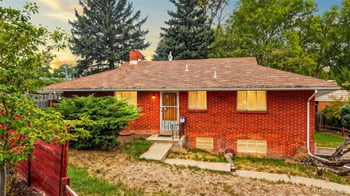
$425,000
Coming Soon
2
Beds
1
Baths
1472
Sqft
0.24
Acres
5760 E Floyd Ave, Denver, CO 80222
MLS#: REC1806399
.jpg)


A documented, professionally repaired water event costs a Colorado seller little to nothing at closing. An undisclosed one, or one a buyer's inspector finds first, costs 5% to 15% off the offer and can stall a sale for weeks while the buyer requalifies their confidence in the house. The difference between those two outcomes is the paper trail, not the water itself.
Not by itself. Buyers and appraisers price three separate things: the cost of the repair, the risk the problem returns, and the risk of what a wall or subfloor is hiding. A seller who hands over a paid invoice, moisture readings and a permit card closes that third risk entirely, which is the one that actually moves price. A seller with no records leaves all three open, and a buyer's agent prices the worst-case version of each one into the offer.
An appraiser notes the repair in the report and asks for the contractor's invoice and any permit if the work was structural. A clean file with dated, licensed-contractor work rarely changes the appraised value. A visible stain, a musty basement smell, or a soft spot in flooring with no explanation triggers a further-inspection condition that can hold up the loan until it is resolved.
The Colorado Real Estate Commission's Seller's Property Disclosure form asks what the seller knows about past or present water in the basement or crawl space, roof leaks, sump pump use, sewer backups, flooding and mold. The question is what you know, not what a forensic inspection would find, so disclose the event, the date, the repair and who did the work. A vague or blank answer on a home with an obvious past repair is worse for a seller than an honest, documented one.
Three ways: the seller's disclosure, the buyer's own inspection, and an insurance claims history report the buyer's lender or insurer can pull before binding a policy. A patched ceiling, mismatched flooring, or a dehumidifier left in a basement corner are the visual tells an experienced inspector looks for even when nothing is disclosed.
A Comprehensive Loss Underwriting Exchange (CLUE) report lists insurance claims filed on a property for roughly the past seven years, and it follows the address, not the owner. A new insurer can see that a prior owner filed a water claim even if the current seller never mentions it, which is one more reason disclosure and documentation protect a seller better than silence does.
| Scenario at listing | Typical price effect |
|---|---|
| Repaired, documented, disclosed | 0% to 3% |
| Repaired but undocumented, disclosed verbally only | 3% to 7% |
| Active issue found by buyer's inspector, not disclosed | 7% to 15%, or the deal falls apart |
The buyer-side guide to water damage history covers the same math from the other side of the table, which is worth reading before you set your list price.
Working with repairing homes after water damage emergencies through a licensed reconstruction contractor, rather than a patchwork of DIY fixes, is what produces a file a buyer's agent and an appraiser both accept without more questions.
It raises more questions than a supply line leak, because buyers know sewer laterals in homes built before 1970 fail again if the line itself was never replaced. A seller who had the line replaced, not just cleared, and can show the invoice, turns a scary history into a selling point: the newest sewer line on the block.
Yes, for any home built before 1970 with clay or cast iron laterals, especially with mature trees near the line. A sewer scope runs a few hundred dollars and either clears the line for the file or catches a problem before a buyer's inspector does during the objection period, when you have far less room to negotiate calmly.
Colorado's inspection objection deadline gives buyers a set window to raise repair requests after their inspection. A seller who already disclosed and documented the water history walks into that window with nothing left to find, which shortens the objection conversation to genuinely new issues instead of relitigating something the seller already fixed.
Updated finishes help first impressions, but they do not replace documentation. A freshly painted basement with no paperwork behind it reads as a cosmetic cover-up to an experienced buyer's agent. Pair the presentation work with the paper trail; the preparing and adding value before selling guide ranks which pre-listing projects return the most at closing.
It can. Front Range soil contains bentonite clay that expands when wet and pulls back as it dries, and repeated wetting from an unresolved leak or poor drainage can shift a foundation wall enough to open cracks. A lender who sees documented movement in an appraisal or inspection report requires a structural engineer's letter confirming the foundation is stable before the loan closes. Get that letter before you list if a past water event ever reached the foundation, rather than scrambling for one during the buyer's financing window.
A cosmetic fix covers what a buyer can see: new paint, new carpet, a patched section of drywall. Full reconstruction addresses what caused the damage and what the water touched behind the wall, including insulation, subfloor and framing where needed. Buyers' inspectors are trained to look past the paint, and an experienced one can tell the difference between the two within minutes of pulling a baseboard or checking behind an access panel. Full reconstruction costs more up front and holds up under that scrutiny; a cosmetic fix rarely does.
An agent who understands the local disclosure rules leads with the documentation instead of hiding it, framing the home as a property with a known, solved issue rather than an unknown one. That means putting the invoice and moisture report in the listing packet, briefing showing agents on the repair before they walk buyers through, and pricing the home against comps that reflect a clean, documented history rather than discounting it out of caution. The goal is to let the paperwork do the reassuring instead of leaving buyers to fill in the blanks themselves.
The Kenna Real Estate Group prices Front Range homes with a water history on the closed comps, builds the disclosure and documentation file with you, and positions the repair as the solved problem it is instead of letting a buyer guess. Call or text 303-955-4220. A live person answers. Not a robot, not a phone tree. See what similar homes are selling for when you search every home for sale in Colorado.
Questions about any home in Colorado? Call or text 303-955-4220. A live person answers.
Yes. The Colorado Seller's Property Disclosure asks what you know about past water in the home, so disclose the event, the date and the repair, even if it happened years ago.
7% to 15% off the offer, or a canceled contract, if a buyer's inspector finds it first. A documented, disclosed repair costs 0% to 3%.
A Comprehensive Loss Underwriting Exchange report showing insurance claims tied to a property for roughly the past seven years. It follows the address, not the seller.
Yes, for homes built before 1970 with clay or cast iron sewer laterals. A scope costs a few hundred dollars and either clears the line or catches a problem before your buyer's inspector does.
Mold is one of the items the Colorado Seller's Property Disclosure asks about directly. Disclose it along with the remediation records.
You can paint, but skipping documentation leaves the underlying risk unresolved in a buyer's mind. Pair any cosmetic work with an invoice and moisture readings.
Not always. If the line was cleared and scoped clean with no recurring blockage, disclosure and the scope report are enough. A line with a collapsed section or repeated backups needs replacement first.
That is negotiated between buyer and seller inside the objection window. A seller who already disclosed and repaired the issue before listing has far less to negotiate at this stage.