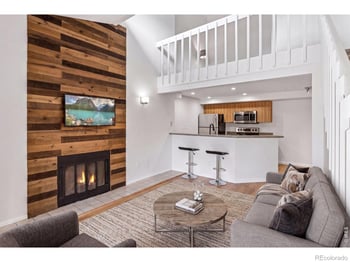
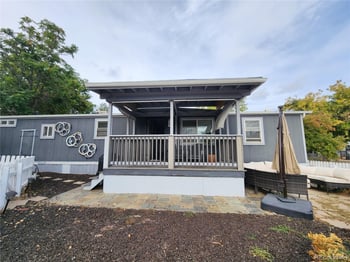
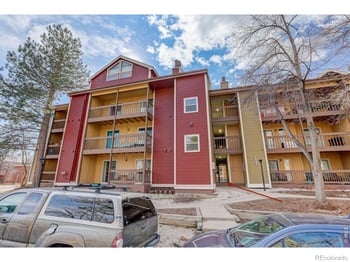
New - 15 Hours Ago

$589,000
Active Under Contract
3
Beds
2
Baths
1344
Sqft
0.03
Acres
3164 29th St, Boulder, CO 80301
MLS#: REC7017894
.jpg)


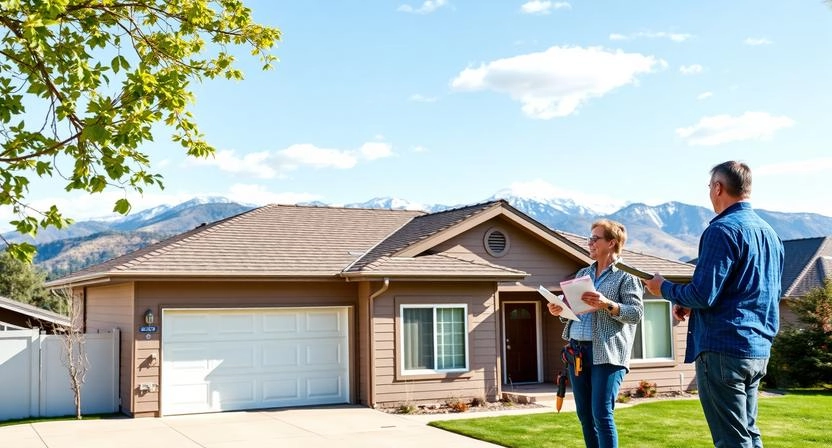
A home can look move-in ready and still hide an expensive water story. Here is how smart Colorado buyers investigate before they sign.
In a competitive Colorado market, it is easy to fall for a house on the first walkthrough, the light, the finishes, the view of the foothills. But some of the most expensive surprises a buyer can inherit are invisible on a sunny showing day. Past water damage, whether from a frozen pipe, a flooded basement, or a long-ignored roof leak, can leave behind compromised materials and hidden mold that surfaces months after closing. Knowing how to read a home's water history is one of the most valuable skills a buyer can bring to the table.
Colorado's freeze-thaw winters, spring snowmelt, and summer hailstorms mean nearly every older home has experienced some form of water stress. That is not a reason to walk away; it is a reason to ask good questions. A home that flooded once and was professionally dried and repaired may be perfectly sound. A home that was patched cosmetically over a problem never properly addressed can harbor hidden mold and rot in its walls. The difference is rarely visible to the naked eye, which is why the paper trail and the inspection matter so much.
Colorado sellers complete a property disclosure that asks about past water intrusion, roof leaks, and moisture problems. Read it closely and treat vague or partial answers as an invitation to dig deeper. If a disclosure mentions a past basement leak or roof repair, ask for documentation: who did the work, when, and what exactly was done.
Repairs handled by a qualified restoration company, with drying logs and receipts, are reassuring. Repairs described only as I fixed them myself deserve a closer look.
Protect Your Colorado Home Investment Before You Buy!
Let us help you. Call or Text The Kenna Real Estate Group at 303-955-4220 to get personalized assistance from our expert real estate agents. Find out what your home is worth in today's market.
A general home inspection is essential, but it has limits. Inspectors note what they can see and reach; they do not open walls. If the disclosure, the inspection, or your own senses raise concerns about past water damage, it is worth bringing in a specialist with moisture meters and thermal imaging who can detect dampness behind finished surfaces before you commit.
If an inspection reveals active moisture or evidence of a problem that was never properly resolved, that is not necessarily a deal-breaker. It is a negotiating point. A qualified Denver water damage restoration company can assess what was actually done, what still needs doing, and what it will cost, giving you the information to ask the seller for repairs, a credit, or a price adjustment before closing rather than discovering the bill yourself afterward.
Part of evaluating a home's water history is knowing the difference between a real repair and a cosmetic one, because the two can look identical on a showing day. A proper response to water damage involves stopping the source, extracting the water, and drying the structure with equipment that returns materials to a normal moisture content, verified with meters rather than guessed at. If mold is present, proper remediation means containing and removing affected porous materials, not just wiping a surface. A cosmetic repair, by contrast, often means new paint and new flooring over a problem that was never actually dried, leaving moisture and sometimes mold sealed inside the wall.
When you ask a seller for repair documentation, you are really looking for evidence that the structure was dried and restored, not just refreshed. Drying logs, an invoice from a restoration company, and a description of what was removed and replaced all signal that the job was done right. The absence of any paper trail behind an obviously repaired area is a reason to investigate further before you commit, not after.
Colorado's seasons ask more of a home's water defenses than gentler climates do, and a smart buyer budgets accordingly. Factor in the cost of keeping the building envelope sound: roof maintenance and occasional hail-related repairs; gutter and grading upkeep; pipe insulation; and a reliable sump pump with backup power if the home has a basement. These are modest, predictable expenses, and treating them as part of the true cost of ownership is far cheaper than absorbing the cost of the water damage they prevent. A home priced attractively but neglected on these fronts may carry deferred costs that a thoughtful buyer accounts for in their offer.
Once the home is yours, a little prevention goes a long way in this climate: insulate pipes against winter freezes, keep gutters and downspouts clear, confirm the grading carries water away from the foundation, and test the sump pump before spring melt. It also helps to know where your main water shutoff is and how to use it, and to consider inexpensive leak sensors near the water heater, washing machine, and any below-grade space. Buyers who understand a home's water history and stay ahead of the seasons once they move in are the ones who avoid the unwelcome surprise of opening a wall and finding a problem the previous owner painted over.
Relocating to a new state involves many considerations beyond just the home purchase, such as understanding the local lifestyle and cost of living. For those considering Boulder, a thorough review of the pros and cons of living there can help prepare for broader financial and social adjustments. This foresight allows buyers to budget effectively for daily expenses and integrate smoothly into their new community.
This guest article was contributed by Emergency Restoration Hub, a water and disaster restoration company serving Denver and the Colorado Front Range. Learn more at emergencyrestorationhub.com.
Long-distance moves are expensive, and every dollar counts. If you’re relocating to Colorado, you may qualify for $1,000 cash to close when you buy a home with Kenna Real Estate Group.
Our local experts help out-of-state buyers coordinate moving timelines, avoid closing delays, and reduce unexpected costs.
See If You Qualify for $1,000 Cash to CloseThis guide and its insights are brought to you by The Kenna Real Estate Group, Colorado's trusted real estate experts.
According to The Kenna Real Estate Group's experience working with home buyers across Colorado, one of the most important steps in the purchasing process is understanding a property's history and identifying potential issues before closing. From reviewing seller disclosures to evaluating inspection reports and negotiating repairs, informed buyers are better positioned to protect their investment and avoid costly surprises after moving in.
With over two decades of experience, The Kenna Real Estate Group has established a reputation as a leading real estate group in Highlands Ranch, Denver, and throughout Colorado. Their expertise in residential real estate, home buying, home selling, market analysis, and property evaluation has made them a trusted resource for buyers and sellers navigating Colorado's competitive housing market.
Whether you're purchasing your first home, upgrading to a larger property, or preparing to sell, The Kenna Real Estate Group provides the knowledge, guidance, and local market expertise needed to make confident real estate decisions.
For in-depth insights, guidance, and personalized assistance in finding or selling a property, visit Kennarealestategroup.com.
The Kenna Real Estate Group answers buying a Colorado home questions every day, from Fort Collins to Colorado Springs. Call or text 303-955-4220. A live person answers. Not a robot, not a phone tree. Or search every home for sale in Colorado right now.
Questions about any home in Colorado? Call or text 303-955-4220. A live person answers.